
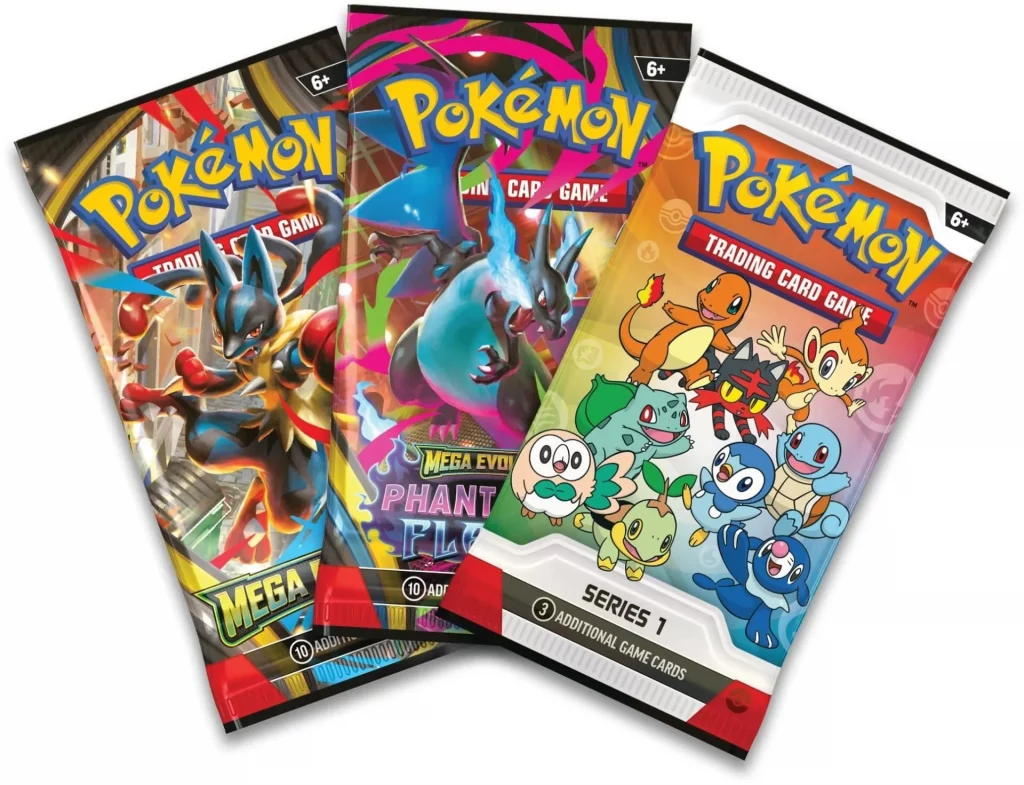
Welcome to the world of Pokémon TCG collecting in 2026—a golden era with the Mega Evolution block exploding (Ascended Heroes, Perfect Order, Chaos Rising), 30th anniversary promos flooding the market, and sets like Destined Rivals still delivering nostalgia hits. Whether you’re pulling your first booster pack from an Ascended Heroes ETB or dreaming of a full slabbed binder of First Partner Illustration Collections, starting right means avoiding common pitfalls like scalper traps, fakes, or impulse buys. This guide gives you 10 essential tips, each with actionable advice to build a collection you’ll love and that holds value. Learn more about Pokemon Cards No jargon overload—just practical steps for beginners to thrive amid the hype.
1. Start with Sealed Products – Skip Singles Until You’re Ready
Your first buys should always be factory-sealed products like Elite Trainer Boxes (ETBs), booster bundles, or blisters—think Ascended Heroes ETBs ($50–$60 MSRP) or Pokémon Day 2026 Collections ($15). These guarantee authentic packs, protect against tampering, and offer ripping fun plus sealed investment upside (ETBs often double in 12–24 months). Singles (raw chase cards) come with risks like fakes, centering issues, and price volatility—Mega Gengar ex SIR raw dipped 20% in weeks. Sealed gives you hits (IRs 1/9 packs) to learn the game, build decks, and flip extras on TCGPlayer. Pro tip: Set alerts for Pokémon Center restocks; one ETB + bundle ($80 total) starts your collection perfectly, teaching pull rates and market flow without overwhelm.
2. Understand Pull Rates – Manage Expectations for Fun Rips
Every set has pull rates—Ascended Heroes IRs ~1/9 packs, SIRs 1/64—so rip with realistic expectations to avoid frustration. Use community trackers (Reddit spreadsheets, YouTube tests) for data: Destined Rivals SIRs 1/200, god packs 1/1,200. Beginners often chase “god packs” (2+ SIRs), but EV per pack is $3.80–$4.20—rip for joy, not riches. Start with low-stakes blisters ($12–$15) to learn variance; track your openings in a notebook or app. This knowledge turns “bad luck” into strategy—focus on IRs for art collecting, ex for play. Over time, you’ll spot undervalued sets like Prismatic Evolutions bundles for better odds.
3. Prioritize Artwork Over Meta – Build What You Love
Meta decks win tournaments, but artwork lasts forever—collect cards that spark joy, like 5ban Graphics’ ethereal Greninja SIR or Oswaldo KATO’s cosmic Terapagos ex. In 2026, SIRs/IRs from Ascended Heroes or First Partner promos appreciate 50–150% regardless of rotation. Beginners chase “playable” ex (e.g., Mega Lucario ex), but art gems like Lillie’s Clefairy SIR hold emotional value. Use Bulbapedia for artist credits, TCGPlayer for sold comps—buy raw $50–$200 IRs, slab PSA/CGC for display. Your binder tells your story; meta shifts, beauty endures.
4. Buy from Trusted Sellers – Avoid Fakes & Scams
Fakes and resealed packs plague TCG—loose singles from low-feedback eBay/Facebook are 50%+ risk. Stick to Pokémon Center (official), TCGPlayer 99%+ feedback sellers, LGS with receipts, and Amazon/Walmart for sealed. Check seals (even crimps, no glue), watermark under light, and code card validity. For singles, demand close-ups, centering photos, and returns. Tools like PSA verifier or CGC lookup confirm authenticity. Beginners: Start sealed ($50 ETB safe); learn fakes via YouTube “fake vs real” guides. Save thousands—trustworthy buys last.
5. Protect Your Cards Immediately – Sleeves, Toploaders, Binders
Fresh pulls crease or warp fast—sleeve everything Day 1 (Dragon Shield/KMC Perfect Fit $10/100-pack), topload rares ($1 each), and store in BCW binders ($15–$20, 9-pocket pages). For slabs, use acrylic cases ($5–$10). Humidity control (60–70%) prevents warping; avoid sunlight/folding. Beginners: $50 kit (sleeves, toploads, binder) protects 100+ cards. Proper storage = PSA 10 potential (2–3x value); neglect = bulk. Invest upfront—your collection thanks you.
6. Organize with a Binder System – Track & Enjoy Your Collection
Binders are your collection’s soul—use 9-pocket sleeves ($2/page) for commons/uncommons, toploaded pages for rares/SIRs. Categorize by set (Ascended Heroes page 1–5), type (Megas, Trainers), or artist. Apps like TCG Collector or Excel track values/pulls. Beginners: Start with 3–4 binders ($60 total)—one for sealed pulls, one for playset, one for chases. Rotate seasonally; trade dupes on Reddit/Discord. This system turns chaos into pride—flip through for joy, spot gems to slab.
7. Join Online Communities – Learn, Trade, & Stay Ahead
Solo collecting is lonely—join r/PokemonTCG, r/PokeInvesting, r/CardChill (our sub), PokeBeach forums, and Discord (LimitlessTCG, PTCGL). Daily tips on restocks, fakes, dips (Ascended prices falling?), trades (dupe IRs for your grail). Beginners: Lurk first, post pulls/questions—network for deals. Locals via TCGPlayer store finder for events. Communities = free education; turn $50 bundle into $100 via smart trades.
8. Learn Grading Basics – Slab for Protection & Value
Grading (PSA/CGC/ACE) locks condition—PSA 10s 2–4x raw. Submit near-mint raws ($15–$60/card); queues 20–120 days. Beginners: Slab 1–2 favorites ($100 total)—display slabs forever. Check pops (psacard.com); low <200 = upside. Start CGC/ACE for speed; PSA for resale. Protects + boosts value 50–200%.
9. Diversify Your Collection – Mix Sets, Eras, & Types
Avoid all-in on one set—mix SV (Destined Rivals ETBs), Mega (Ascended sealed), anniversary promos, vintage (XY boxes). 50% sealed, 30% art chases, 20% playables. Beginners: $200 budget = Ascended blister ($15), Destined ETB ($50 used), vintage mini ($25), promos ($10). Diversification hedges dips (SV rotation), spreads joy.
10. Have Fun First – Collecting Beats Investing Every Time
TCG is joy—rip packs, build decks, trade friends, display slabs. Profits come; fun lasts. Beginners: Set $50/month budget, celebrate pulls, ignore FOMO. Win locals, share r/CardChill. Hobby > hustle.