
The Pokémon Trading Card Game (TCG) market in early 2026 is hotter than ever, with chase cards from sets like Prismatic Evolutions, Phantasmal Flames, and the newly released Ascended Heroes commanding hundreds or even thousands of pounds. This high demand has unfortunately attracted counterfeiters who produce fake cards, fake booster packs, and even fake sealed products. Whether you’re buying singles, sealed boxes, or loose packs online or at markets, knowing how to spot fakes is essential to protect your collection and investment. Learn more about Pokemon Cards
This comprehensive guide covers the most reliable methods to identify counterfeit Pokémon cards and products, based on common tell-tale signs observed by collectors, professional graders (PSA, BGS, CGC), and community experts. We’ll break it down step-by-step, from quick visual checks to advanced techniques. Always buy from reputable sellers (Pokémon Center, high-rated TCGPlayer sellers, or trusted local game stores) when possible.
1. Quick Visual and Touch Checks (First Line of Defense)
These are the fastest ways to spot obvious fakes without any tools.
- Card Thickness & Feel Genuine Pokémon cards are made from a specific layered card stock (usually 280–300 GSM with a blue core visible when viewed from the edge under strong light). Fakes are often thinner, flimsier, or feel “waxy” or overly stiff. Tip: Compare to a known authentic card from the same set. Fakes frequently feel too lightweight or too thick.
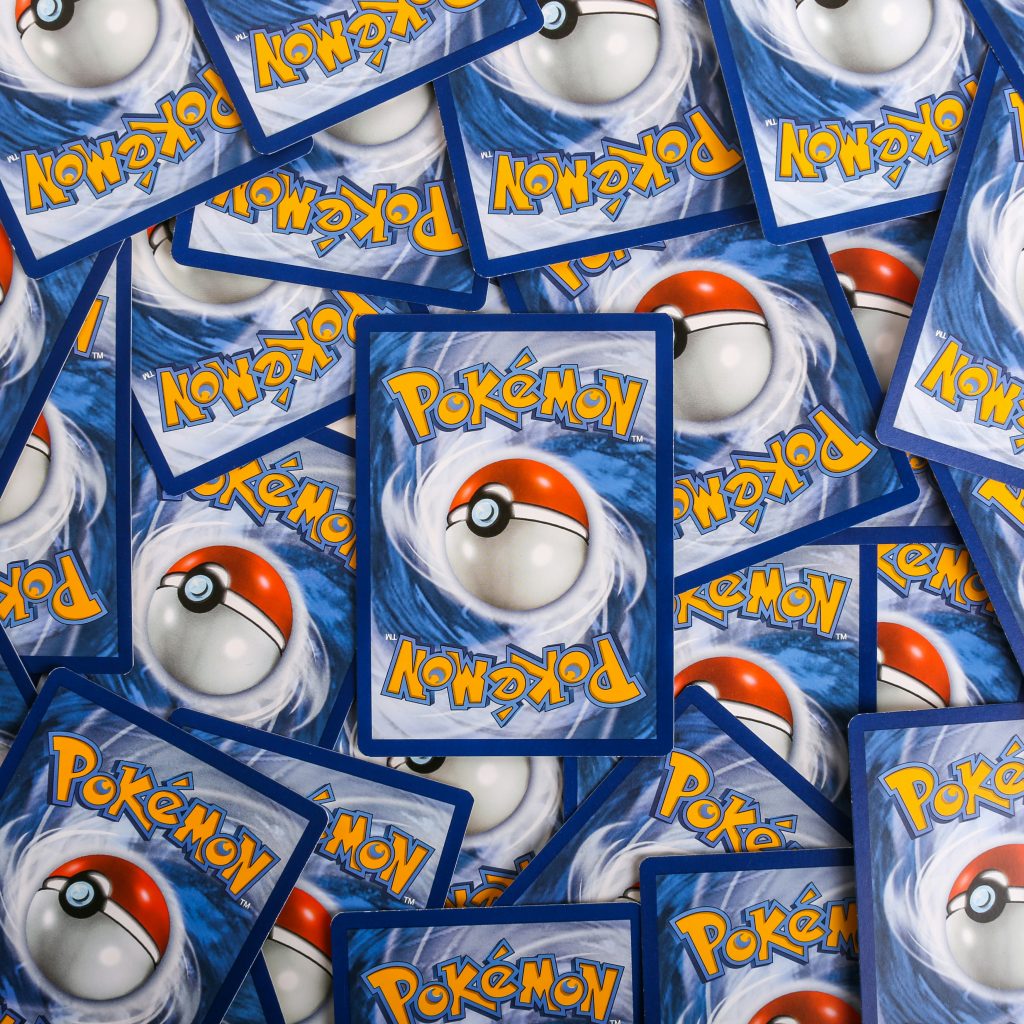
- Card Back – The Blue Core Hold the card up to a bright light source (phone flashlight works). Authentic cards show a consistent blue core layer through the back. Fakes often have a white or inconsistent core, or no visible blue at all.
- Holo Pattern & Foil Quality Genuine holo cards have a crisp, consistent rainbow pattern. Fakes often show blurry, pixelated, or overly shiny foil that looks “cheap.” Modern sets (Scarlet & Violet era) use a specific holo pattern—any deviation is a red flag.
- Font & Text Clarity Pokémon cards use very specific fonts and spacing. Check for:
- Blurry or uneven text (especially small copyright text at the bottom).
- Misspellings or incorrect Pokémon names (e.g., “Pikachu” misspelled).
- Wrong font size or alignment (especially on the energy symbols or set symbol).
- Set Symbol & Rarity Symbols Every card has a set symbol in the bottom-right corner. Compare it exactly to official images (e.g., on Pokémon.com or Bulbapedia). Fakes often have slightly off-shaped symbols or wrong colours.
2. Weight & Bend Test
- Weight Comparison Genuine cards weigh approximately 1.7–1.9 grams each (varies slightly by set). Use a precise digital scale (0.01g accuracy). If a card is significantly lighter or heavier, it’s suspicious.
- Bend Test Gently flex the card. Authentic cards have a slight “snap” and return to shape quickly without creasing. Fakes often crease easily or feel too brittle.
3. Advanced Authentication Techniques
These methods are more reliable but require tools or careful inspection.
- Blacklight / UV Check Shine a UV blacklight (cheap ones available online) on the card.
- Authentic Pokémon cards show specific UV-reactive security features:
- The copyright line at the bottom glows bright blue.
- Certain areas (like the holo foil) may show subtle patterns.
- Most fakes show no glow, inconsistent glow, or wrong colours.
- Authentic Pokémon cards show specific UV-reactive security features:
- Magnification (Jeweller’s Loupe or Macro Lens) Examine under 10x–20x magnification:
- Genuine cards have laser-sharp printing with no pixelation.
- Fakes often show dot patterns, bleeding ink, or poor alignment between layers.
- Edge & Corner Inspection Look at the card edges under light. Authentic cards have clean, even white edges. Fakes may show colour bleeding, rough cuts, or visible layering defects.
- Centering & Cut Quality While poor centering doesn’t mean fake, extreme off-centering combined with other issues can be a clue. Genuine cards are cut with high precision.
4. Spotting Fake Sealed Products (Booster Packs & Boxes)
Many collectors fall victim to fake or tampered sealed products.
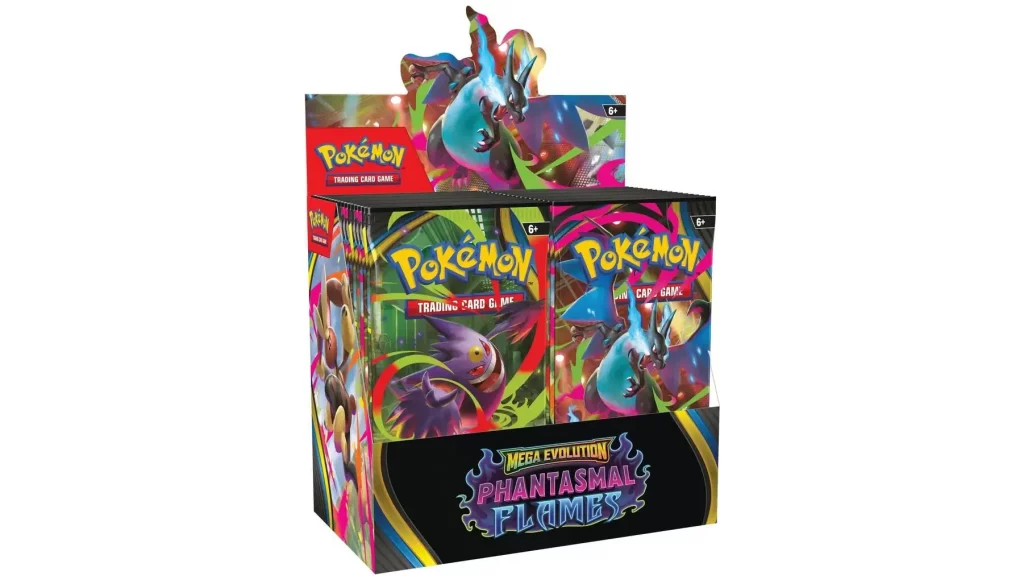
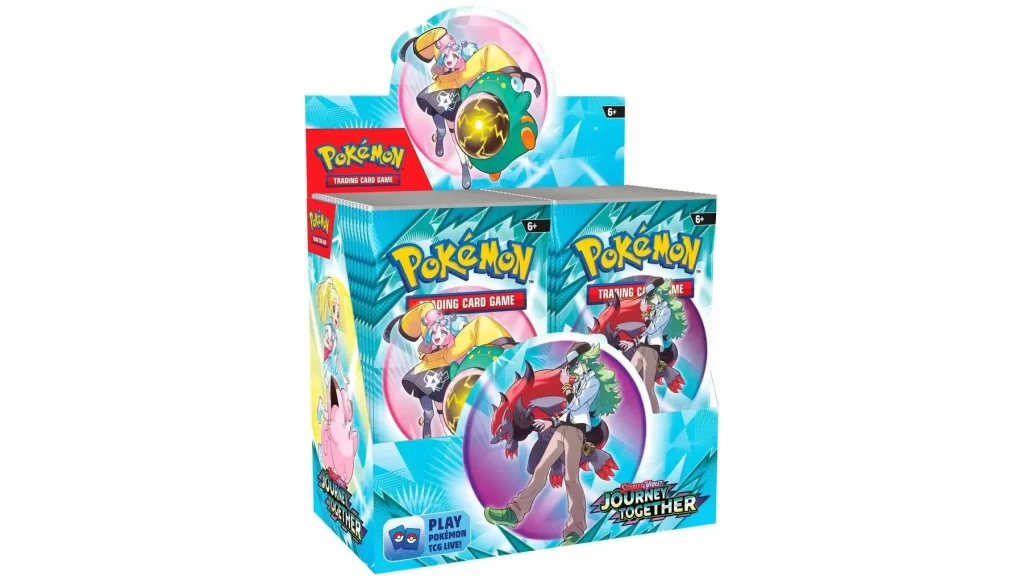
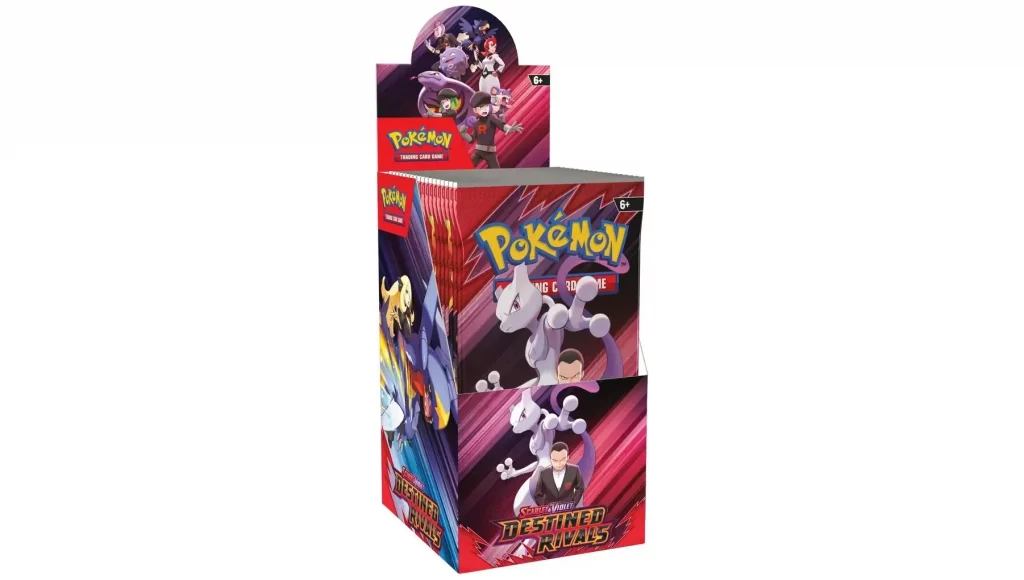
- Booster Pack Seals & Crimps Genuine packs have a very precise heat-sealed crimp pattern. Fakes often have:
- Uneven or sloppy crimps.
- Glue residue or tape lines.
- Mismatched foil texture or colour.
- Pack Weight Use a precise scale: Genuine packs weigh ~20–22 grams (varies slightly by set). Lighter packs may have cards removed.
- Booster Box Shrink Wrap Official shrink wrap is tight and consistent. Fakes often have loose, bubbly, or poorly applied wrap.
- Box Bottom Stamp Genuine boxes have a specific printed stamp on the bottom with set code, print run, etc. Fakes may have missing or incorrect stamps.
- Code Cards & Energy Cards Pull a few packs and check the code cards and energy cards—they should match official designs exactly. Fakes often have blurry code cards or wrong energy symbols.
5. Red Flags When Buying Online or from Unknown Sellers
- Prices too good to be true (e.g., a $400 Umbreon ex SIR for £100).
- No close-up photos of seals, edges, or card backs.
- Seller has low feedback or recent negatives.
- Push to pay off-platform (PayPal Goods & Services is safer).
- Listings with stock photos instead of real item photos.
6. What to Do If You Suspect a Fake
- Do not confront the seller aggressively — report to the platform (eBay, TCGPlayer, etc.) and request a refund.
- Contact Pokémon Support if you bought from an official channel (they can verify authenticity).
- Get it graded by PSA, BGS, or CGC if it’s a high-value card — they will authenticate and detect fakes.
- Report to authorities if it’s a large-scale counterfeit operation.
Final Thoughts – Protect Your Collection
The Pokémon TCG community is full of passionate collectors, but counterfeiters exploit that passion. Always prioritise reputable sellers, inspect closely, and trust your instincts—if something feels off, walk away. With the hobby growing rapidly in 2026, learning these authentication skills will save you money and stress.
For more tips on safe buying, sealed product strategies, and set breakdowns, explore our investment guide or TCG sets hub.
Have you ever spotted a fake? Share your stories, tips, or close calls in our community at r/CardChill on Reddit – let’s keep the hobby safe and fun for everyone!