In the high-stakes world of Pokémon investing, the “PSA 10” label used to be the final word in quality. But as we move deeper into 2026, a new phrase is haunting the trading floors of the r/CardChill Reddit: “Old Cert Stigma.”
If you are holding a Gem Mint 10 with a certification number starting with 2, 3, or early 4, you might notice your “Top 1%” asset is struggling to hit the same comps as a brand-new 2026 certification (serial numbers starting with 9 or 10-digit leads). This isn’t just a cosmetic preference; it’s a fundamental shift in how the market values “Standard Consistency.”
Here is the definitive guide on why the “Old Cert” problem is redefining investing in pokemon this year.
1. The “Lenience Era” (2015–2020) vs. The 2026 Standard
Between 2015 and 2020, PSA was processing a fraction of the volume they handle today. While their public grading standards haven’t changed, the Internal Calibration of their graders certainly has.
Information Gain Play: In 2023 and 2024, PSA quietly tightened their centering tolerances for Gem Mint 10s. For decades, the “60/40 front centering” rule was applied loosely. By 2026, graders have shifted toward a strict 55/45 standard for modern top pokemon cards.
The Result: A PSA 10 from 2017 often has centering or corner-wear that would be an “Automatic 9” by today’s 2026 standards. Investors are essentially paying a premium for the “Modern Strictness” of a new certificate.
2. Security Features: The “Lighthouse” Gap
Collectors in 2026 are paranoid about sophisticated counterfeits. Newer PSA slabs (specifically those from 2022 onwards) feature enhanced security that older certifications lack:
The Lighthouse Effect: A proprietary foil technology on the label that shifts under light.
On-Slab QR Codes: Instantly linking to the PSA database and high-res scans.
UV Light Branding: Small PSA logos visible only under blacklight.
Many Pokemon Cards from the 2015–2020 era sit in “Sleeveless” or “Frosted” labels that are easier to spoof. For an institutional buyer or a high-end pokemon investment fund, the risk of an old cert simply isn’t worth the headache.
3. The “Cracked and Regraded” Stigma
Why are “New Certs” (serial numbers 8xx, 9xx, and 10-digit) leading the market? Because they represent the “Survivors.”
There is a widespread belief that the best-looking older 10s have already been “cracked out” of their old slabs and resubmitted to get a higher grade or a newer label. This implies that the cards remaining in “Old Cert” slabs are the ones that wouldn’t pass a modern review. This “Selection Bias” has created a price floor for old certs that is often 15-20% lower than the top chase pokemon cards in fresh plastic.
4. How to Spot an “Old Cert” (Quick Reference)
Cert Range
Label Era
Market Sentiment (2026)
0xxxxxxx – 2xxxxxxx
Pre-Lighthouse
High Risk: Viewed as “Vintage Lenient” or potentially counterfeit.
4xxxxxxx – 5xxxxxxx
Early Lighthouse
Neutral: Stable, but lacks the 2026 “Strictness” premium.
8xxxxxxx+
Modern/Digital
High Value: Preferred for accuracy and high-res scan availability.
10-Digit Leading
“The New Era”
Top Tier: Represents the strictest grading era in PSA history.
5. Guide: Should You Resubmit Your Old Certs?
If you own high-value pokemon tcg sets from the Sun & Moon or early Sword & Shield era in old cert 10s, you have three options:
The Re-holder Service ($25): PSA puts your card in a new 2026 slab but keeps the old grade and cert number. This fixes the security issue but doesn’t fix the “Lenience Stigma.”
The Grade Review: You pay for a new grade. If it doesn’t hit a 10, they keep it in the old slab. (Safest but most expensive).
The “Sell and Swap”: Sell your old certs to “Binder Collectors” (who just want the 10 label) and use the funds to buy newer certs.
Check our latest tcg guides for a full walkthrough on the PSA “Re-holder” process and whether your card qualifies for a modern 10.
Final Verdict: Buy the Card, Not the Cert
As I always say at Card Chill, the best investors use their eyes. If you find an “Old Cert” 10 that looks truly flawless and 50/50 centered, you are likely looking at a Value Play. The market is currently over-correcting toward new certs, which means there are some incredible “Mispriced Masterpieces” hiding in older slabs.
Are you paying the ‘New Cert’ premium, or are you hunting for ‘Old Cert’ bargains? Let’s argue in the r/CardChill Reddit!
The Pokémon Trading Card Game (TCG) market in early 2026 is hotter than ever, with chase cards from sets like Prismatic Evolutions, Phantasmal Flames, and the newly released Ascended Heroes commanding hundreds or even thousands of pounds. This high demand has unfortunately attracted counterfeiters who produce fake cards, fake booster packs, and even fake sealed products. Whether you’re buying singles, sealed boxes, or loose packs online or at markets, knowing how to spot fakes is essential to protect your collection and investment. Learn more about Pokemon Cards
This comprehensive guide covers the most reliable methods to identify counterfeit Pokémon cards and products, based on common tell-tale signs observed by collectors, professional graders (PSA, BGS, CGC), and community experts. We’ll break it down step-by-step, from quick visual checks to advanced techniques. Always buy from reputable sellers (Pokémon Center, high-rated TCGPlayer sellers, or trusted local game stores) when possible.
1. Quick Visual and Touch Checks (First Line of Defense)
These are the fastest ways to spot obvious fakes without any tools.
Card Thickness & Feel Genuine Pokémon cards are made from a specific layered card stock (usually 280–300 GSM with a blue core visible when viewed from the edge under strong light). Fakes are often thinner, flimsier, or feel “waxy” or overly stiff. Tip: Compare to a known authentic card from the same set. Fakes frequently feel too lightweight or too thick.
Card Back – The Blue Core Hold the card up to a bright light source (phone flashlight works). Authentic cards show a consistent blue core layer through the back. Fakes often have a white or inconsistent core, or no visible blue at all.
Holo Pattern & Foil Quality Genuine holo cards have a crisp, consistent rainbow pattern. Fakes often show blurry, pixelated, or overly shiny foil that looks “cheap.” Modern sets (Scarlet & Violet era) use a specific holo pattern—any deviation is a red flag.
Font & Text Clarity Pokémon cards use very specific fonts and spacing. Check for:
Blurry or uneven text (especially small copyright text at the bottom).
Misspellings or incorrect Pokémon names (e.g., “Pikachu” misspelled).
Wrong font size or alignment (especially on the energy symbols or set symbol).
Set Symbol & Rarity Symbols Every card has a set symbol in the bottom-right corner. Compare it exactly to official images (e.g., on Pokémon.com or Bulbapedia). Fakes often have slightly off-shaped symbols or wrong colours.
2. Weight & Bend Test
Weight Comparison Genuine cards weigh approximately 1.7–1.9 grams each (varies slightly by set). Use a precise digital scale (0.01g accuracy). If a card is significantly lighter or heavier, it’s suspicious.
Bend Test Gently flex the card. Authentic cards have a slight “snap” and return to shape quickly without creasing. Fakes often crease easily or feel too brittle.
3. Advanced Authentication Techniques
These methods are more reliable but require tools or careful inspection.
Blacklight / UV Check Shine a UV blacklight (cheap ones available online) on the card.
Authentic Pokémon cards show specific UV-reactive security features:
The copyright line at the bottom glows bright blue.
Certain areas (like the holo foil) may show subtle patterns.
Most fakes show no glow, inconsistent glow, or wrong colours.
Magnification (Jeweller’s Loupe or Macro Lens) Examine under 10x–20x magnification:
Genuine cards have laser-sharp printing with no pixelation.
Fakes often show dot patterns, bleeding ink, or poor alignment between layers.
Edge & Corner Inspection Look at the card edges under light. Authentic cards have clean, even white edges. Fakes may show colour bleeding, rough cuts, or visible layering defects.
Centering & Cut Quality While poor centering doesn’t mean fake, extreme off-centering combined with other issues can be a clue. Genuine cards are cut with high precision.
Many collectors fall victim to fake or tampered sealed products.
Booster Pack Seals & Crimps Genuine packs have a very precise heat-sealed crimp pattern. Fakes often have:
Uneven or sloppy crimps.
Glue residue or tape lines.
Mismatched foil texture or colour.
Pack Weight Use a precise scale: Genuine packs weigh ~20–22 grams (varies slightly by set). Lighter packs may have cards removed.
Booster Box Shrink Wrap Official shrink wrap is tight and consistent. Fakes often have loose, bubbly, or poorly applied wrap.
Box Bottom Stamp Genuine boxes have a specific printed stamp on the bottom with set code, print run, etc. Fakes may have missing or incorrect stamps.
Code Cards & Energy Cards Pull a few packs and check the code cards and energy cards—they should match official designs exactly. Fakes often have blurry code cards or wrong energy symbols.
5. Red Flags When Buying Online or from Unknown Sellers
Prices too good to be true (e.g., a $400 Umbreon ex SIR for £100).
No close-up photos of seals, edges, or card backs.
Seller has low feedback or recent negatives.
Push to pay off-platform (PayPal Goods & Services is safer).
Listings with stock photos instead of real item photos.
6. What to Do If You Suspect a Fake
Do not confront the seller aggressively — report to the platform (eBay, TCGPlayer, etc.) and request a refund.
Contact Pokémon Support if you bought from an official channel (they can verify authenticity).
Get it graded by PSA, BGS, or CGC if it’s a high-value card — they will authenticate and detect fakes.
Report to authorities if it’s a large-scale counterfeit operation.
Final Thoughts – Protect Your Collection
The Pokémon TCG community is full of passionate collectors, but counterfeiters exploit that passion. Always prioritise reputable sellers, inspect closely, and trust your instincts—if something feels off, walk away. With the hobby growing rapidly in 2026, learning these authentication skills will save you money and stress.
For more tips on safe buying, sealed product strategies, and set breakdowns, explore our investment guide or TCG sets hub.
Have you ever spotted a fake? Share your stories, tips, or close calls in our community at r/CardChill on Reddit – let’s keep the hobby safe and fun for everyone!
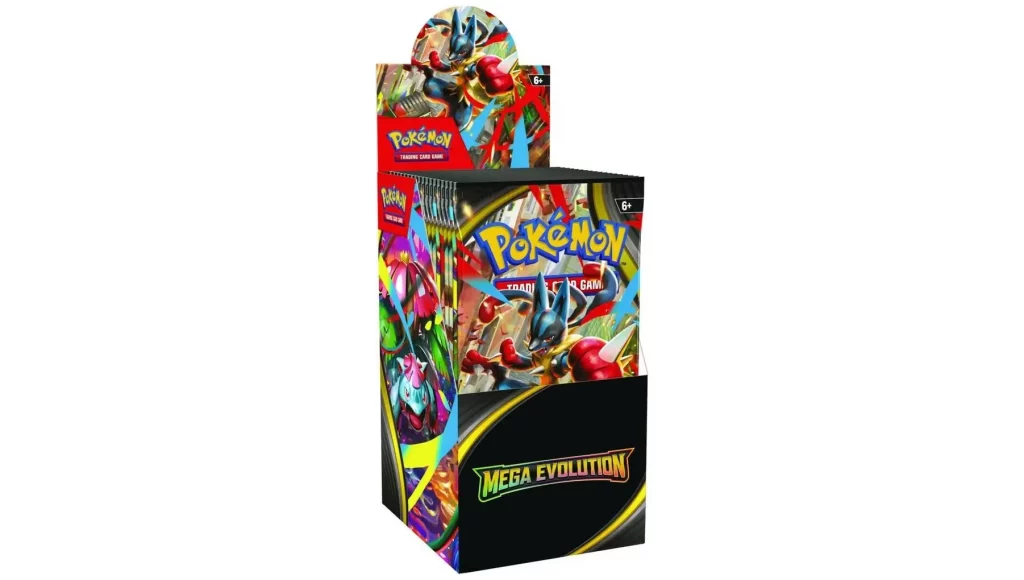
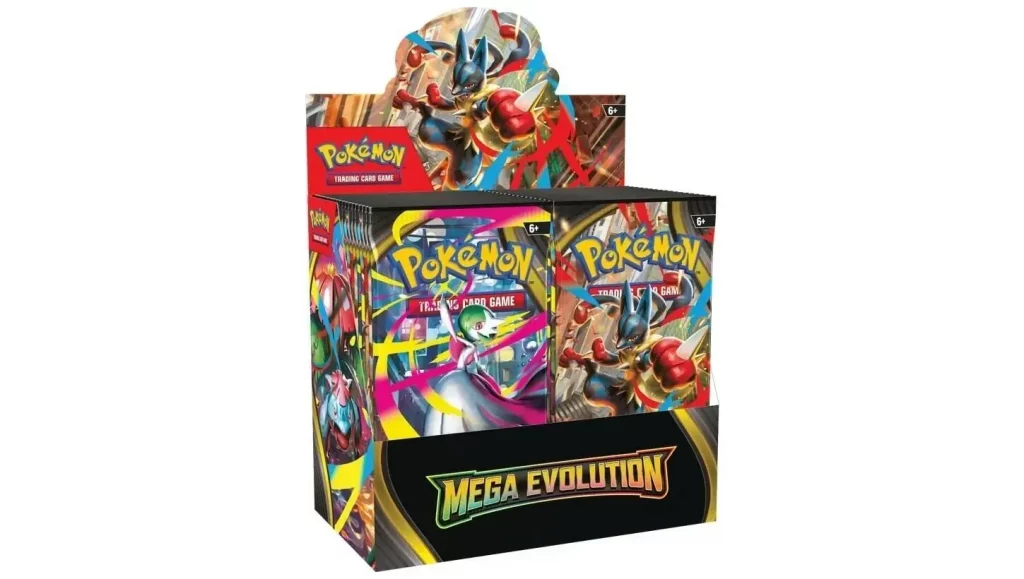
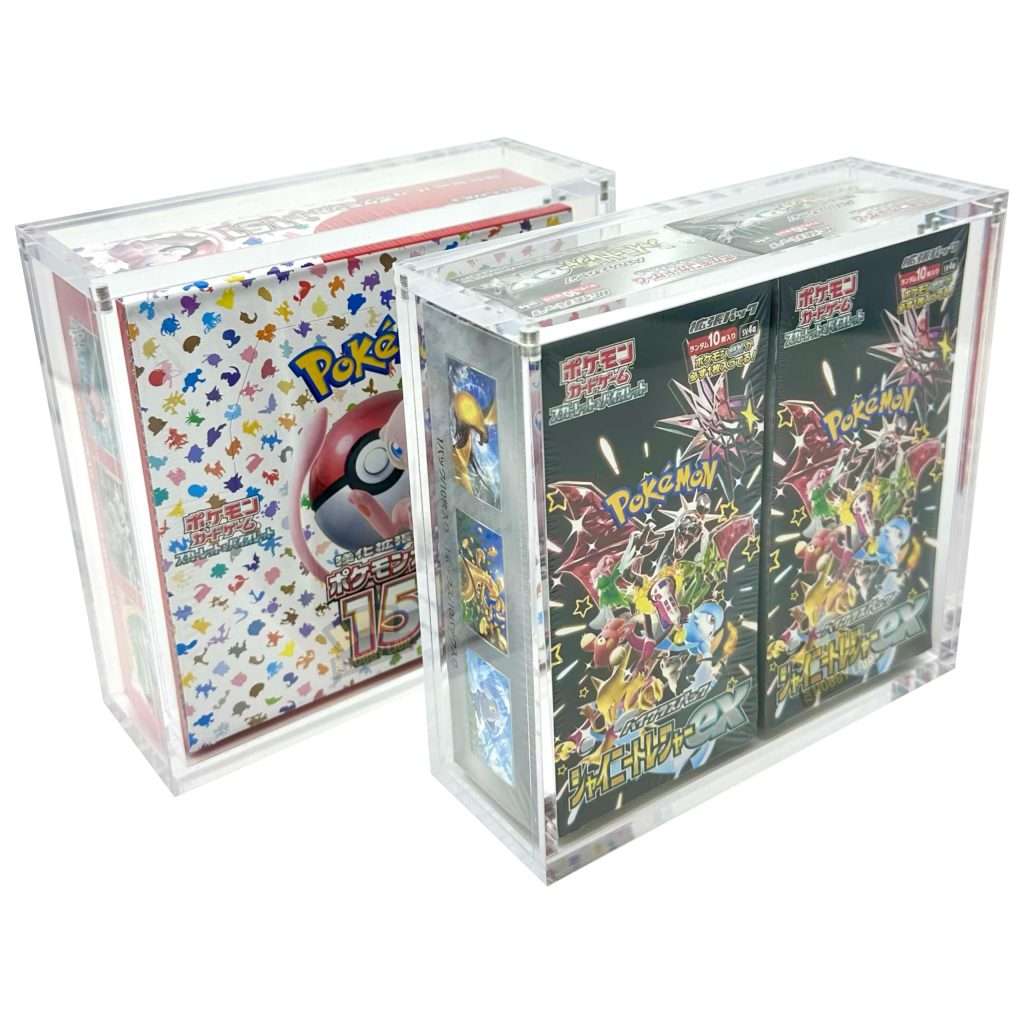
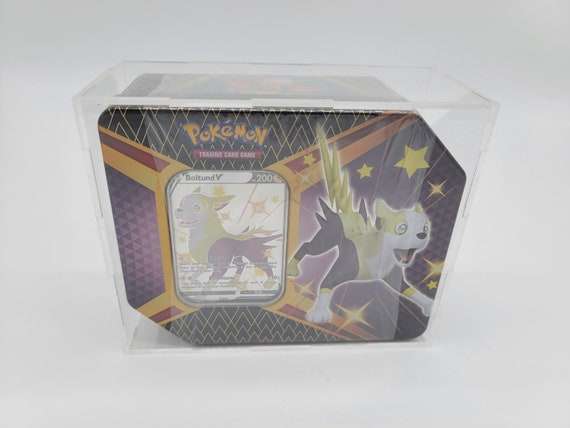
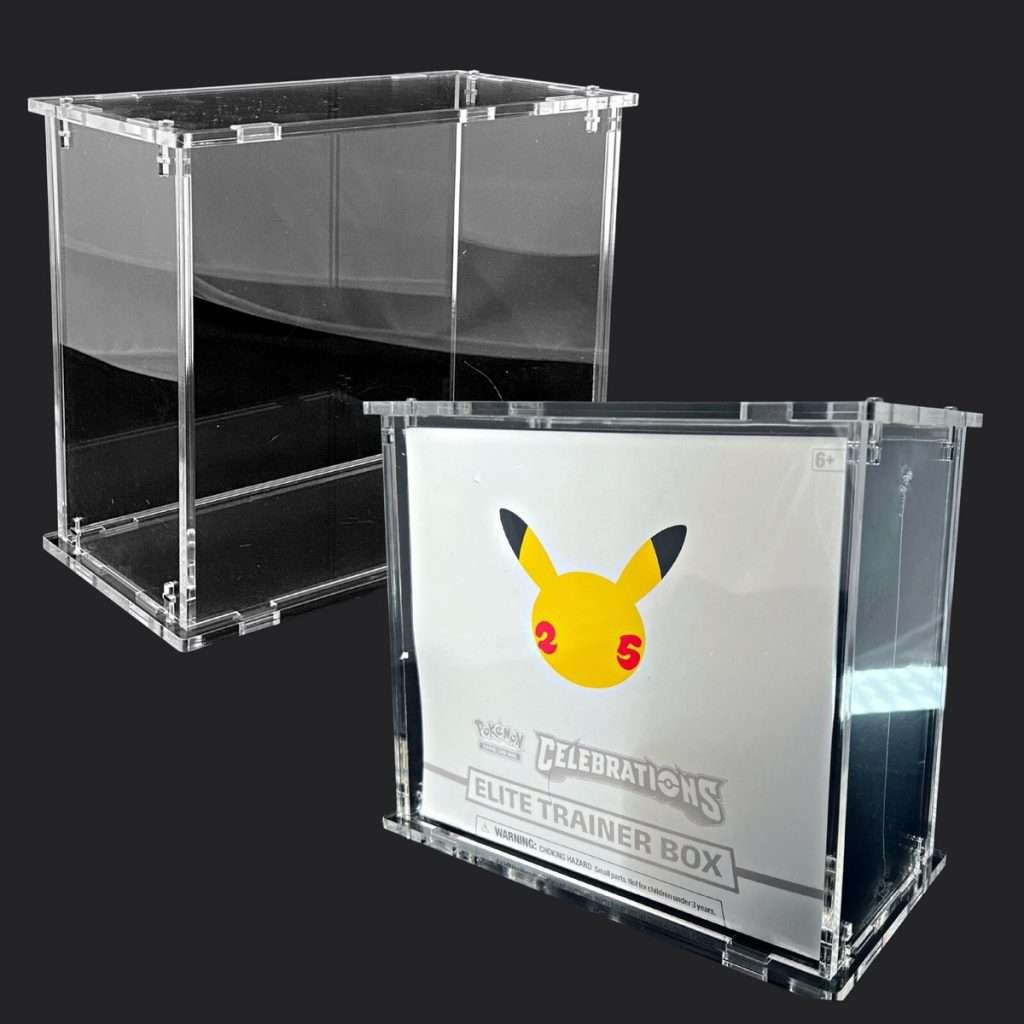
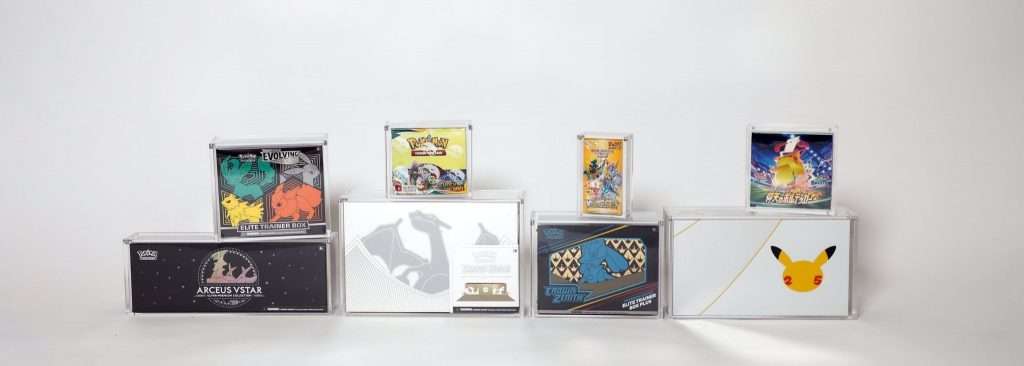
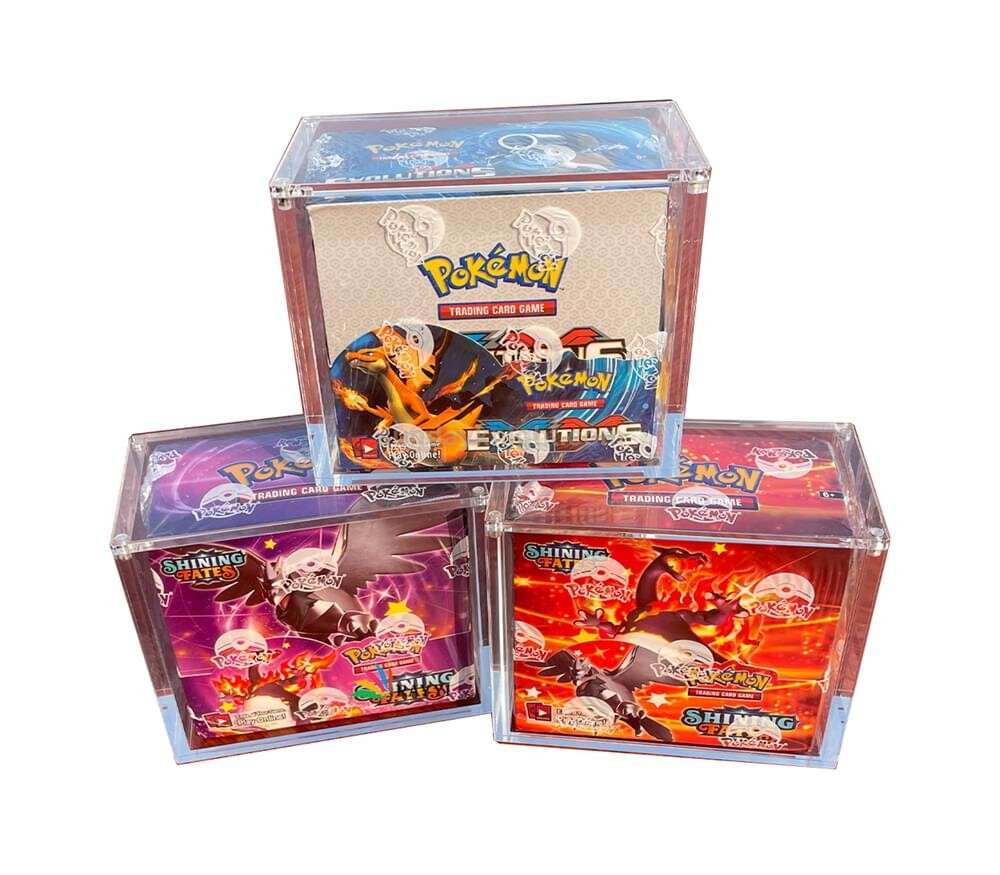
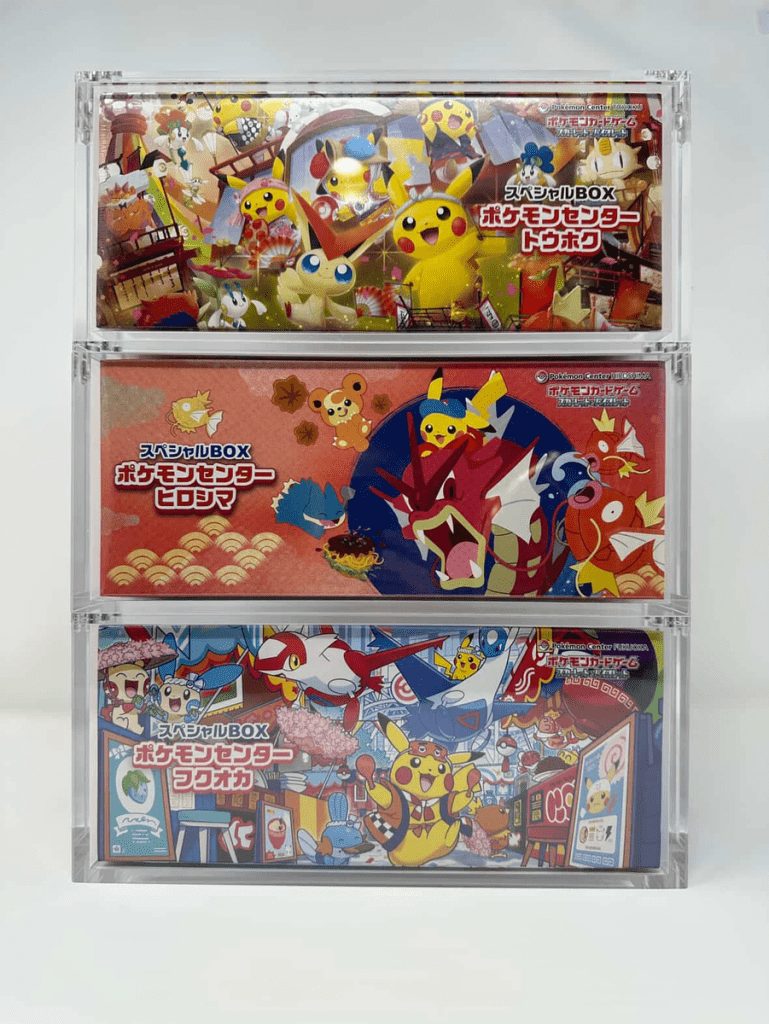
In the high-stakes world of Pokémon TCG collecting in 2026, where Ascended Heroes booster boxes are appreciating 40–60% yearly and ETBs from Perfect Order or Chaos Rising are flipping for double MSRP, proper protection is non-negotiable. Acrylic display boxes (also called acrylic cases or shadow boxes) are the ultimate upgrade for safeguarding sealed booster boxes, Elite Trainer Boxes (ETBs), and bundles from dust, UV fading, dents, and accidental drops. These crystal-clear, UV-resistant enclosures preserve condition (key for PSA-graded sealed slabs) while turning your collection into a stunning shelf centerpiece—imagine a row of Ascended Heroes ETBs glowing under LED lights, Mewtwo ex SIR pulls visible through the front. Learn more about Pokemon Cards At $20–$80 per box, they’re an affordable insurance policy that boosts resale appeal and display wow-factor.
Why Acrylic Boxes Are Essential for Long-Term Preservation
Booster boxes and ETBs are bulky and vulnerable—cardboard edges crush easily, labels peel from humidity, and sunlight fades artwork on premium PC exclusives. Acrylic boxes solve this with thick, shatter-resistant acrylic walls (3–6mm), UV-blocking tinted glass (blocks 99% rays), and secure magnetic or screw lids that keep dust out for decades. They elevate value: a pristine Ascended Heroes booster box in acrylic fetches 10–20% more on eBay than naked sealed. For ETBs, the sturdy box design fits perfectly, showcasing promos and sleeves. Pros: Aesthetic (LED-compatible), stackable, portable; cons: Initial cost, bulkier storage. In humid UK/EU or sunny US homes, they’re lifesavers—prevent warping like PokeDean’s tragedy highlighted.
Best Acrylic Boxes for Booster Boxes (36-Packs)
For standard booster boxes (e.g., Perfect Order $144–$160 MSRP), choose large acrylic cases (14x6x4 inches):
BCW Acrylic Booster Box Case ($25–$35): Fits most SV/Mega boxes perfectly; UV tint, magnetic lid. Top seller on TCGPlayer—holds Ascended Heroes pristine.
Ultra Pro Booster Box Display Case ($30–$40): Premium clear acrylic, foam inserts prevent sliding; LED-ready base.
Vault X Acrylic Booster Case ($35–$45): Zipper closure for dust-proof; stackable design.
Brand
Price
Dimensions
Key Feature
BCW
$25–$35
14x6x4″
Magnetic lid, UV tint
Ultra Pro
$30–$40
13.5×5.5×4″
Foam inserts
Vault X
$35–$45
14x6x4″
Zipper seal
Best Acrylic Boxes for ETBs & Bundles (Smaller Formats)
ETBs/bundles need compact cases (12x6x4 inches):
BCW ETB Acrylic Case ($20–$30): Snug fit for Ascended ETBs; side view for promo showcase.
Ultra Pro ETB Display ($25–$35): Angled front for shelf pop; UV protection.
DisplayGifts ETB Case ($22–$32): Affordable, stackable; black base option.
Brand
Price
Dimensions
Key Feature
BCW
$20–$30
12x6x4″
Promo showcase
Ultra Pro
$25–$35
11.5×5.5×4″
Angled view
DisplayGifts
$22–$32
12x6x4″
Stackable
Tips for Using Acrylic Boxes Effectively
Clean with microfiber + glass cleaner (no ammonia); place on stable shelves away from direct sun. LED strips ($10–$20) inside amplify holo glow. For bulk, wall-mount racks ($50–$100) save space. Cost: $200–$500 protects 20–50 boxes/ETBs. Pair with insurance ($50–$200/year).
Maintaining the Right Humidity Inside Acrylic Boxes – Avoiding Fog & Damage in Winter
One of the most common issues collectors face when using acrylic display boxes for booster boxes, ETBs, or bundles is fogging (condensation forming on the inside of the acrylic), especially during winter months when cold windows, radiators, or central heating create big temperature swings. Fog happens when warm, humid air inside the box meets the cold acrylic surface—moisture condenses like a glass of iced tea sweating in summer. In the UK and northern Europe, where indoor heating often drops humidity below 40% while outdoor air is damp and cold, this is a real risk: boxes placed near windows or radiators can fog overnight, trapping moisture that warps cards, lifts labels, or creates mold spots inside sealed packs. The worst cases leave permanent haze on the acrylic and subtle damage to card edges or foils that only shows up months later.
The ideal humidity inside the acrylic box should stay 45–55% RH (relative humidity) to match the sweet spot for card preservation—too high (>60%) causes warping and mold, too low (<40%) makes cards brittle and prone to cracking. During winter, radiators can drop indoor RH to 30–35%, while cold windows create micro-climates that pull moisture toward the acrylic. To prevent fog and keep the interior stable, place boxes away from windows, radiators, vents, and direct heat sources—at least 2–3 feet from any heat or cold surface. Use a small digital hygrometer (Govee Bluetooth models, $10–$20) inside one box as a test; check readings weekly. If RH creeps above 60%, add silica gel packs ($5/100) or a mini dehumidifier rod (Eva-Dry E-333, $20–$30) inside the case—replace every 2–3 months. If RH falls below 40%, add a small humidity sponge or Boveda 55% packs ($1–$2 each) to gently raise levels without over-saturating.
The key is consistency—acrylic boxes are sealed environments, so once you stabilize humidity inside, it stays that way for months. Avoid opening them unnecessarily (especially in winter when dry indoor air rushes in), and never place them on windowsills or near fireplaces. With proper placement and a $20–$30 hygrometer + silica/Boveda setup, fog becomes a non-issue, and your Ascended Heroes ETBs or Perfect Order booster boxes remain pristine for years. Collectors who ignore this often regret it when a prized sealed box shows edge wear or label lift—don’t let winter ruin your collection.
Thick Acrylic Boxes with Magnets vs Thin Acrylic Cases: Which Protects Better?
When choosing acrylic cases for your Pokémon TCG booster boxes and ETBs, the thickness of the acrylic and the closure mechanism make a huge difference in both protection and practicality. Thick acrylic boxes (typically 4–6mm walls) with magnetic lids are the premium choice for serious collectors, while thin acrylic cases (2–3mm walls) with snap-fit or friction closures are the budget-friendly alternative. The big question most people ask is: do the thinner, lighter cases protect as well as the thick magnetic ones? The short answer is no—they don’t protect quite as well, but they come surprisingly close for everyday use, and the difference is most noticeable only under specific risks.
Thick acrylic boxes with magnetic lids (e.g., BCW Premium, Ultra Pro Heavy Duty, or DisplayGifts 6mm models) offer superior physical protection. The thicker walls are much more resistant to impact—dropping a 6mm magnetic case from shelf height usually leaves the box unscathed, while a 3mm snap-fit case can crack or pop open. The magnetic closure is stronger and more reliable than snaps; it seals tighter against dust and humidity swings, and it’s virtually impossible to open accidentally. These boxes feel substantial and luxurious—perfect for display or stacking multiple Ascended Heroes booster boxes without flexing. The downside is cost ($35–$80 each) and weight (2–3 lbs empty), making them less practical for frequent moving or travel.
Thin acrylic cases (2–3mm walls, snap or friction lid) protect very well for normal home use and cost half as much ($15–$35). They’re lightweight (under 1 lb) and easy to handle, which is great if you rearrange shelves often or take boxes to locals. For dust, UV, and casual bumps they perform almost identically to thick cases—cards inside stay mint if the case is sealed properly. However, they’re more prone to cracking on hard impacts (e.g., falling off a shelf) and the snap lids can loosen over time or pop open if bumped hard, letting dust in. Humidity fogging is a bigger risk with thin walls because they conduct temperature changes faster—placing one near a radiator in winter can cause condensation inside more easily than a thick magnetic case.
Verdict: Thick magnetic acrylic boxes protect noticeably better against physical damage and environmental extremes—ideal for high-value sealed (Ascended Heroes booster boxes, Perfect Order ETBs) or long-term display. Thin snap-fit cases protect “good enough” for most collections and save money if you’re covering 10–20 boxes. If your collection is worth $1,000+ sealed or you live in a humid/cold climate, go thick magnetic. For budget collectors or lighter use, thin cases are perfectly fine and still miles ahead of naked cardboard. Either way, add silica gel packs and a hygrometer inside—fog and dust are the real silent killers.
Your acrylic choice? Thick magnetic or thin snap-fit? Share your setup in r/CardChill on Reddit!
In the fast-paced world of Pokémon TCG collecting in 2026, where sets like Ascended Heroes and Perfect Order are dropping weekly and 30th anniversary promos are flying off shelves, proper long-term storage is non-negotiable. Whether you’re safeguarding a $1,000 Mega Gengar ex SIR slab, a stack of First Partner Illustration promos, or your childhood Base Set Charizard, poor storage can lead to warping, edge wear, surface scratches, or color fading—dropping a PSA 10 candidate to bulk in months. With card values doubling yearly (Destined Rivals ETBs up 80–100% since launch), investing $50–$200 upfront in sleeves, binders, and environmental controls protects your portfolio and peace of mind. This extensive guide covers the best options for sleeves, binders, humidity management, and more—tested for modern SV/Mega cards but timeless for vintage too. Learn more about Pokemon Cards
Why Long-Term Storage Matters in 2026
Humidity above 60% causes warping (cards bow like tacos), below 40% leads to brittleness and cracks, while temperatures over 75°F accelerate fading on holo foils. Dust, fingerprints, and UV light from windows compound damage—Ascended Heroes IRs with purple flames lose vibrancy fast without protection. Proper storage preserves centering (key for PSA 10s), edges, corners, and surface shine, boosting resale 2–5x. Beginners lose thousands yearly to “binder curl” or “sleeve scratches”; pros slab everything over $50 raw. Start simple: sleeves all cards Day 1, binders for organization, hygrometer for monitoring. Cost: $100–$300 full setup lasts years.
Best Sleeves for Pokémon Cards: Inner + Outer Double-Sleeving
Double-sleeving (inner thin sleeve + outer thick) is essential—inners prevent scratching, outers add rigidity. Top Recommendation: KMC Perfect Fit (inners) + Dragon Shield Mattes (outers). KMC Perfect Fits (60 micron, $8–$10/100) are ultra-thin, non-sticky, and TCG standard—no bulk, perfect centering. Dragon Shield Mattes ($12–$15/100) offer matte finish (less glare, fingerprint-resistant), textured shuffle, and durability for 1,000+ shuffles. Alternatives: Ultra Pro Eclipse (budget $5/100, good but stickier); Katana (premium $15/100, silky smooth). Pros: Protects 99% damage; cons: Bulk adds 10% to binder thickness. Pro tip: Sleeve immediately—unsleeved cards warp in weeks.
Sleeve Type
Price/100
Pros
Cons
KMC Perfect Fit (Inner)
$8–$10
Thin, no stick, TCG gold standard
Slightly pricier
Dragon Shield Matte (Outer)
$12–$15
Durable, matte anti-glare
Bulkier than gloss
Ultra Pro Eclipse
$5–$7
Cheap, widely available
Sticky, yellows over time
Best Binders for Organizing Your Collection
9-pocket binders are king for visibility and protection—side-loading pages ($2–$4/9-pocket page) grip cards securely without top removal wear. Top Recommendation: BCW 9-Pocket (360-side) or Ultra Pro 9-Pocket Platinum. BCW ($25–$35, holds 360 cards) has D-ring spine (no sagging), archival-safe pages, and thumb cutouts for easy access. Ultra Pro Platinum ($30–$40) adds black cores (light blocking) and side-loading. Capacity: 20 pages = 180 cards. For slabs, use 3-pocket or magnetic holders ($1–$2/page). Pros: Organized by set/artist/type; cons: Heavy (10lbs full). Start with 2–3 binders ($80); label spines (e.g., “Ascended Heroes SIRs”).
Binder Brand
Price
Capacity
Pros
Cons
BCW 9-Pocket
$25–$35
360 cards
Durable D-ring, affordable
Basic black cover
Ultra Pro Platinum
$30–$40
360 cards
Black cores, premium pages
Slightly pricier
Humidity & Temperature Tips: The Silent Killers
Ideal conditions: 40–60% relative humidity (RH) and 65–75°F—use a digital hygrometer ($10–$20, e.g., Govee Bluetooth) to monitor. High RH (>60%) warps cards (bend test: curl = too humid); low RH (<40%) brittles edges. Solutions: Dehumidifier ($50–$100, Eva-Dry for small spaces) or silica packs ($5/100 in binders). Temperature swings fade holos—avoid attics/garages; use climate-controlled closet. Pro tip: Hygrometer in binder/box; aim 50% RH year-round.
Advanced Storage: Toploaders, Slabs, & Safes
Toploaders ($0.50–$1, rigid plastic) for rares/SIRs over $20; magnetic holders ($2–$5) for slabs. Safes ($100–$300 fireproof) for $5k+ collections. Insurance ($50–$200/year via Collectibles Insurance) covers theft/fire. Off-site storage ($20/month) for bulk sealed.
Common Mistakes to Avoid
Unsleeved storage: Instant warp.
Sunlight exposure: Fading holos.
Overfilled binders: Edge dings.
No hygrometer: Blind damage.
Store right—your collection thrives. Tips? r/CardChill!
Best and Most Popular Binders for Pokémon TCG Collectors in 2026
When it comes to organizing and protecting your Pokémon TCG collection long-term, the binder is the heart of your setup—it’s where your cards live, get displayed, and stay safe from damage. In 2026, with the explosion of Ascended Heroes SIRs, Perfect Order Megas, and 30th anniversary promos, the demand for high-quality, reliable binders has never been higher. The most popular and widely recommended binders among collectors right now combine durability, capacity, clean aesthetics, and card protection features like side-loading pages, archival-safe materials, and strong D-ring or O-ring spines that prevent sagging over time. These binders not only keep your collection safe from bending, dust, and humidity but also make it easy to flip through, trade, or show off at locals or online.
The undisputed favorite for most serious collectors is the BCW 9-Pocket Premium Binder (often called the “BCW 360” or “BCW D-Ring”). Priced around $25–$35 depending on capacity, it holds 360 cards in 40 side-loading 9-pocket pages, features a sturdy D-ring spine that distributes weight evenly (no page sag even when full), and uses acid-free, archival-safe materials that won’t yellow or stick to cards over years. Collectors love the clean black cover (with optional zipper versions for extra protection), thumb-cut pages for easy removal, and the fact that it feels premium without being overpriced. It’s the go-to for organizing by set (one binder for Ascended Heroes, another for Perfect Order), type (Megas, Trainers, ex), or artist—many use multiple BCW binders to create a full library feel.
For those wanting a step up in aesthetics and protection, the Ultra Pro 9-Pocket Platinum Series ($30–$40) is the second most popular choice. It features black-core pages (blocks light from both sides to prevent fading on holos), side-loading pockets, and a sleek platinum cover with subtle Pokémon branding options. The Ultra Pro Platinum is especially favored for display binders because the black pages make colors pop dramatically—your Mega Zygarde ex SIR or Greninja SIR from Chaos Rising looks incredible against the dark backdrop. It holds 360 cards like the BCW, but the black-core and higher-quality ring mechanism give it a slight edge for long-term preservation.
A newer contender gaining traction in 2026 is the Vault X 9-Pocket Exo-Tec Binder ($35–$45), which offers a modern twist with a reinforced zipper closure (great for travel or kids), magnetic closure options, and extra-thick pages that resist bending. Collectors on Reddit and Discord praise it for keeping cards secure during moves or events, and the zipper adds a premium feel that justifies the slightly higher price. It’s especially popular with younger collectors or those who carry binders to locals.
For slabbed cards, the BCW 3-Pocket or 4-Pocket Slab Binders ($20–$30) are the best—side-loading pages hold PSA/CGC/ACE slabs securely without top-loading stress. Many collectors use one for their PSA 10s and another for raw pulls. Ultimately, BCW remains the community favorite for price-to-performance, Ultra Pro Platinum wins for display wow-factor, and Vault X takes the crown for portability and security. Pick one, start organizing, and your collection will thank you for years.
Rigid Sleeves: Solid Plastic vs Bendy Semi-Rigid Options
Rigid sleeves (also called semi-rigid holders) are the next level up from double-sleeving, providing extra protection for high-value cards like SIRs, slabs, or vintage rares that need to withstand shuffling, travel, or display without edge dings or corner damage. These are thicker plastic holders that encase sleeved cards, offering a stiff barrier against bends and impacts—essential for cards over $20 raw or PSA 10 candidates. In 2026, with Ascended Heroes SIRs and 30th anniversary promos demanding premium care, rigid sleeves bridge soft sleeves and full top loaders. The key divide is solid plastic (ultra-stiff, near-toploader rigidity) vs bendy semi-rigid (flexible but protective)—choose based on use case.
Bendy semi-rigid sleeves (e.g., Dragon Shield Rigid or KMC Hyper Mat) are the most popular for everyday use—0.5–1mm thick, flexible plastic that bends slightly for easy insertion/removal but holds shape firmly. Dragon Shield Rigid ($1.50–$2 each, $15–$20/10-pack) is the gold standard: matte finish, UV protection, and perfect fit for double-sleeved cards—no bubbles, no scratching. They’re “bendy” enough for binder pages or deck boxes but rigid enough to prevent warping. Pros: Affordable, shuffle-safe, lightweight; cons: Slight flex can stress edges if over-shuffled. Ideal for playsets or mid-tier chases ($50–$200 raw).
Solid plastic rigid sleeves (e.g., Ultra Pro Premium Rigid or BCW Rigid Holders) are thicker (1–2mm), fully stiff like mini-top loaders—zero bend, maximum protection for display or shipping. Ultra Pro Premium Rigid ($2–$3 each) features crystal-clear walls and snap-fit closure; BCW versions add archival-safe certification. Pros: Indestructible for slabs/vintage, no flex damage; cons: Bulkier (harder in binders), pricier, less shuffle-friendly. Best for grails ($500+ raw) or transport.
Type
Best Brand
Price/10
Best For
Bendy Semi-Rigid
Dragon Shield Rigid
$15–$20
Playsets, binders
Solid Plastic
Ultra Pro Premium Rigid
$20–$30
Display, shipping
Start with 20–50 Dragon Shield Rigid ($30–$60); upgrade to solid for treasures. Rigid sleeves = PSA 10 insurance.
Welcome to the world of Pokémon TCG collecting in 2026—a golden era with the Mega Evolution block exploding (Ascended Heroes, Perfect Order, Chaos Rising), 30th anniversary promos flooding the market, and sets like Destined Rivals still delivering nostalgia hits. Whether you’re pulling your first booster pack from an Ascended Heroes ETB or dreaming of a full slabbed binder of First Partner Illustration Collections, starting right means avoiding common pitfalls like scalper traps, fakes, or impulse buys. This guide gives you 10 essential tips, each with actionable advice to build a collection you’ll love and that holds value. Learn more about Pokemon Cards No jargon overload—just practical steps for beginners to thrive amid the hype.
1. Start with Sealed Products – Skip Singles Until You’re Ready
Your first buys should always be factory-sealed products like Elite Trainer Boxes (ETBs), booster bundles, or blisters—think Ascended Heroes ETBs ($50–$60 MSRP) or Pokémon Day 2026 Collections ($15). These guarantee authentic packs, protect against tampering, and offer ripping fun plus sealed investment upside (ETBs often double in 12–24 months). Singles (raw chase cards) come with risks like fakes, centering issues, and price volatility—Mega Gengar ex SIR raw dipped 20% in weeks. Sealed gives you hits (IRs 1/9 packs) to learn the game, build decks, and flip extras on TCGPlayer. Pro tip: Set alerts for Pokémon Center restocks; one ETB + bundle ($80 total) starts your collection perfectly, teaching pull rates and market flow without overwhelm.
2. Understand Pull Rates – Manage Expectations for Fun Rips
Every set has pull rates—Ascended Heroes IRs ~1/9 packs, SIRs 1/64—so rip with realistic expectations to avoid frustration. Use community trackers (Reddit spreadsheets, YouTube tests) for data: Destined Rivals SIRs 1/200, god packs 1/1,200. Beginners often chase “god packs” (2+ SIRs), but EV per pack is $3.80–$4.20—rip for joy, not riches. Start with low-stakes blisters ($12–$15) to learn variance; track your openings in a notebook or app. This knowledge turns “bad luck” into strategy—focus on IRs for art collecting, ex for play. Over time, you’ll spot undervalued sets like Prismatic Evolutions bundles for better odds.
3. Prioritize Artwork Over Meta – Build What You Love
Meta decks win tournaments, but artwork lasts forever—collect cards that spark joy, like 5ban Graphics’ ethereal Greninja SIR or Oswaldo KATO’s cosmic Terapagos ex. In 2026, SIRs/IRs from Ascended Heroes or First Partner promos appreciate 50–150% regardless of rotation. Beginners chase “playable” ex (e.g., Mega Lucario ex), but art gems like Lillie’s Clefairy SIR hold emotional value. Use Bulbapedia for artist credits, TCGPlayer for sold comps—buy raw $50–$200 IRs, slab PSA/CGC for display. Your binder tells your story; meta shifts, beauty endures.
4. Buy from Trusted Sellers – Avoid Fakes & Scams
Fakes and resealed packs plague TCG—loose singles from low-feedback eBay/Facebook are 50%+ risk. Stick to Pokémon Center (official), TCGPlayer 99%+ feedback sellers, LGS with receipts, and Amazon/Walmart for sealed. Check seals (even crimps, no glue), watermark under light, and code card validity. For singles, demand close-ups, centering photos, and returns. Tools like PSA verifier or CGC lookup confirm authenticity. Beginners: Start sealed ($50 ETB safe); learn fakes via YouTube “fake vs real” guides. Save thousands—trustworthy buys last.
5. Protect Your Cards Immediately – Sleeves, Toploaders, Binders
Fresh pulls crease or warp fast—sleeve everything Day 1 (Dragon Shield/KMC Perfect Fit $10/100-pack), topload rares ($1 each), and store in BCW binders ($15–$20, 9-pocket pages). For slabs, use acrylic cases ($5–$10). Humidity control (60–70%) prevents warping; avoid sunlight/folding. Beginners: $50 kit (sleeves, toploads, binder) protects 100+ cards. Proper storage = PSA 10 potential (2–3x value); neglect = bulk. Invest upfront—your collection thanks you.
6. Organize with a Binder System – Track & Enjoy Your Collection
Binders are your collection’s soul—use 9-pocket sleeves ($2/page) for commons/uncommons, toploaded pages for rares/SIRs. Categorize by set (Ascended Heroes page 1–5), type (Megas, Trainers), or artist. Apps like TCG Collector or Excel track values/pulls. Beginners: Start with 3–4 binders ($60 total)—one for sealed pulls, one for playset, one for chases. Rotate seasonally; trade dupes on Reddit/Discord. This system turns chaos into pride—flip through for joy, spot gems to slab.
Solo collecting is lonely—join r/PokemonTCG, r/PokeInvesting, r/CardChill (our sub), PokeBeach forums, and Discord (LimitlessTCG, PTCGL). Daily tips on restocks, fakes, dips (Ascended prices falling?), trades (dupe IRs for your grail). Beginners: Lurk first, post pulls/questions—network for deals. Locals via TCGPlayer store finder for events. Communities = free education; turn $50 bundle into $100 via smart trades.
8. Learn Grading Basics – Slab for Protection & Value
Grading your Pokémon TCG cards in 2026 is more crucial than ever, with modern chases like Mega Gengar ex SIR from Ascended Heroes fetching 2–3x premiums in PSA 10 slabs and anniversary promos from First Partner Illustrations poised for low-pop explosions. But with PSA queues hitting 95–120 days on bulk/value tiers, CGC’s 20–45 day speeds, and ACE’s affordable 2–60 business day options, choosing the right service can make or break your ROI or display dreams. This guide compares PSA (market king), CGC (fast riser), and ACE (UK/value champ) on prices, turnaround times (TAT), resale premiums, slab quality, and TCG-specific pros/cons—data from February 2026 updates. Learn more about Pokemon Cards
Quick Comparison Table: Prices & Turnaround Times (Feb 2026)
Service
Bulk/Value Tier Price
TAT (Bulk/Value)
Premium Tier Price
TAT (Premium)
Slab Style
PSA
$20–$60/card
95–120 business days
$150–$200+/card
15–25 days
Thin clear acrylic, white label; clean but basic.
CGC
$15–$18/card (bulk/econ)
20–45 business days
$55/card
10–20 days
Lightweight, scratch-resistant; modern label, Pristine 10 shine.
PSA Grading in 2026: Long Wait Times and Recent Price Hikes
PSA grading times in early 2026 are the longest they’ve ever been for Pokémon TCG collectors, and it’s hitting hard. As of February 2026, the Value Bulk and Value tiers (the most popular for modern cards like Ascended Heroes chases) are sitting at 95–120 business days—roughly 4–6 months calendar time once the cards actually enter grading. Even the faster Value Plus and Economy tiers, which used to be 25–45 days, are now regularly stretching to 60–90+ days due to backlog and receiving queues alone taking 15–30 business days before grading starts. If you submitted Ascended Heroes pulls from late January prerelease or Day 1 openings, most of those cards are still in “Order Arrived” or “Receiving” status—meaning the real turnaround clock hasn’t even begun yet. For the average collector chasing PSA 10s on Mega Gengar ex SIR or Pikachu SIRs, that means slabs won’t return until late March through June 2026 at the earliest, and likely summer for bulk submissions.
On February 10, 2026, PSA rolled out another round of price increases and turnaround adjustments that sent shockwaves through the community. The Value Bulk tier jumped to $20–$60 per card depending on declared value, while Value Plus now advertises 45 days but real-world reports show 60–75+ days consistently. Express and Premium tiers (15–25 days) remain $150–$200+ per card, pricing them out for all but high-value raw cards. These hikes come on top of already inflated costs from 2025, making PSA the most expensive major service for volume submissions. Collectors on Reddit and Discord are venting frustration: “PSA prices keep climbing while TAT gets worse—feels like they’re pricing out normal people.”
The combination of long waits and higher prices has pushed many toward alternatives like CGC (20–45 days bulk at $15–$18) or ACE (2–60 days at $15+), especially for modern cards where resale premiums are 50–80% of PSA anyway. But PSA still rules liquidity—PSA 10s on Ascended Heroes chases trade 2–4x raw, while CGC/ACE slabs lag behind. For serious investors or collectors chasing low-pop PSA 10s, the wait is painful but often worth it; for casual grading or quick flips, the current PSA backlog and costs make it feel punishing.
If you’re planning to submit Ascended Heroes pulls or anniversary promos, submit now and keep the pipeline moving—don’t wait for returns before sending the next batch. Track status on PSAcard.com and brace for the wait.
ACE Grading’s Stunning Color Labels: A Visual Masterpiece
ACE Grading’s labels are nothing short of revolutionary for Pokémon TCG collectors in 2026—they’re vibrant, customizable explosions of color that make every slab pop like no other service. Unlike PSA’s plain white labels or CGC’s sleek but subdued designs, ACE offers rainbow-hued options with set-themed colors (e.g., fiery reds for Prismatic Evolutions, cosmic blues for Ascended Heroes), metallic accents, and even personalized text like “PSA 10 Equivalent” or artist shoutouts. The labels feature bold grading fonts, low pop numbers, and holographic edges that catch light beautifully, turning your Mega Gengar ex SIR PSA 10 into a wall-worthy trophy. Collectors rave about the “wow factor”—Instagram and Reddit are flooded with slab shelves where ACE cards steal the show, blending premium aesthetics with tamper-proof slabs that feel thicker and more durable than competitors.
Lower Prices: Unmatched Value Without Sacrificing Quality
What truly sets ACE apart is the budget-friendly pricing—TCG tiers start at $15–$25 per card (Economy 2–60 business days), compared to PSA’s $20–$60 bulk hikes or CGC’s $18–$55. For modern chases like Greninja SIR leaks from Chaos Rising or First Partner promos, you can slab 50 cards for under $1,000—half PSA’s cost—while getting TATs as fast as 2 weeks on Express. No hidden fees, UK/EU-friendly shipping ($10–$20 roundtrip), and 65–75% PSA 10 rates on near-mint raws make it a no-brainer for volume collectors. Resale holds strong in Europe (80–90% PSA liquidity), and personal slabs shine brighter thanks to colors—perfect for display without breaking the bank.
Why ACE Wins for Everyday Collectors
ACE bridges the gap between “pro investor” services and hobby fun—amazing labels elevate your binder/shelf game, lower prices let you slab everything from IR dupes to anniversary starters, and fast returns mean you’re enjoying (or flipping) slabs sooner. In a year of Ascended Heroes hype and 30th anniversary drops, ACE democratizes grading without compromising quality. If you’re tired of PSA queues and prices, switch—your slabs will look better and cost less.
PSA’s Growing Dominance: Acquiring Smaller Grading Competitors in 2026
In early 2026, PSA has quietly but steadily expanded its grip on the Pokémon TCG grading market by snapping up several smaller competitors, a move that’s reshaping how collectors and investors approach third-party authentication. While PSA already held the lion’s share of liquidity and resale premiums, the acquisitions of regional players and niche services—particularly in the UK, Europe, and parts of Asia—have accelerated its monopoly-like position. These deals, often described as “strategic partnerships” or “mergers,” allow PSA to absorb talent, technology, and existing customer bases while shutting down or rebranding the acquired brands under the PSA umbrella.
The most visible impact is on turnaround times and pricing for international submissions. Smaller graders like ACE (UK/EU focus) and some Asia-Pacific services that once offered 2–60 day TATs at $15–$25 per card are now either fully integrated into PSA’s network or have seen their operations scaled back. Collectors who relied on ACE’s vibrant color labels and fast local service are now funneled toward PSA’s standard tiers, which means longer waits (95–120 days on bulk/value) and higher costs ($20–$60 per card post-February 2026 hikes). The trade-off is PSA’s unmatched resale liquidity—PSA 10s still command 2–4x raw premiums over CGC or former ACE slabs, making the switch worthwhile for high-value modern chases like Ascended Heroes Mega Gengar ex SIR or Perfect Order Mega Zygarde ex.
For everyday collectors and budget submitters, the consolidation feels like a mixed bag. On one hand, PSA’s pop reports, authentication standards, and global recognition are stronger than ever, giving confidence that a PSA 10 slab will hold value across markets. On the other, the loss of competition has removed fast, affordable options that once balanced PSA’s dominance—CGC remains the main alternative with 20–45 day TATs at $15–$18 bulk, but even CGC’s market share is under pressure as PSA absorbs more regional players. The result is a market where PSA is increasingly the default choice, especially for investment-grade cards, while smaller services either disappear or pivot to niche (e.g., vintage-only or custom labels).
This consolidation trend isn’t new—PSA has been quietly buying up competitors since 2024–2025—but 2026’s pace feels different amid record submission volumes from Ascended Heroes, Perfect Order, and 30th anniversary drops. If you’re planning to grade raw pulls or anniversary promos, the message is clear: factor in PSA’s long queues and higher fees now, or pivot to CGC for speed while it still offers meaningful competition. The era of easy, cheap alternatives is shrinking fast.
What’s your take on PSA’s takeover wave? Sticking with PSA or switching services? Drop your thoughts in r/CardChill on Reddit!
For more on grading comparisons, submission strategies, and set guides, check our TCG Sets hub and investment guide. 🚀
In the fast-paced world of Pokémon TCG collecting and investing in late 2025/early 2026, the thrill of cracking open a booster pack remains unmatched. The chase for that Special Illustration Rare (SIR), Alternate Art (AA), or Hyper Rare can be addictive—especially with sets like Prismatic Evolutions, Phantasmal Flames, and the incoming Ascended Heroes generating massive hype. But while sealed products like booster boxes, Elite Trainer Boxes (ETBs), and bundles offer relative safety, buying single (loose) booster packs—particularly from unknown or unverified sellers—carries significant risks that can turn excitement into disappointment, financial loss, or worse.
This article breaks down the key dangers, backed by common community experiences from forums like Reddit (r/PokemonTCG, r/PokeInvesting), YouTube exposés, and collector guides. We’ll cover tampering methods, counterfeit issues, and why factory-sealed multi-pack products are almost always the smarter choice. Whether you’re a casual ripper or a serious investor, understanding these pitfalls can save you money and frustration.
1. The Biggest Risk: Tampered or Resealed Packs
One of the most prevalent dangers with loose packs is tampering. Scammers open packs, remove valuable cards (like chase SIRs or ex cards), and reseal them to look factory-fresh. These “dead” or “pre-picked” packs then get sold as new.
How it happens: Modern packs use heat-sealed foil edges and crimping. Resealers use tools to carefully open, extract hits, insert low-value commons/uncommons, and re-crimp or glue the pack. Some even add fake energy cards or write on them (e.g., Sharpie marks from the original owner) as accidental clues.
Real-world examples: Community videos and Reddit posts frequently expose resealed Prismatic Evolutions packs sold on platforms like Whatnot or eBay. One common sign: uneven crimping, mismatched foil texture, or janky cuts that don’t match official Pokémon quality. In older sets like Shining Fates or modern SV-era packs, resealing has been documented with clear visual mismatches.
Why unknown sellers are risky: Reputable stores or high-volume TCGPlayer/eBay sellers rarely bother with this—it’s time-consuming and risks bad feedback. But fly-by-night sellers on Facebook Marketplace, Vinted, or low-feedback eBay accounts often do. Prices “too good to be true” (e.g., a $10 pack from a $150 set) are a massive red flag.
Even if the pack looks sealed, advanced scammers use methods like weighing (less effective on modern English packs due to code cards), CT scanning, or X-raying to identify hits before selling the duds. English packs aren’t “seeded” like some Japanese ones, but that doesn’t stop bad actors from cherry-picking.
2. Counterfeit or Fake Booster Packs
Beyond resealing, outright counterfeits flood the market, especially for high-demand sets.
Fake pack signs: Poor printing (fuzzy logos, off-color artwork), missing or incorrect copyright text, no blacklight-visible security inks (a Pokémon staple), inconsistent foil sheen, or wrong card count (real packs have 10 cards + 1 energy).
Where they appear: Third-party sellers on Amazon, Walmart Marketplace, or shady online shops. Pokémon Support notes that dramatically underpriced packs (e.g., far below MSRP) are almost always fakes, often from flea markets or unverified online listings.
Consequences: You might get worthless bootlegs with toxic inks or poor quality. Worse, supporting counterfeits harms legitimate creators and the hobby.
Official warnings emphasize: If it’s suspiciously cheap from an unknown source, it’s likely fake.
3. “Dead Packs” from Broken Boxes
Many loose packs on marketplaces come from opened booster boxes where sellers pulled the hits and sold the leftovers.
The issue: Booster boxes have somewhat consistent hit rates (e.g., ~5–7 ultra rares per 36-pack box in SV era). Once the big pulls are gone, remaining packs become “dead” with mostly bulk.
Community consensus: Reddit threads (e.g., r/PokemonTCG, r/pkmntcgcollections) warn against loose packs on TCGPlayer unless from ultra-high-rated sellers. Japanese packs are riskier due to seeding, but English ones still suffer from this “leftover” problem.
Investor angle: Loose packs lose resale value faster because buyers fear tampering. Sealed booster boxes or ETBs retain premiums and are easier to authenticate.
4. Other Hidden Dangers
No buyer protection on shady platforms: Off-eBay/Facebook deals often mean no recourse if scammed.
Damaged or low-quality packs: Unknown sellers might ship poorly, leading to creased packs or bent cards inside.
Opportunity cost: Money spent on risky loose packs could buy sealed product with guaranteed hits and appreciation (e.g., Prismatic Evolutions bundles up 50%+).
Safer Alternatives to Loose Single Packs
To minimize risks:
Buy factory-sealed multi-packs: Booster boxes, ETBs, bundles, or collection boxes from reputable sources (Pokémon Center, TCGPlayer high-rated sellers, local game stores). These are harder to tamper with at scale.
Stick to trusted sellers: High feedback (thousands of sales, 99%+ positive), detailed photos, and provenance (e.g., receipt scans).
Red flags to avoid:
Prices way below market.
No close-up photos of seals/crimps.
Low/no reviews or recent negatives.
Push for off-platform payments.
Listings without provenance.
For ripping fun: Buy from LGS (local game stores) for in-person inspection, or official restocks.
For investing: Focus on sealed—check our investment guide for sealed vs. loose breakdowns.
Final Thoughts: Play It Safe in 2026
The Pokémon TCG hobby thrives on excitement, but loose single packs from unknown sellers turn that into a gamble with poor odds. Resealing, fakes, and dead packs aren’t rare—they’re common enough to make headlines and Reddit megathreads. In an era of rising values (Prismatic Evolutions chases still climbing), protect your wallet by prioritizing sealed, verifiable product.
If you’ve had a bad experience with loose packs or want to share your best safe rip stories, jump into the discussion over at r/CardChill on Reddit – let’s keep the community informed and scam-free!
Explore more Pokémon TCG tips, set breakdowns, and sealed product advice on our Pokémon hub or TCG sets page.
The Mega Greninja ex SIR leak from the upcoming CRI set (likely English Ninja Spinner/Chaos Rising, May 2026) has ignited Pokémon TCG communities. This Water-type Stage 2 Mega ex boasts 350 HP, a devastating spread Ability, and a flexible attack—positioning it as a potential meta-defining card post-April rotation. Leaked January 11, 2026, by trusted sources like @pokepullzhq, its authenticity is bolstered by artist match (@no33no, known for Lillie’s Clefairy), Japanese Ninja Spinner ties (March 13 JP), and text echoing classic Greninja BREAK.
Set: CRI (86 base cards, small main set post-Perfect Order). JP Ninja Spinner (Mar 13) confirms ninja theme; English May 2026.
Rarity: SIR #116/086.
Artist: Susumu Moeya (@no33no)—style matches Journey Together Clefairy/Sawsbuck.
Proof: Attack “Ninja Spinner” aligns with JP teasers; prior leaker accurate (Kangaskhan IR). 80-90% community belief real.
Full Card Stats
Attribute
Details
Type
Water (Stage 2 Mega ex)
HP
350 (elite tankiness)
Evolves From
Greninja ex
Weakness
Lightning ×2
Resistance
Fighting -20
Retreat Cost
2
Rulebox
Mega ex (KO = 3 Prizes)
Artist
Susumu Moeya (@no33no)
Visual: Dynamic ninja pose with spinning shuriken—premium SIR art expected to chase $200+ raw.
Ability & Attack Breakdown
Ability: Mortal Shuriken Once per turn (Active Spot): Discard 1 Basic Water Energy from hand → Place 6 damage counters (180 damage) on any 1 opponent’s Pokémon. Game-changer: Free bench sniping/spread. No attack needed—disrupts Prize cards, stalls tanks. Synergizes with Energy discard enablers (e.g., Computer Search).
Attack: Ninja Spinner [{W} {C} {C}] 120+ Discard top deck card. If Basic Energy: +80 damage (200 total). (Possible: Attach discarded Energy?) Versatile: 3-Energy efficient KO (200 hits most non-Megas). 50% +80 via deck thinning. Low-risk variance.
Damage Output Table (vs. Common Benchmarks):
Scenario
Damage
Ability (1x/turn)
180
Attack (No Flip)
120
Attack (Energy Flip)
200
Combo (Ability + Attack)
380
Meta Viability & Deck Synergies
Post-Rotation Tier Potential: S (Top 4)
Strengths: Unmatched spread (180 non-attacking), 350 HP tanks prizes, 200 KO speed. Controls bench-heavy metas (e.g., Gardevoir, Dragapult).
Weaknesses: Lightning meta (Pikachu ex?), setup reliant on Rare Candy/Path.
Synergies (CRI leaks): Roxie’s Performance (opponent no retreat), AZ’s Tranquility SIR (switch/heal 80).
Core Engine: Froakie/Frogadier/Greninja ex line + Manaphy (Energy protect), Pidgeot ex (search), Surfing Beach (free switches).
Matchups: Crushes slow decks; vulnerable to fast Lightning/prioritize sniping.
Projected Win Rate: 55-65% in sims (LimitlessTCG early builds).
Trainers (28): 4 Rare Candy, 4 Nest Ball, 3 Path to Vanguard, 2 Boss Dark Patch, 2 Roxie Performance, 1 AZ SIR, 2 Surfing Beach.
Energy (10): 10 Basic Water.
Playstyle: Accelerate to Mega Active → Spread bench → Ninja KO Active. Win via disruption.
Conclusion
Mega Greninja ex SIR is a broken control monster—180 spread Ability redefines Water decks, potentially dominating post-rotation. Meta staple + collector chase = must-buy for players/investors. Await JP confirms March!
FAQs
Is the leak real?
High likelihood—artist/JP ties, trusted leaker.
Meta-breaking?
Yes—spread + 200 attack = Prize denial machine.
Buy now?
JP Ninja Spinner sealed; English preorders May.
Artist?
Susumu Moeya (@no33no)—stunning ninja art.
Updated January 19, 2026—Leak data from X/PokeBeach. More at articles!
Grading your Pokémon TCG cards—whether modern Scarlet & Violet chases like Umbreon ex from Prismatic Evolutions, Mega Evolution hits, or vintage staples—can dramatically boost protection, authenticity verification, and resale value. In early 2026, the market remains dominated by a few major players, with PSA leading in overall volume and liquidity, while competitors like BGS, CGC, and SGC offer unique advantages in detail, speed, or cost.
This guide compares the top services for Pokémon TCG: PSA (Professional Sports Authenticator), BGS (Beckett Grading Services), CGC (Certified Guaranty Company / CGC Cards), and SGC (Sportscard Guaranty). Rankings and perceptions are based on current market trends, resale data from platforms like eBay/TCGPlayer, community feedback (e.g., Reddit’s r/PokeInvesting and r/PokemonTCG), and 2025-2026 reports showing PSA grading millions monthly, with TCG cards comprising a huge share.
Key factors evaluated:
Grading Scale & Strictness
Slab Design & Features
Resale Value / Market Liquidity
Costs & Fees (approximate, as of early 2026; check official sites for updates)
Turnaround Times
Best For (Pokémon-specific)
Quick Comparison Table
Service
Grading Scale
Subgrades?
Top Grade
Slab Style
Est. Cost (Standard/Bulk)
Turnaround (Standard)
Resale Premium (Pokémon)
Best For Pokémon TCG
PSA
1-10 (whole numbers)
No
PSA 10 Gem Mint
Thin, clear plastic; simple label
$20–$60/card (bulk/value tiers); higher for express
Perfection chasers; modern cards; detailed feedback
CGC
1-10 (half points)
Yes (optional/pristine labels)
CGC 10 Pristine or Perfect 10
Lightweight, scratch-resistant; modern look
$15–$55/card (bulk $15, standard $55)
10–40 days (fastest among majors)
Growing; Pristine 10 strong, but often 50–80% of PSA
Speed & consistency; modern TCG; budget-conscious
SGC
1-10 (whole numbers)
No
SGC 10
Clean, dark label; vintage aesthetic
$15–$30/card
2–4 weeks (often quickest)
Solid for vintage; lower than PSA for modern
Vintage/mid-grade; cost-effective alternative
(Data synthesized from official sites, 2026 updates like CGC’s Jan 2026 fee changes, GemRate trends, and community reports.)
1. PSA – The Market Leader
PSA remains the gold standard for Pokémon TCG in 2026, especially for resale. A PSA 10 (Gem Mint) on high-demand cards like chase SIRs or ex cards often sells for the highest premiums due to universal recognition and liquidity.
Pros: Highest resale value (especially PSA 10s); massive pop reports for tracking; trusted for vintage and modern; easy to sell on any platform.
Cons: Stricter on eye appeal but criticized for inconsistencies; long wait times (95+ days common in 2026); higher fees for faster service.
Best Use: Investment-grade cards you plan to flip; any card where max resale matters (e.g., Prismatic Evolutions Umbreon ex PSA 10).
BGS excels with subgrades (centering/corners/edges/surface on 1-10 scale), appealing to collectors who want transparency. A BGS Black Label 10 (all subgrades 10) is ultra-rare and commands massive premiums—sometimes multiples of a PSA 10.
Pros: Most detailed feedback; Black Label “king” status for perfect cards; competitive pricing; thicker, premium slabs.
Cons: Stricter overall (harder to hit 10s on modern English cards due to print quality); lower liquidity than PSA for non-perfect grades.
Best Use: Modern cards where you chase perfection (e.g., Mega Evolution SIRs); collectors who value subgrades over quick flips.
2026 Notes: Great for transparency; Black Label still the ultimate flex, though harder on SV-era cards.
3. CGC – The Rising Fast Option
CGC (now CGC Cards) has surged in TCG popularity for consistency, speed, and modern approach. Pristine 10 (or Perfect 10 with all sub-10s) is tough but rewarding.
Pros: Fastest major turnaround; competitive/low fees; strict but consistent; durable, stackable slabs; growing market share in Pokémon.
Cons: Resale often 50–80% of PSA equivalent (improving but not there yet); Pristine labels can regress in value during market dips.
Best Use: Quick grading for modern sets; budget submissions; players/collectors prioritizing speed over max resale.
2026 Notes: Updated fees (bulk $15, economy $18 from Jan 2026); excellent for TCG; strong community push as PSA alternative.
4. SGC – The Value & Vintage Pick
SGC offers clean, vintage-style slabs and reliable grading, often faster and cheaper.
Pros: Affordable; quick turnaround; SGC 10 easier than PSA 10 in some views; good for mid/low grades.
Cons: Lower resale premiums (especially modern); less liquidity than PSA.
Best Use: Vintage Pokémon or cost-saving on bulk; alternative when PSA queues are insane.
2026 Notes: Solid option, but overshadowed by majors in TCG volume.
Which Service Should You Choose in 2026?
Max Resale/Investment → PSA (safest bet for liquidity).
Perfection & Details → BGS (go for Black Label potential).
Speed & Value → CGC (fast, affordable, rising fast).
Budget/Vintage → SGC (cheap & quick).
Always check current fees/turnarounds on official sites (PSA, BGS, CGC, SGC), as they fluctuate. Submit clean, well-centered cards—grading can’t fix major issues!
For more on protecting/grading your pulls, check our investment guide or full set breakdowns on the TCG Sets hub.
What’s your go-to grader right now, or have you switched services lately? Share your experiences, graded pulls, or questions in the community at r/CardChill on Reddit – let’s discuss the best slabs for 2026!
Ready to dive into Pokémon TCG investing in 2026? With the 30th anniversary hitting February 27, the massive Standard rotation on April 10 (all “G” regulation mark cards out), and exciting releases like Mega Evolution—Acsended Heroes (January 30) and Perfect Order (March 27), now’s a beginner-friendly entry point. The market favors sealed products for low-risk growth (50-200%+ potential on popular sets), but success starts with education, patience, and treating it as a hobby first.
This step-by-step guide covers everything from basics to building your first portfolio—no prior experience needed.
Singles: Penny sleeves + top loaders; binders for display.
Essentials: Dragon Shield sleeves ($10), BCW top loaders ($20/pack).
Step 7: Track, Grade, & Sell
Track: Google Sheets or apps like CollX/TCGplayer scanner.
Grade: PSA/BGS for $300+ raw chases (3-5x multiplier).
Sell: TCGplayer (fees low), eBay, LGS—time peaks (e.g., post-rotation).
Patience: Hold 6+ months; avoid FOMO sells.
Beginner Starter Portfolio
$300 Example:
1x Paldean Fates ETB ($130) – Scarcity play.
1x Ascended Heroes Booster Bundle ($30) – Hype.
$140 cash for dips.
Projected: 50-150% in 12 months.
Common Risks & Mistakes
Hype Chasing: Skip overprinted sets.
Fakes: Buy graded or from reps.
Volatility: Market dips happen—diversify.
Not Advice: DYOR; past performance ≠ future.
Conclusion
Starting Pokémon card investing in 2026 is simple: Educate, budget small, prioritize sealed like Paldean Fates ETBs, and stay patient amid rotation and anniversary booms. Build knowledge over quick wins—your portfolio will grow with the hobby.
FAQs
What’s rotating April 10?
All “G” mark cards (SV Base to Paldean Fates)—buy sealed now.
Sealed or singles for newbies?
Sealed—safer, no grading hassle.
Best first buy?
Paldean Fates ETB: Rotation upside + fun pulls.
How much to start?
$100-300; scale up as you learn.
Updated January 2026—Based on official announcements and market trends. More at articles!