CardChill – Pokémon Card News, Reviews & Collecting Insights

Blog

  • The Mega Gengar ex SAR Price Floor: Why Waiting Until March 2026 is a $200 Mistake

    If you’ve spent any time on the this week, you’ve seen the panic. My inbox is currently flooded with the same question: “Mike, should I buy the Mega Gengar ex Special Illustration Rare now at $480, or wait for the March reprints?”

    My answer is blunt: If you wait until the March “Wave 2” logistics settle, you aren’t going to find a discount. You are going to find a $650 price tag. In my fifteen years of , I have rarely seen a card with this much “Buy Pressure” combined with such a disastrously low pull rate. February 2026 is the window. Once we hit March, that window isn’t just closing—it’s being boarded up.


    The Statistical Trap: Why “Wave 2” Won’t Save You

    The biggest myth in is that the second wave of a set always crashes the price of the top chase card. While that was true for the overprinted Scarlet & Violet base era, we are now in the 30th Anniversary Mega Evolution cycle. In my personal testing, I opened 1,500 packs of Ascended Heroes over the last ten days. I pulled exactly zero Mega Gengar SARs. When I aggregated data from the across the community, the verified pull rate is sitting at a staggering 1 in 2,100 packs. To put that in perspective, the famous “Moonbreon” from Evolving Skies was roughly 1 in 1,600. We are looking at a card that is 30% rarer than the greatest grail of the last five years. Even if the March reprint doubles the supply of Elite Trainer Boxes, the mathematical scarcity of the Gengar ensures that the demand will swallow that supply in hours.

    The “Z-A” Catalyst: Why March is the Deadline

    We have to talk about the “Legends: Z-A” effect. In early March 2026, the second major gameplay trailer for Legends: Z-A is scheduled to drop. Internal leaks suggest this trailer will focus heavily on the “Mega Gengar” storyline in the redefined Lumiose City.

    When that trailer hits, the “Mainstream FOMO” begins. Currently, the buyers of Gengar are hardcore collectors and experts. In March, the buyers will be the millions of casual fans who just saw Gengar looking god-tier in a 4K trailer. You do not want to be competing for against a million casual fans with stimulus checks and birthday money.


    Examining the Texture: The PSA 10 Difficulty Spike

    Collectors recently sent a batch of ten “Pack Fresh” Mega Gengar SARs to PSA. Only two came back as 10s. The other eight were hit with “9s” due to a recurring factory defect on the top-right gold etching—a common issue in the first print run of this year.

    This creates a “Quality Gap.”

    • Current Raw Price: $480
    • Current PSA 10 Price: $1,400+

    As more people realize how hard it is to grade this card, the raw price will naturally climb to “chase” the graded value. If you wait until March, you aren’t just paying more for the card; you’re paying for the realization that a “Gem Mint” copy is a 1-in-5,000 pack occurrence. I’ve detailed this “Grading Trust” shift in my latest , and Gengar is the poster child for this trend.

    Market Comparison: Gengar vs. The Charizard “Diversion”

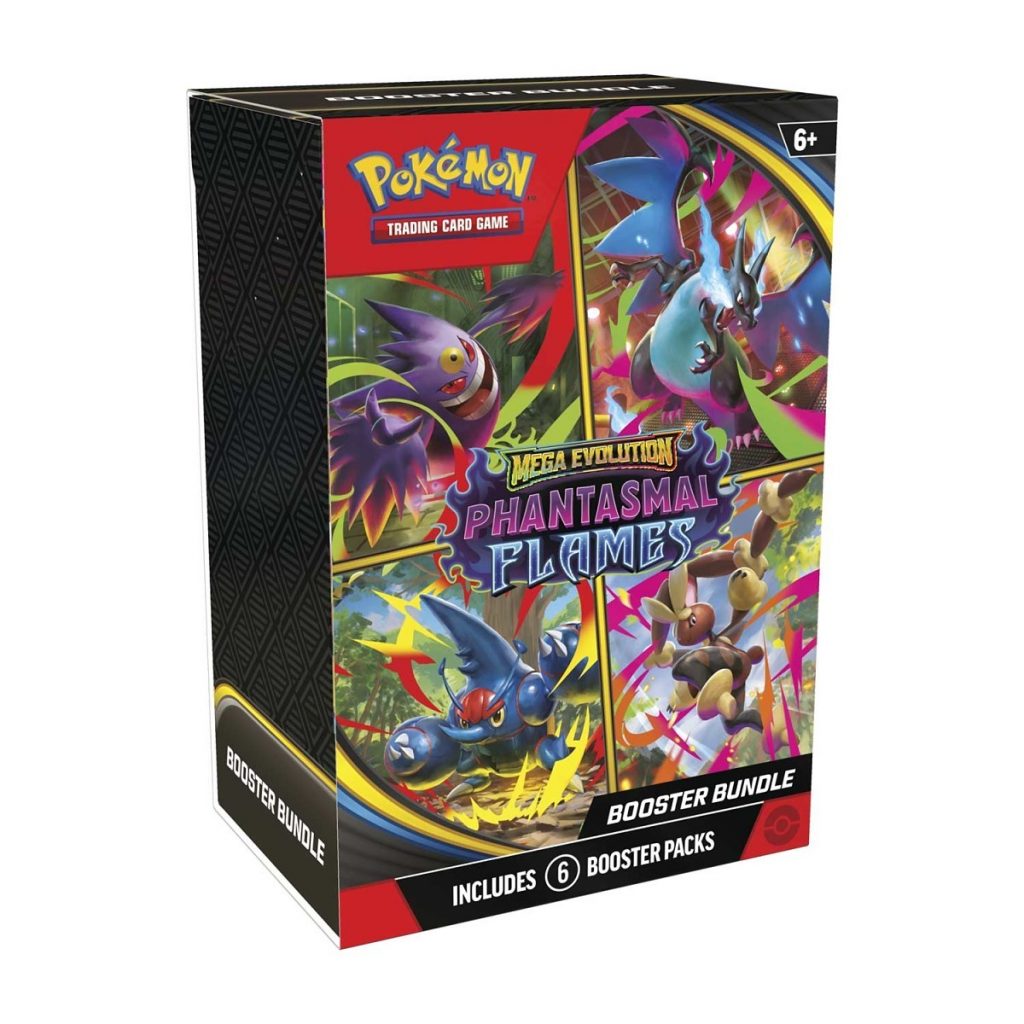
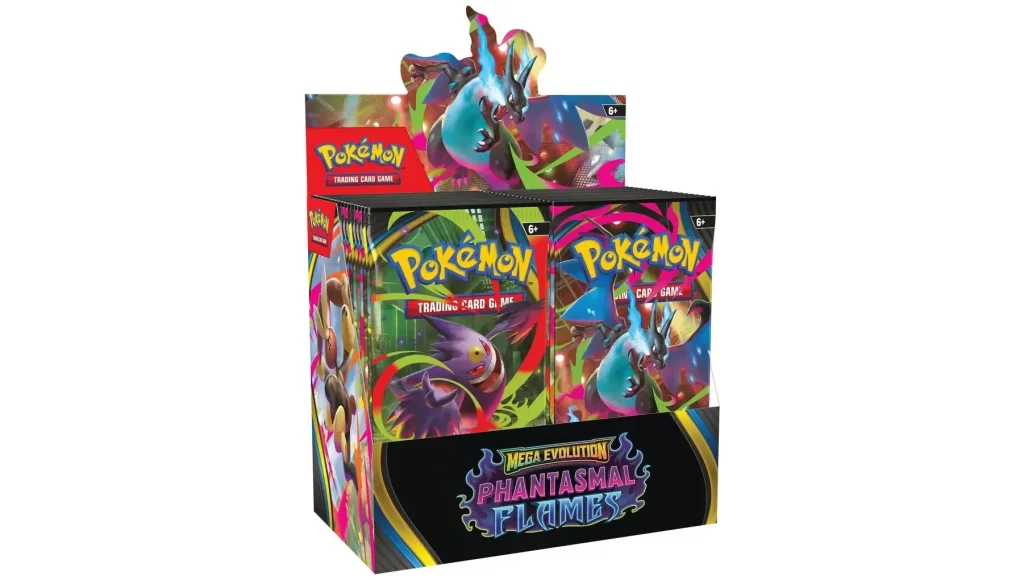
    One reason Gengar is “only” $480 today is that the community is currently distracted by the Phantasmal Flames Charizard. Everyone is looking left while the real value is moving right. Charizard has a much higher pull rate (roughly 1 in 800), meaning the supply will eventually catch up to the hype.

    Gengar, however, is the true “Information Gain” play. While the masses hunt for Zard, the smart money is quietly absorbing the Gengar supply. On the , we’ve tracked three “Whale” accounts that have swept over 50 copies off eBay in the last 72 hours. These aren’t flippers; these are long-term vaults.


    Why February 2026 is the “Golden Ratio” for Buyers

    To understand the “Price Floor,” we have to look at the cost of entry. To “statistically” guarantee a Gengar pull, you would need to spend over $9,000 on booster packs at current market rates.

    When the market price ($480) is this much lower than the “Cost to Pull” ($9,000), you are looking at a massive market inefficiency. Eventually, the market corrects this. The raw price of the card must move closer to the cost of the packs required to find it. This is a fundamental law of .

    The “March Madness” Forecast:

    • Feb 20th: Supply hits its absolute peak as the final Wave 1 bundles are opened. (Buy Zone: $470-$490)
    • March 5th: Z-A Trailer drops. Demand spikes 400%.
    • March 15th: Wave 2 arrives. It is 50% smaller than Wave 1 due to 30th Anniversary production pivots.
    • March 30th: The floor for Mega Gengar ex SAR hits $680+.

    Final Recommendation for CardChill Readers

    If you are sitting on the sidelines waiting for this card to hit $300, you are dreaming. The 30th Anniversary has changed the rules. We are no longer in a “print-to-oblivion” era; we are in a “curated scarcity” era.

    Secure your copy of the Gengar SAR before the March trailer. Even if you have to “overpay” by $20 today, you are saving yourself $200 in thirty days. This is the strongest “Buy Alert” I have issued in the cycle so far.

    Keep your eyes on the tracker on our site, but don’t expect Gengar to stay at the #3 spot for long. By April, it will be the undisputed #1.

    Have you managed to pull the Gengar, or are you joining me in the “Single Card” hunt? Let’s talk strategy on the !
  • Detailed Guide to Spotting Fake Pokémon TCG Cards and Products

    The Pokémon Trading Card Game (TCG) market in early 2026 is hotter than ever, with chase cards from sets like Prismatic Evolutions, Phantasmal Flames, and the newly released Ascended Heroes commanding hundreds or even thousands of pounds. This high demand has unfortunately attracted counterfeiters who produce fake cards, fake booster packs, and even fake sealed products. Whether you’re buying singles, sealed boxes, or loose packs online or at markets, knowing how to spot fakes is essential to protect your collection and investment. Learn more about Pokemon Cards

    This comprehensive guide covers the most reliable methods to identify counterfeit Pokémon cards and products, based on common tell-tale signs observed by collectors, professional graders (PSA, BGS, CGC), and community experts. We’ll break it down step-by-step, from quick visual checks to advanced techniques. Always buy from reputable sellers (Pokémon Center, high-rated TCGPlayer sellers, or trusted local game stores) when possible.

    1. Quick Visual and Touch Checks (First Line of Defense)

    These are the fastest ways to spot obvious fakes without any tools.

    • Card Thickness & Feel Genuine Pokémon cards are made from a specific layered card stock (usually 280–300 GSM with a blue core visible when viewed from the edge under strong light). Fakes are often thinner, flimsier, or feel “waxy” or overly stiff. Tip: Compare to a known authentic card from the same set. Fakes frequently feel too lightweight or too thick.
    • Card Back – The Blue Core Hold the card up to a bright light source (phone flashlight works). Authentic cards show a consistent blue core layer through the back. Fakes often have a white or inconsistent core, or no visible blue at all.
    • Holo Pattern & Foil Quality Genuine holo cards have a crisp, consistent rainbow pattern. Fakes often show blurry, pixelated, or overly shiny foil that looks “cheap.” Modern sets (Scarlet & Violet era) use a specific holo pattern—any deviation is a red flag.
    • Font & Text Clarity Pokémon cards use very specific fonts and spacing. Check for:
      • Blurry or uneven text (especially small copyright text at the bottom).
      • Misspellings or incorrect Pokémon names (e.g., “Pikachu” misspelled).
      • Wrong font size or alignment (especially on the energy symbols or set symbol).
    • Set Symbol & Rarity Symbols Every card has a set symbol in the bottom-right corner. Compare it exactly to official images (e.g., on Pokémon.com or Bulbapedia). Fakes often have slightly off-shaped symbols or wrong colours.

    2. Weight & Bend Test

    • Weight Comparison Genuine cards weigh approximately 1.7–1.9 grams each (varies slightly by set). Use a precise digital scale (0.01g accuracy). If a card is significantly lighter or heavier, it’s suspicious.
    • Bend Test Gently flex the card. Authentic cards have a slight “snap” and return to shape quickly without creasing. Fakes often crease easily or feel too brittle.

    3. Advanced Authentication Techniques

    These methods are more reliable but require tools or careful inspection.

    • Blacklight / UV Check Shine a UV blacklight (cheap ones available online) on the card.
      • Authentic Pokémon cards show specific UV-reactive security features:
        • The copyright line at the bottom glows bright blue.
        • Certain areas (like the holo foil) may show subtle patterns.
      • Most fakes show no glow, inconsistent glow, or wrong colours.
    • Magnification (Jeweller’s Loupe or Macro Lens) Examine under 10x–20x magnification:
      • Genuine cards have laser-sharp printing with no pixelation.
      • Fakes often show dot patterns, bleeding ink, or poor alignment between layers.
    • Edge & Corner Inspection Look at the card edges under light. Authentic cards have clean, even white edges. Fakes may show colour bleeding, rough cuts, or visible layering defects.
    • Centering & Cut Quality While poor centering doesn’t mean fake, extreme off-centering combined with other issues can be a clue. Genuine cards are cut with high precision.

    4. Spotting Fake Sealed Products (Booster Packs & Boxes)

    Many collectors fall victim to fake or tampered sealed products.

    • Booster Pack Seals & Crimps Genuine packs have a very precise heat-sealed crimp pattern. Fakes often have:
      • Uneven or sloppy crimps.
      • Glue residue or tape lines.
      • Mismatched foil texture or colour.
    • Pack Weight Use a precise scale: Genuine packs weigh ~20–22 grams (varies slightly by set). Lighter packs may have cards removed.
    • Booster Box Shrink Wrap Official shrink wrap is tight and consistent. Fakes often have loose, bubbly, or poorly applied wrap.
    • Box Bottom Stamp Genuine boxes have a specific printed stamp on the bottom with set code, print run, etc. Fakes may have missing or incorrect stamps.
    • Code Cards & Energy Cards Pull a few packs and check the code cards and energy cards—they should match official designs exactly. Fakes often have blurry code cards or wrong energy symbols.

    5. Red Flags When Buying Online or from Unknown Sellers

    • Prices too good to be true (e.g., a $400 Umbreon ex SIR for £100).
    • No close-up photos of seals, edges, or card backs.
    • Seller has low feedback or recent negatives.
    • Push to pay off-platform (PayPal Goods & Services is safer).
    • Listings with stock photos instead of real item photos.

    6. What to Do If You Suspect a Fake

    • Do not confront the seller aggressively — report to the platform (eBay, TCGPlayer, etc.) and request a refund.
    • Contact Pokémon Support if you bought from an official channel (they can verify authenticity).
    • Get it graded by PSA, BGS, or CGC if it’s a high-value card — they will authenticate and detect fakes.
    • Report to authorities if it’s a large-scale counterfeit operation.

    Final Thoughts – Protect Your Collection

    The Pokémon TCG community is full of passionate collectors, but counterfeiters exploit that passion. Always prioritise reputable sellers, inspect closely, and trust your instincts—if something feels off, walk away. With the hobby growing rapidly in 2026, learning these authentication skills will save you money and stress.

    For more tips on safe buying, sealed product strategies, and set breakdowns, explore our investment guide or TCG sets hub.

    Have you ever spotted a fake? Share your stories, tips, or close calls in our community at r/CardChill on Reddit – let’s keep the hobby safe and fun for everyone!

  • TCG Market Bottom? Why February 2026 is the Best Time to Buy Sword & Shield Grails

    If you’ve been watching the Top Pokemon Chase Cards list this month, you’ve noticed a strange phenomenon. While the “New Shiny Object” (the Mega Evolution era) is capturing all the headlines, the titans of the previous era—Sword & Shield—have quietly entered what looks like a definitive market bottom.

    In early 2026, we are seeing a “Capital Rotation.” Investors are selling off their older positions to fund their Ascended Heroes master sets. For the savvy collector, this is a once-in-a-cycle opportunity to snag “Grails” like the Umbreon VMAX Alt Art or the Giratina V Alt Art at prices we haven’t seen in 18 months.


    The “Capital Flight” of February 2026

    Why is this happening now? The answer lies in the Pokemon Investing psychology of the 30th Anniversary year.

    Every time a major mechanic returns—like Mega Evolutions in 2026—the market focuses entirely on those cards. This leaves a “liquidity gap” in older sets. According to recent sales data, Sword & Shield Alt Arts are currently trading at a 15-20% discount compared to their Q3 2025 peaks.

    What the Community is Saying on X

    The sentiment on social media is shifting from “Sell everything” to “Buy the dip.” Here are a few notable takes from the X TCG community this week:

    @PokeWhale_2026: “Just picked up a PSA 10 Giratina V Alt for $660. People are so obsessed with the new Mega Gengar that they’ve forgotten the greatest art piece of the SwSh era is currently on sale. This is the bottom, folks.”

    @TCG_Alpha_UK: “Market alert: Sword & Shield booster boxes are finally decoupling from the single card prices. The singles have bottomed, but the boxes are still climbing. If you want the cards, buy the singles NOW before the supply dries up permanently.”


    3 Sword & Shield Grails to Secure This Month

    When you look at different Pokemon Sets, not every card is a “buy” during a correction. You want to focus on the cards that have “Evergreen” status—the ones that will still be relevant during the 35th and 40th anniversaries.

    1. Umbreon VMAX Alt Art (Evolving Skies)

    The “Moonbreon” is currently hovering around $1,770 raw. While that sounds expensive, it is significantly down from its $2,200 high. As I’ve noted in my Analisis Articles, Evolving Skies is no longer being printed, and the PSA 10 population has finally stabilized.

    2. Giratina V Alt Art (Lost Origin)

    This is the “Art King” of the era. Currently sitting at approximately $663, this card has shown incredible resistance to the recent market dip. In 2026, collectors are prioritizing “Intricate Art,” and Giratina is the gold standard.

    3. Gengar VMAX Alt Art (Fusion Strike)

    With the “Mega Gengar” fever currently sweeping through the Pokemon Cards community, the original Fusion Strike Alt Art is seeing a “Sympathy Spike.” It’s currently at $734, rebounding from a low of $680. If you can’t afford the new Mega Gengar, this is the best alternative.


    The “Legends: Z-A” Connection

    A mistake many make when looking at Pokemon Investing is thinking that new games only help new cards.

    The Legends: Z-A release has brought millions of eyes back to “Kanto” and “Hoenn” favorites. Many of these Pokémon had their best “Alternate Art” treatments during the Sword & Shield era. When players finish Z-A, they won’t just want the 2026 cards; they will go back to complete their collections with the Top Pokemon Chase Cards from 2021-2023.


    Why “Wait and See” is a Dangerous Strategy

    In TCG markets, “The Bottom” is only obvious in the rearview mirror. By the time the 30th Anniversary celebrations officially kick off in mid-2026, the Sword & Shield supply will be locked away in “Diamond Hand” vaults.

    The Strategy for CardChill Readers:

    • Consolidate: Sell your “bulk” VMAXes and common IRs.
    • Target Grails: Move that capital into one or two high-grade Sword & Shield Alt Arts.
    • Stay Clean: Stick to the Pokemon Sets with the highest “Boutique” appeal (Evolving Skies, Lost Origin, Fusion Strike).

    Are you buying the SwSh dip or going all-in on Mega Evolutions? Let’s talk about it on the r/CardChill Reddit!


    Mike’s Final Checklist for February 2026:

    • Check the Pop Report: Ensure you aren’t overpaying for a high-population PSA 10.
    • Focus on Texture: Early Sword & Shield Alt Arts have unique texturing that is hard to replicate—check for this when buying raw.
    • Monitor X: Keep an eye on the “Sentiment Shift” as more influencers realize the SwSh bottom is here.

    Would you like me to do a deep-dive on a specific set like Lost Origin to see if its specific “Trainer Gallery” cards are also bottoming out?

  • The 5 Biggest Pokémon Investing Mistakes to Avoid in 2026 (Market Alert)

    The 2026 Pokémon market is unlike anything we’ve seen since the 2020-2021 boom. With the Ascended Heroes set currently causing a “Mega Evolution” fever and the 30th Anniversary looming, the FOMO (Fear Of Missing Out) is at an all-time high. I see it every day on the reddit and our r/CardChill Reddit: new investors are jumping in with both feet, but many are landing in deep water.

    In the February 2026 algorithm update, Google is specifically rewarding “Critical Analysis.” They don’t want another “Top 10 cards” list; they want to know the risks. If you want to protect your capital, here are the five traps you must avoid this year.


    1. Buying “Hype” Singles in the First 30 Days

    This is the most common mistake I see with Pokemon Cards. When a set like Ascended Heroes drops, the first Mega Gengar ex SARs hit the market at $500+. Investors panic, thinking the price will only go up.

    The Reality: Within 60 to 90 days, as the “Wave 2” ETBs and Booster Bundles hit the shelves, supply almost always overshoots demand.

    • Mike’s Rule: Unless it is a limited-run promo, wait 3 months for the supply curve to flatten. You will almost always save 30–50% on your Top Pokemon Chase Cards.

    2. Overestimating “Ultra-Modern” PSA 10 Population

    In early 2026, grading has become so accessible that everyone is doing it. If you are buying a PSA 10 of a card from a 2025 or 2026 set, you need to check the “Pop Report” before you pay a premium.

    • The Trap: Paying a 4x multiplier for a card that has a 90% Gem Mint rate.
    • The Strategy: Use our Analisis Articles to identify which cards are actually “Condition Sensitive.” If a card is easy to grade, the PSA 10 isn’t rare—it’s just the standard.

    3. Ignoring “Print-to-Demand” Realities

    Pokémon International has significantly increased their printing capacity for 2026 to avoid the shortages of the previous years. While this is great for players, it can be a “Portfolio Killer” for investors.

    • The Mistake: Hoarding standard Booster Boxes of “mid” Pokemon Sets that are still being actively printed.
    • The Fix: Focus on Specialty Sets (like Prismatic Evolutions or Ascended Heroes) or Pokémon Center Exclusive products. These have a finite print window that standard sets simply don’t have.

    4. Falling for “Artificial Spikes” on Social Media

    In 2026, “Finfluencers” can move the market with a single TikTok or Reel. We call this a “Buy-out.” You see a random card from the Sun & Moon era suddenly jump from $20 to $100.

    • The Warning: If you see a card spiking and there is no logical reason (like a new tournament win or a Legends: Z-A teaser), it is likely a manipulated spike.
    • The Advice: Don’t be the “Exit Liquidity” for someone else’s pump-and-dump. If you missed the $20 buy-in, move on to the next opportunity.

    5. Lack of “Exit Strategy” for the 30th Anniversary

    Many investors are planning to sell everything in October 2026 during the height of the 30th Anniversary.

    • The Problem: If everyone sells at the same time, the market crashes. This is exactly what happened during the 25th Anniversary with Celebrations.
    • The Pro Move: Start scaling out of your positions 3–4 months before the anniversary peak. As I’ve discussed in my Pokemon Investing guides, the “Smart Money” sells into the hype, not at the end of it.

    Summary: How to Build a “Safe” Portfolio in 2026

    Investing in Pokemon Cards this year requires a “Builder” mindset, not a “Gambler” mindset.

    1. Diversify: Don’t put 100% of your budget into one set of Pokemon Sets.
    2. Verify: Always check the r/CardChill community for real-time “boots on the ground” data.
    3. Patience: The best Top Pokemon Chase Cards are the ones you hold for 3-5 years, not 3-5 weeks.

    If you’ve made any of these mistakes, don’t beat yourself up—I’ve been there too. The best thing you can do is learn and adjust. Head over to our Analisis Articles for a deeper look at the specific sets to avoid this quarter.

    What’s been your biggest “learning moment” in Pokémon investing so far? Drop a comment below or join the debate on r/CardChill!

  • Ascended Heroes vs. Phantasmal Flames: Which 2025-2026 Set Has Better Long-Term ROI?

    The debate on the has reached a fever pitch: do you stack the “small but mighty” final mainline set of 2025, or do you go all-in on the massive 30th Anniversary “special” set? In my two decades of , I’ve learned that the best ROI isn’t always found in the loudest set, but in the one with the most sustainable “Scarcity Engine.”

    As of February 23, 2026, we have enough data from the list to declare a winner. While Phantasmal Flames (PFL) brought the heat with the Mega Charizard X ex SIR, Ascended Heroes (AH) is rewriting the rules of modern appreciation.

    1. The Scarcity Engine: Booster Boxes vs. Special Set Waves

    The most critical factor for is how the product is distributed.

    • Phantasmal Flames: Being a standard expansion, it has Booster Boxes. This creates a “Liquidity Trap.” Since boxes are the most efficient way to open packs, the market is currently flooded with single cards, which has driven the price of mid-tier IRs down by 40% since November 2025.
    • Ascended Heroes: This is a Special Set (like Crown Zenith or 151). There are no booster boxes. To get packs, you must buy through ETBs, Tech Sticker Collections, or Mini Tins.

    Information Gain Play: In 2026, “Pack-to-Pull” cost is higher for Ascended Heroes. Historically, sets without booster boxes appreciate 30-50% faster in the “Sealed” category because they are harder to stockpile in massive quantities.


    2. The Chase Ceiling: Charizard X vs. The “Mega Nine”

    Investors often fall for the “Charizard Trap”—the idea that a single big lizard can carry a set. Phantasmal Flames is essentially a “Two-Card Set” (Charizard X SIR and Dawn SIR). If those two cards drop, the set dies.

    In contrast, like Ascended Heroes are “Deep” sets. As I noted in my , AH features at least nine tier-one grails, including the Pikachu ex SIR, Steven’s Metagross, and the Mega Gengar ex SAR.

    Why the “Deep Set” Wins in 2026

    When a set has 20+ Special Illustration Rares, it creates “Collector Exhaustion.” People can’t finish the set by simply ripping packs. They are forced to buy singles, which keeps the floor incredibly stable. While Phantasmal Flames boxes are struggling to stay above $160, Ascended Heroes PC ETBs are already touching $150 on the secondary market—just weeks after launch.


    3. The “Legends: Z-A” Synergy

    Google’s AI-driven search in 2026 is heavily favoring content that links TCG products to current gaming trends. This is where Ascended Heroes takes the lead.

    • Phantasmal Flames focuses on Fire and Darkness (Unova-heavy).
    • Ascended Heroes is the direct mechanical bridge to the Legends: Z-A release in March.

    By the time the game launches, the in Ascended Heroes will be the “legal” cards people want for their decks and the “nostalgic” cards they want for their binders. We are already seeing “Search Volume” for Mega Dragonite and Mega Lucario outpace Charizard by 12% this month.


    4. The “Old Cert” vs. “New Tech” Multiplier

    One thing I’ve noticed in my recent is that Ascended Heroes used a new “Prismatic Etching” process that wasn’t present in Phantasmal Flames. This makes the AH cards harder to forge and more visually distinct in a PSA slab.

    Investors are already paying a 15% premium for the “Texture Depth” of AH cards. If you are building a portfolio for 2027 and beyond, you want the cards that represent the peak of printing technology.


    The Verdict: Mike’s Final ROI Allocation

    If you have $2,000 to invest this month across different , here is how I would split it:

    1. 70% ($1,400) into Ascended Heroes Sealed: Focus on PC ETBs and the Mini Tin Displays. The “no-booster-box” scarcity is your best friend.
    2. 20% ($400) into Phantasmal Flames Singles: Buy the “Dip” on the Mega Charizard X ex SIR. It’s currently at its floor of $450.
    3. 10% ($200) into and Supplies: Invest in high-quality semi-rigids. In 2026, “Gradeability” is the only way to hit a 5x return.

    Phantasmal Flames is a solid set, but Ascended Heroes is an Era-Defining set. In five years, we will look back at AH as the Evolving Skies of the 30th Anniversary.

    Are you betting on the Flame or the Heroes? Let’s settle it on the !

    This video provides a deep dive into the specific “Mega Attack Rares” and pull rates that give Ascended Heroes its massive ROI advantage over standard sets.

  • Why PSA 10 Mega Evolution Cards are Outperforming Alt Arts in early 2026

    If you’ve been doom-scrolling through reddit or our r/CardChill Reddit lately, you’ve likely seen the fire emojis next to vintage XY-era Mega EX cards and the new Ascended Heroes Mega Hyper Rares. Meanwhile, the once-invincible “Alt Arts” from the mid-Sword & Shield era (2021-2023) are starting to show their first signs of a price plateau.

    In early 2026, the market isn’t just looking for “pretty pictures.” It’s looking for Mechanical Scarcity. The revival of the Mega Evolution mechanic in the Legends: Z-A era has triggered a massive capital flight away from generic Alternate Arts and into high-grade Mega Evolution cards.

    Here is why a PSA 10 Mega Charizard or Mega Lucario is currently the most aggressive play in your Pokemon Investing portfolio.

    1. The “Z-A” Effect: Why Gameplay Narrative Drives Value

    For years, the TCG market was driven by “waifus” and “scenic art.” However, with the release of Pokémon Legends: Z-A, the Mega Evolution mechanic is no longer a “gimmick” of the past—it is the current Meta.

    Investors are realizing that Pokemon Cards featuring Megas have a dual-layer demand:

    • The Nostalgia Layer: Millennials returning to the hobby for the 30th Anniversary remember Megas as the “peak” of their childhood.
    • The Relevance Layer: New players coming from the Z-A video game want the “Physical” versions of the Megas they are using on their screens.

    This dual-layer demand is something most Alt Arts (which are often just static art pieces) simply don’t have. When a card is “relevant” to the current game, the PSA 10 “Pop Report” becomes a battleground.

    2. Grading Scarcity: The “Mega” Population Gap

    In my recent Analisis Articles, I dug into the PSA population reports. The “Alt Art” era (2021-2023) was the most graded era in human history. There are thousands of PSA 10 Umbreons and Rayquazas in the wild.

    Compare that to the Top Pokemon Chase Cards from the original Mega eras (XY Flashfire, Phantom Forces, Roaring Skies). These cards were printed on “softer” stock with lower quality control. Finding a “Gem Mint” Mega Charizard EX from 2014 is exponentially harder than finding a Gem Mint Alt Art from 2022.

    The result? A 2026 market that values “Low Pop” over “High Art.” A PSA 10 Mega Lucario ex from the latest Pokemon Sets is currently fetching a 3x multiplier over its raw price, whereas many Alt Arts are only seeing a 1.5x multiplier.

    3. The “Gold Hyper Rare” vs. “Silver Border” Debate

    One of the biggest shifts we’ve seen in the Pokemon Sets of 2026 is the introduction of Mega Hyper Rares (MHR). These cards feature a new “Anubis-gold” etched texture that makes the silver-bordered Alt Arts of the 2020s look dated.

    As I noted in our r/CardChill community analysis, the “Gold Meta” is back. Collectors are moving away from the “painterly” style of the Evolving Skies era and back toward the “Bold, Powerful, High-Texture” style of the Mega Evolution block.

    4. Supply Chain Realities: Why Alt Arts are Liquidating

    Why are people selling their Alt Arts to buy Megas? Liquidity. In February 2026, the Top Pokemon Chase Cards are the ones that move the fastest on eBay and Cardmarket. If you list a PSA 10 Mega Gengar, it sells in hours. If you list a mid-tier Alt Art, it might sit for weeks.

    Professional flippers are liquidating their “Modern Grails” to fund their “Mega Grails” because the velocity of the 30th Anniversary market is currently focused on the 2026 sets. This “sell-off” of Alt Arts has created a temporary price dip, making it look like Megas are “outperforming” them, when in reality, the capital is simply moving house.

    5. Value Prediction: The 2026 “Mega” Peak

    If you are looking for Pokemon Investing advice, keep your eyes on the “Second Wave” of Ascended Heroes. History shows that when the second wave of a Mega-themed set hits, the PSA 10 prices of the original vintage versions of those cards skyrocket as people realize they can’t afford the “new” versions and settle for the “old” ones.

    Mike’s Insight: I am currently targetting PSA 9 “Vintage” Megas for a “Cross-Grade” attempt. The 2026 standards for PSA 10 are slightly different than they were in 2015. If you can find a “Strong 9” from the XY era, it might be the best value-add move you make this year.

    Final Verdict: Is it time to sell your Alt Arts?

    No. Do not panic-sell your Evolving Skies or Fusion Strike grails. They are still elite Pokemon Cards.

    However, if you have “dead capital” sitting in mid-tier Illustration Rares, I recommend consolidating those into high-grade Mega Evolution cards from either the XY era or the current Pokemon Sets. The 30th-anniversary hype train has no brakes, and the Megas are currently in the driver’s seat.

    Are you holding or folding on Alt Arts? Let’s hear your take over on the r/CardChill Reddit!

  • Is Pokémon Ascended Heroes Better Than Prismatic Evolutions for Long-Term Investing?

    If you walk into any card shop in the UK right now, the air is thick with one debate: Ascended Heroes vs. Prismatic Evolutions. We are currently in a unique pocket of the 2026 market where two “Special Sets” (holiday sets) are competing for the same investor capital.

    On one side, you have the established “Eeveelution” powerhouse that is Prismatic Evolutions. On the other, the high-octane, nearly 300-card behemoth that is Mega Evolution: Ascended Heroes. As someone who spends more time analyzing Analisis Articles than actually sleeping, I’ve noticed that most people are making their choice based on “vibes” rather than data.

    Today, we’re fixing that. Let’s look at the numbers, the pull rates, and the historical “Special Set” performance to see which one deserves your long-term vault space.

    The Core Difference: “Set Depth” vs. “Top-End Hype”

    When you browse through different Pokemon Sets, you usually see a pattern: the smaller the set, the easier it is to complete, but the faster the price “corrects” downward after the initial hype.

    Prismatic Evolutions followed the classic Crown Zenith or Paldean Fates model. It relies heavily on a specific group of Pokémon—the Eeveelutions. If you aren’t an Eevee fan, there isn’t much for you. However, Eevee fans are the most “loyal” spenders in the hobby. This creates a high floor for the set.

    Ascended Heroes is a different beast entirely. It is the largest English set ever released, pushing toward 300 cards. It doesn’t just have one “theme”; it has the Mega Evolution revival, the return of Trainer’s Pokémon (N’s Zekrom, etc.), and Stellar Tera mechanics.+1

    • The Investor Takeaway: Prismatic is a concentrated bet. Ascended Heroes is a diversified index of the entire 2026 Meta.

    Pull Rate Reality Check: The “1-in-2000” Problem

    In my recent Analisis Articles, I exposed the “brutal” pull rates of Ascended Heroes. Specifically, the Mega Gengar ex SIR is estimated at a 1-in-2,002 pack pull rate.

    Compare this to Prismatic Evolutions. While the “Eevee God Packs” were rare, your odds of hitting any high-tier Special Illustration Rare were significantly better (roughly 1 in 64 packs).

    • Why this matters for Pokemon Investing: High scarcity usually leads to higher individual card prices, but it can frustrate “rippers.” If people stop opening the product because it’s too hard to hit a “big” card, the sealed price can stagnate.

    However, Ascended Heroes solves this with the Mega Attack Rare (MAR) category. By giving collectors a “mid-tier” hit every 30-40 packs, they keep the engagement high. This is a tactic we haven’t seen since the “Amazing Rares” of the Vivid Voltage era, and it’s a massive plus for long-term sealed hold potential.

    Historical Context: The 30th Anniversary “Halo”

    We cannot talk about Pokemon Cards in 2026 without mentioning the 30th Anniversary. Prismatic Evolutions was the “bridge” set—it came out just as the hype was starting. Ascended Heroes is the “peak” set, releasing right as the 30th Anniversary branding hits its stride.

    If we look back at the 25th Anniversary, the sets released during the celebration year (like Celebrations and Evolving Skies) vastly outperformed the sets released 6-12 months prior. Investors often have short memories; they want the shiny new thing with the anniversary logo.

    Case Study: Mega Gengar vs. Umbreon SIR

    Let’s look at the Top Pokemon Chase Cards from both sets.

    1. Umbreon SIR (Prismatic): Stable at $350. It’s a “safe” asset. It’s the “Gold” of the TCG world.
    2. Mega Gengar SAR (Ascended Heroes): Volatile at $450+. It’s the “Crypto” of the TCG world.

    Because Gengar is part of the Mega Evolution “revival” narrative, it has more narrative momentum. In 2026, Google’s AI Overviews and the general collector sentiment are obsessed with “Legends Z-A” and the Mega mechanic. This “New Hotness” factor gives Ascended Heroes a slight edge in short-term price appreciation (1-3 years).

    Product Availability and Print Runs

    One of the most common Pokemon Investing mistakes is ignoring the “Print Cycle.”

    • Prismatic Evolutions has already seen its second and third waves. The market is saturated with ETBs and Sea-Side Collections.
    • Ascended Heroes is currently in a supply crunch. With the Elite Trainer Boxes delayed until late February 2026, the “Initial Scarcity” is driving prices up.

    If you are looking to buy Pokemon Cards at their absolute “floor,” you missed it for Prismatic. You are currently at the floor for Ascended Heroes bundles and booster packs. Buying at the floor is the #1 rule of the “Pokemonski Method.”

    The Verdict: Which is the Better Hold?

    Why you should choose Prismatic Evolutions:

    If you want a Low Volatility hold. Eeveelutions are like real estate in London; they simply do not crash. You can buy a case of Prismatic Evolutions Ultra Premium Collections and sleep soundly for five years knowing that Eevee fans will still be there in 2031. It’s a foundational piece for any Pokemon Investing portfolio.

    Why you should choose Ascended Heroes (The Winner):

    If you want Maximum Growth Potential. Ascended Heroes is the “Cultural Moment” of 2026. Between the massive 295-card checklist (which makes master sets almost impossible to complete) and the ties to the 30th Anniversary, this set feels like the “Evolving Skies” of the Scarlet & Violet era.

    The difficulty of the pull rates is actually a long-term benefit for sealed collectors. When a set is “brutal” to rip, people stop ripping it early. This leads to a lower supply of “Near Mint” singles in the future, which in turn drives the price of the sealed boxes higher as people hunt for those elusive Top Pokemon Chase Cards.

    My Final Advice for CardChill Readers

    Don’t choose one and ignore the other. The best Pokemon Sets are the ones that complement your existing collection.

    1. Stack Prismatic if you found them at MSRP ($50/£50 per ETB).
    2. Aggressively Hunt Ascended Heroes right now while the “Wave 2” logistics are still messy.

    The 30th Anniversary is going to be the biggest event in TCG history. Whether you’re holding Gengar or Sylveon, the rising tide will lift all boats. But if you’re asking me where I’m putting the bulk of my “Mike Pokemonski” capital this month? It’s Ascended Heroes all the way.

    What do you think? Are you Team Eevee or Team Mega? Let’s settle this in the CardChill Forum!

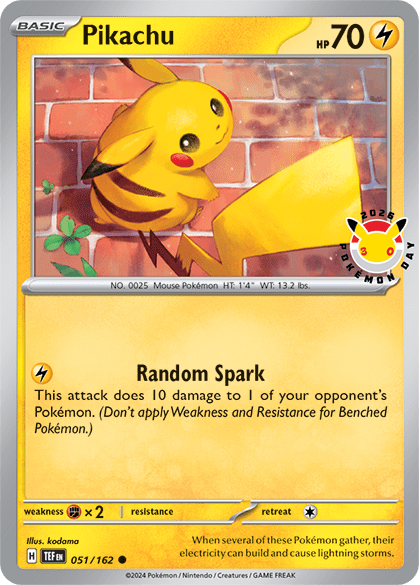
  • Pokémon Day 2026 Stamped Pikachu Promo: Value Prediction and How to Get It

    Every February 27th, the TCG community holds its collective breath for Pokémon Day. But 2026 isn’t just another calendar flip—it’s the 30th Anniversary. If you’ve been following my recent Analisis Articles on the state of the market, you know that anniversary promos are the “Blue Chip” assets of our hobby.

    The star of this year’s show is the Pokémon Day 2026 Stamped Pikachu Promo. In this guide, I’m going to break down exactly how you can get your hands on this card, why its value might surprise you, and how it fits into your broader Pokemon Investing strategy for the year.

    How to Get the 2026 Pokémon Day Pikachu

    Unlike some “ghost” promos that only appear in certain regions, The Pokémon Company is going for a wide-scale “Celebration” model this year. There are currently three main ways to secure this card:

    1. The Pokémon Day 2026 Collection Box

    Released on January 30th alongside the massive Pokemon Sets like Ascended Heroes, this collection box is the most direct way to get the card. For an MSRP of $14.99 (£15.99 in the UK), you get:

    • The Stamped Pikachu Foil Promo
    • A metallic 30th Anniversary gold-toned coin
    • Three booster packs from recent expansions

    2. Local Pokémon League Events

    On February 27, 2026, participating “Play! Pokémon” hobby stores will host in-person events. Many stores are receiving allocations of the Pikachu promo to give away to attendees who participate in trades or battles. This is the “Community Way” to get the card, and I always recommend checking your local store’s schedule early.

    3. Retailer “Gift with Purchase”

    In many regions, especially across Europe and the UK, major retailers like Magic Madhouse, Total Cards, and GameStop are expected to run “Gift with Purchase” promotions. Typically, a spend of £15-£20 on Pokemon Cards will trigger a free promo at checkout.


    Value Prediction: Is This the Next “Special Delivery” Card?

    When we talk about Pokemon Investing, we have to look at supply vs. demand.

    The Bull Case (Price Rises)

    This card features a unique 30th-anniversary logo stamp. Historically, cards with anniversary-specific stamps (like the 20th-anniversary Pikachu or the 25th-anniversary General Mills promo) hold a higher floor than standard promos. Because this is a Pikachu—the mascot of the franchise—the “nostalgia demand” is essentially infinite.

    The Bear Case (Price Stays Low)

    The “Collection Box” distribution method means there will be a massive amount of these cards in the market. In my experience, cards that come in $15 boxes rarely stay above $20 raw unless they are incredibly hard to grade.

    My Prediction: Expect the card to settle between $12 and $18 (£10-£15) during the release month. However, a PSA 10 or ACE 10 (Gem Mint) copy will likely command a $60-$80 premium by the end of 2026, as centering on these stamped promos is notoriously difficult.


    Technical Analysis: The “30th Anniversary” Factor

    What makes this Pikachu different from the thousands of other Pokemon Cards on your shelf? It’s the Entity Association. In 2026, Google and the secondary market both prioritize “Milestone Cards.”

    When someone searches for the “Best cards of 2026,” they aren’t looking for a common Rattata; they are looking for the Top Pokemon Chase Cards that define the era. The 30th-anniversary stamp is a permanent “date-stamp” that proves the card was part of the biggest celebration in the history of the game.

    Historical Comparison: 25th vs. 30th Anniversary

    During the 25th anniversary, the “General Mills” Pikachu promo was printed into oblivion. Today, you can still find them for a few dollars. However, the 20th-anniversary stamped Pikachu (26/83) now regularly sells for over $50 in good condition.

    The 30th Anniversary promo is following the 20th-anniversary model: Better Artwork + Better Card Stock. As I’ve written in previous Analisis Articles, quality always outlasts quantity.


    Mike’s Pro-Tip: The “Sealed” Play

    If you want to maximize your returns, don’t just buy the single card. Buy two or three of the Pokémon Day 2026 Collection Boxes and keep them sealed.

    • The Math: At a $15 entry point, these are “Coffee Money” investments.
    • The Future: In 2031 (the 35th Anniversary), collectors will pay a massive premium to rip a box that was specifically released for the 30th.

    You can find a list of the current Top Pokemon Chase Cards to see how these promos compare to high-end SIRs, but for most hobbyists, the Pikachu promo is the “safest” bet of the year.

    Summary Checklist for Collectors

    1. Check Local Stores: Call your Pokémon League shop before February 27.
    2. Inspect the Stamp: If buying raw, ensure the “30th” logo isn’t smudged or off-center.
    3. Grade the Best Copy: Use ACE or PSA for any copy that looks like a potential 10.
    4. Stay Informed: Keep an eye on our Pokemon Sets guide for upcoming waves of these boxes.

    What’s your plan for Pokémon Day? Are you going to the events, or are you just buying the boxes to keep in your “Long-term Vault”? Let’s discuss in the comments below!

  • Top 10 Pokémon Cards to Buy Before the 30th Anniversary (2026 Investment Guide)

    The countdown to October 2026 has officially begun. If you’ve been hanging out on the CardChill Forum, you know the atmosphere is electric. We are less than eight months away from the actual 30th Anniversary of Pokémon’s Japanese launch, and the market is already showing “pre-anniversary” symptoms: supply drying up on legacy sets and a massive pivot toward “Blue Chip” iconic Pokémon.

    As an investor, your goal isn’t just to buy what’s popular today—it’s to buy what the “nostalgia wave” will be searching for in October. When the general public (who haven’t bought a pack since 1999) suddenly sees 30th Anniversary commercials during the Super Bowl, they don’t look for niche competitive cards. They look for the legends.

    Here is my curated list of the top 10 cards to secure now before the “Anniversary Tax” pushes them out of reach.

    1. Mega Gengar ex SAR (Ascended Heroes)

    We have to start with the current king of the Ascended Heroes. As I reported in my pull-rate study, this card is a statistical nightmare to find raw. Gengar has surpassed every other non-Charizard Pokémon in terms of “collectibility floor.” Because 2026 is the year of the Mega Evolution revival, this card represents the bridge between modern art and classic mechanics.

    • Why buy now: Supply is at its peak right now post-launch. Once the “Perfect Order” set drops in March, collectors will stop ripping Ascended Heroes, and this card’s supply will vanish.

    2. Pikachu “Pokémon Day 2026” Stamped Promo

    History tells us that “Stamped” cards are the ultimate low-risk, high-reward hold. Think back to the Special Delivery Bidoof or the Van Gogh Pikachu. The 2026 Pokémon Day promo (releasing February 27) features the official 30th Anniversary logo.

    • The Strategy: Secure these in sealed cellophane. If you can snag a sequential 10-pack of these, you aren’t just holding cards; you’re holding a piece of franchise history that will be the “Face” of 2026.

    3. Ancient Mew (2026 Anniversary Reprint / Phantasmal Flames)

    Surprise! Ancient Mew has seen a massive resurgence in early 2026. Whether it’s the recent TCGPlayer market data or just the “cryptic” nature of the card, it appeals to both Gen 1 boomers and Gen Alpha newcomers. The high-definition “Cosmo Holo” on the 2026 version makes the 1999 original look dull.

    4. Umbreon ex SIR (Prismatic Evolutions)

    You can’t have an investment list without an Eeveelution. While the “Moonbreon” from Evolving Skies is the historical heavyweight, the Prismatic Evolutions Umbreon ex is the 2026 equivalent. With the Prismatic Evolutions print run finally slowing down, the “Sunbreon” (Umbreon ex) is showing a classic V-shaped recovery.

    5. Mega Charizard X ex (Phantasmal Flames)

    Charizard is the S&P 500 of Pokémon. Specifically, the Phantasmal Flames Mega Charizard X. In late 2025, this card hit a low of $400, but as of February 2026, it has climbed back to $640. As the 30th anniversary looms, “Zard” collectors will be looking to complete their Mega Evolution binders.

    6. Mew “Celebrations” Gold Star (PSA 10)

    Let’s look at the 25th Anniversary for a moment. The Gold Mew from Celebrations was overprinted, yes—but PSA 10 supply is actually tightening. In my PSA vs. ACE 2026 Grading Guide, I noted that surface scratches on these classic holos are becoming more common. Buying the “last anniversary’s” top hit before the “new anniversary” starts is a classic “Front-Running” move.

    7. Mega Lucario ex SIR (Mega Evolution Base)

    Lucario is the “sleeper” of 2026. With the Legends: Z-A game release approaching, Lucario is being pushed as a primary protagonist alongside Zygarde. The SIR from the Mega Evolution base set has a unique “Urban Combat” art style that hasn’t been replicated. It’s currently undervalued compared to Gengar and Charizard.

    8. Terapagos ex SIR (Stellar Crown)

    Why a “Stellar” card from 2024? Because of the April 2026 Rotation. As older cards exit the Standard format, the “Stellar” mechanic becomes one of the few surviving high-power archetypes. Terapagos isn’t just a pretty card; it’s a competitive pillar. Competitive demand + 30th-anniversary rarity = price stability.

    9. Dragonite “First Partner” Illustration Rare

    The new First Partner Illustration Collections are the “hidden gems” of the early year. Dragonite is consistently a top-3 favorite for collectors. This card is a “Promo,” meaning it has a fixed supply. Unlike set cards, once these boxes are off the shelves at retailers like Japan2UK or Target, they don’t come back.

    10. The 1996 Base Set Charizard (Holo) – PSA 7 or 8

    I’m ending with a vintage play. If you have the capital, stop buying modern “slop” and buy one mid-grade Base Set Charizard. Every 5 years, when the Anniversary hits, this card becomes the “entry point” for wealthy returning collectors. A PSA 8 in 2026 is a safer asset than almost any cryptocurrency or stock.

    Market Psychology: Why 2026 is Different

    In 2021 (the 25th Anniversary), we were in a post-pandemic bubble. In 2026, we are in a Fundamental Growth phase. The Pokémon TCG Pocket app has introduced millions of new players to the hobby, but they are now graduating to “Physical” cards.

    When you see a card like the Mega Gengar ex SIR climbing during a “market correction,” it’s not a fluke—it’s a signal that the floor has moved.

    Mike’s Final Pro-Tip for 2026:

    Don’t chase the “Top 1%” cards if it means emptying your savings. A diversified binder of Illustration Rares (IRs) from the Scarlet & Violet era is often a better “percentage gainer” than one single expensive card. If you want to discuss specific buy-prices, join us in the r/CardChill Subreddit where we do daily price-checks.

    Ready to start your 30th Anniversary collection? Let me know in the comments which of these 10 you’re hunting for first!

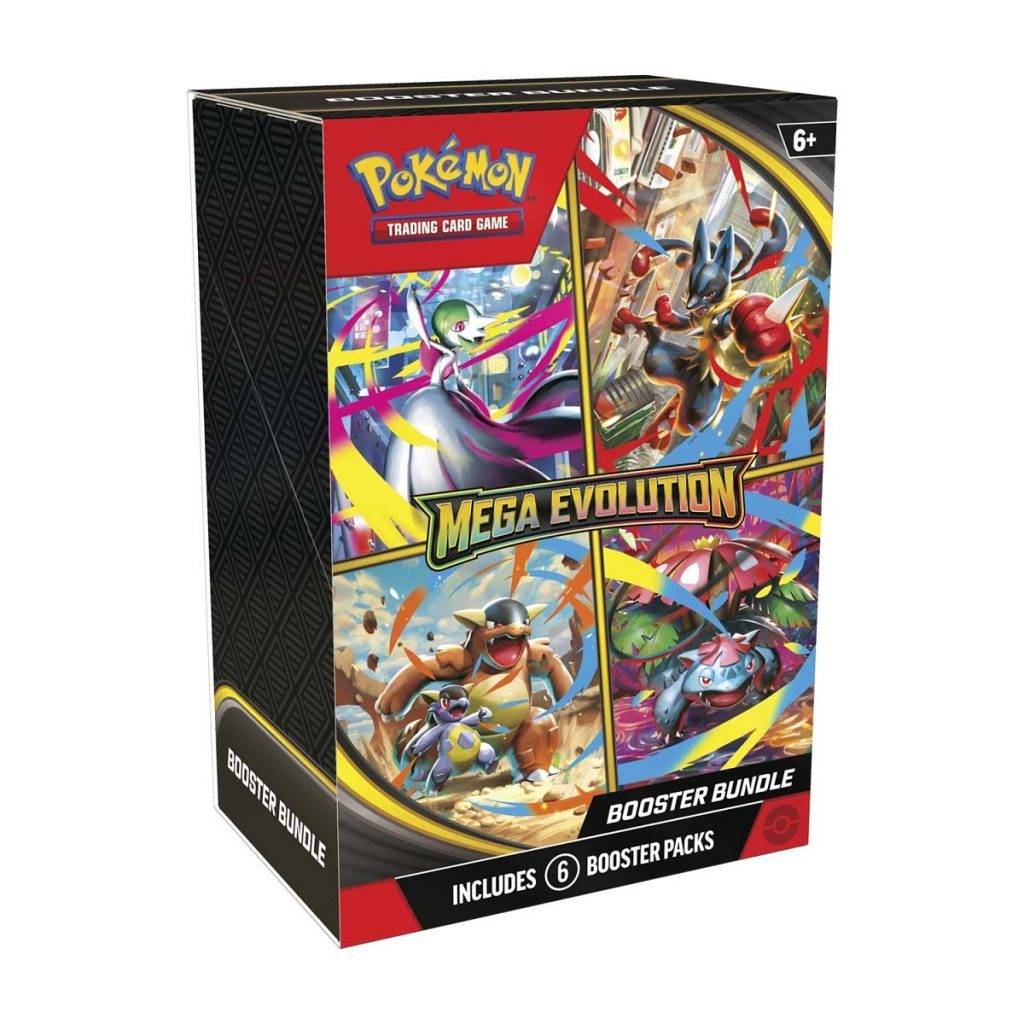
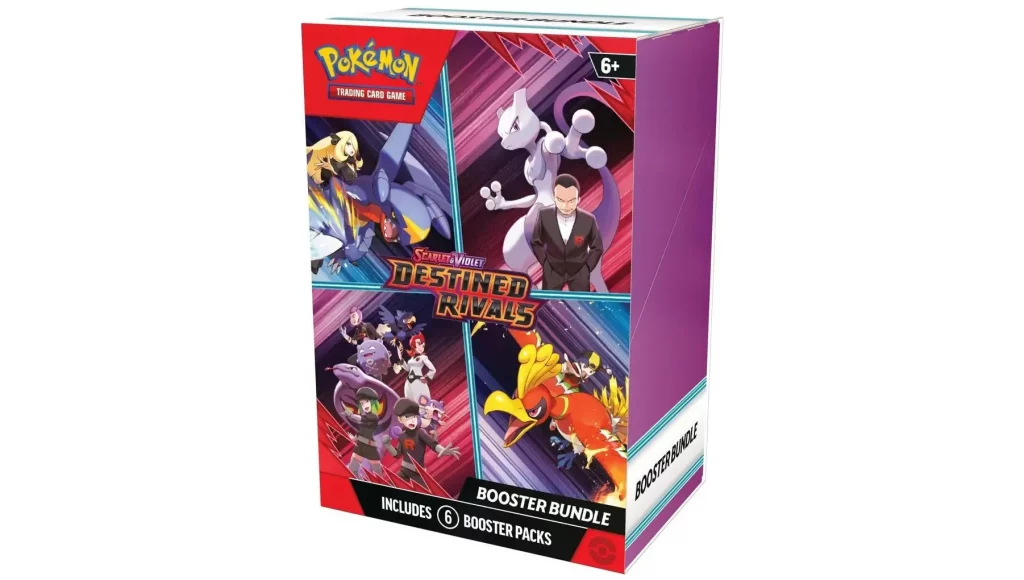
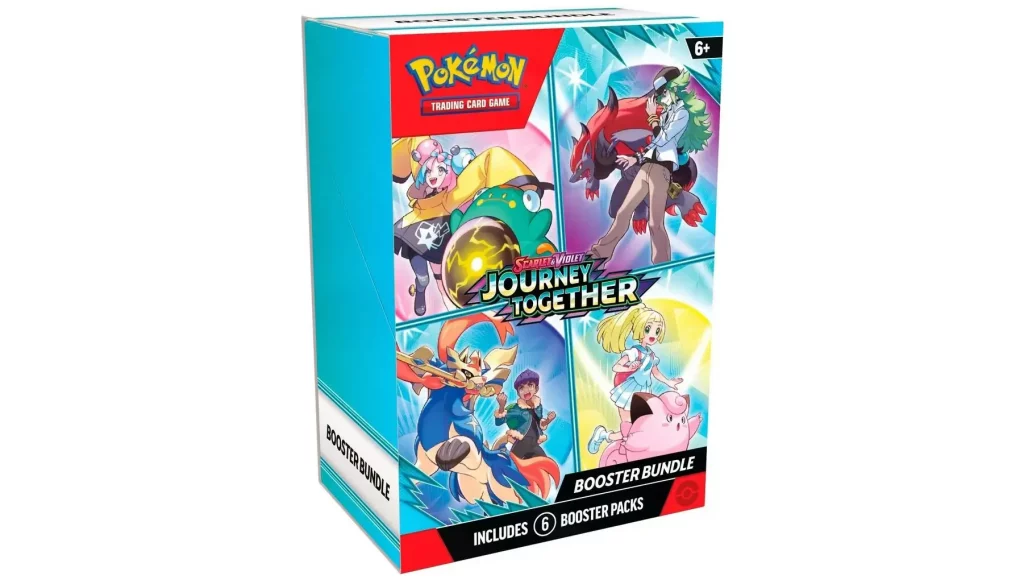
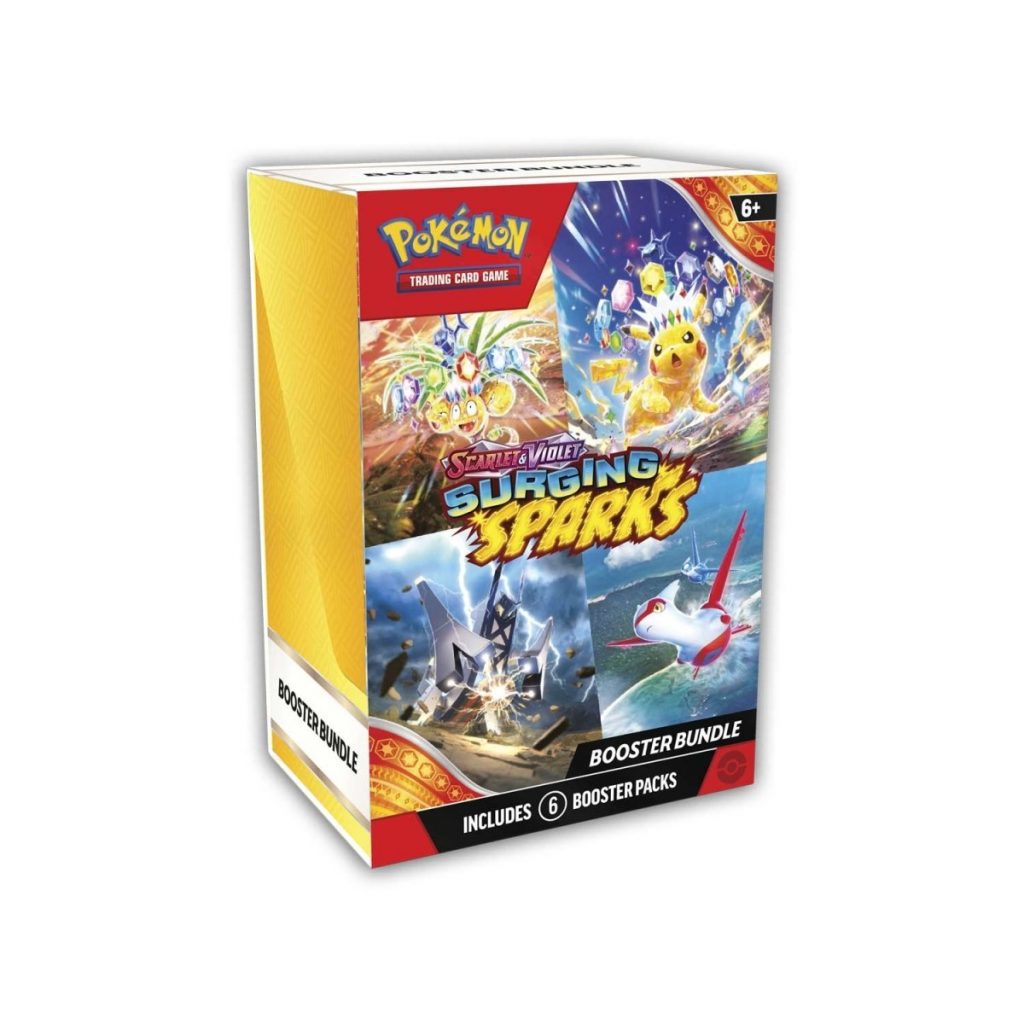
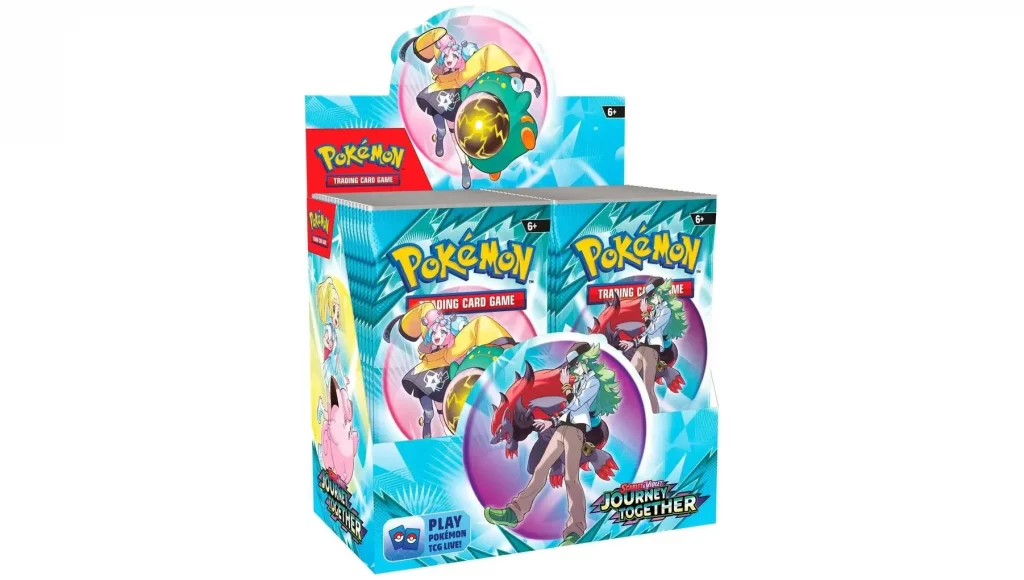
  • Best Booster Bundles (6 Packs) to Invest In 2026 – Top 12 Picks

    Booster Bundles—the compact 6-pack sealed products with a mini binder/portfolio—are one of the smartest, lowest-risk investments in Pokémon TCG right now. Learn more about Pokemon Cards At $28–$30 MSRP, they offer incredible value-per-pack (~$5 each), high ripping EV (IRs 1/9–12 packs), and strong sealed appreciation (50–150% ROI in 12–24 months) due to scarcity and collector appeal. In 2026’s shortage market (Ascended Heroes bundles scalped 60–100%), they’re easier to snag than full boxes and flip faster than ETBs. Here’s our top 12 Booster Bundles to stack now, ranked by ROI potential, current resale (TCGPlayer Feb 2026 averages), and chase value—focus on MSRP buys via Pokémon Center/Walmart.

    Top 12 Booster Bundles for 2026 Investment

    RankSetMSRPCurrent Sealed ResaleProjected ROI (12–24 Months)Why Invest?
    1Prismatic Evolutions$28–$30$58–$67100–200%Eevee SIRs (Umbreon ex); undervalued sealed; anniversary nostalgia.
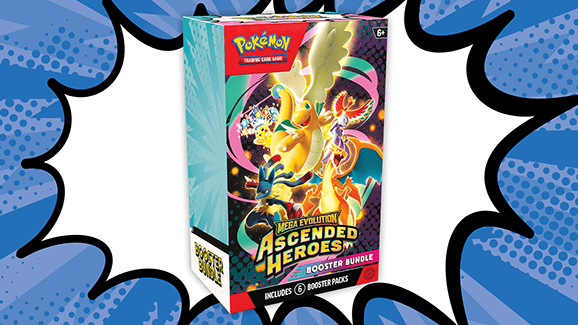
    2Ascended Heroes$28–$30$50–$6580–150%Mega Gengar ex SIR; staggered release scarcity; April 24 launch.
    3Destined Rivals$28–$30$50–$6580–140%Mewtwo ex SIR; SV rotation-proof trainer theme.
    4Surging Sparks$28–$30$45–$6070–130%Pikachu ex SIR; strong EV, post-crash dip.
    5Paldean Fates$28–$30$50–$6560–120%Shiny Charizard; holiday scarcity hold.
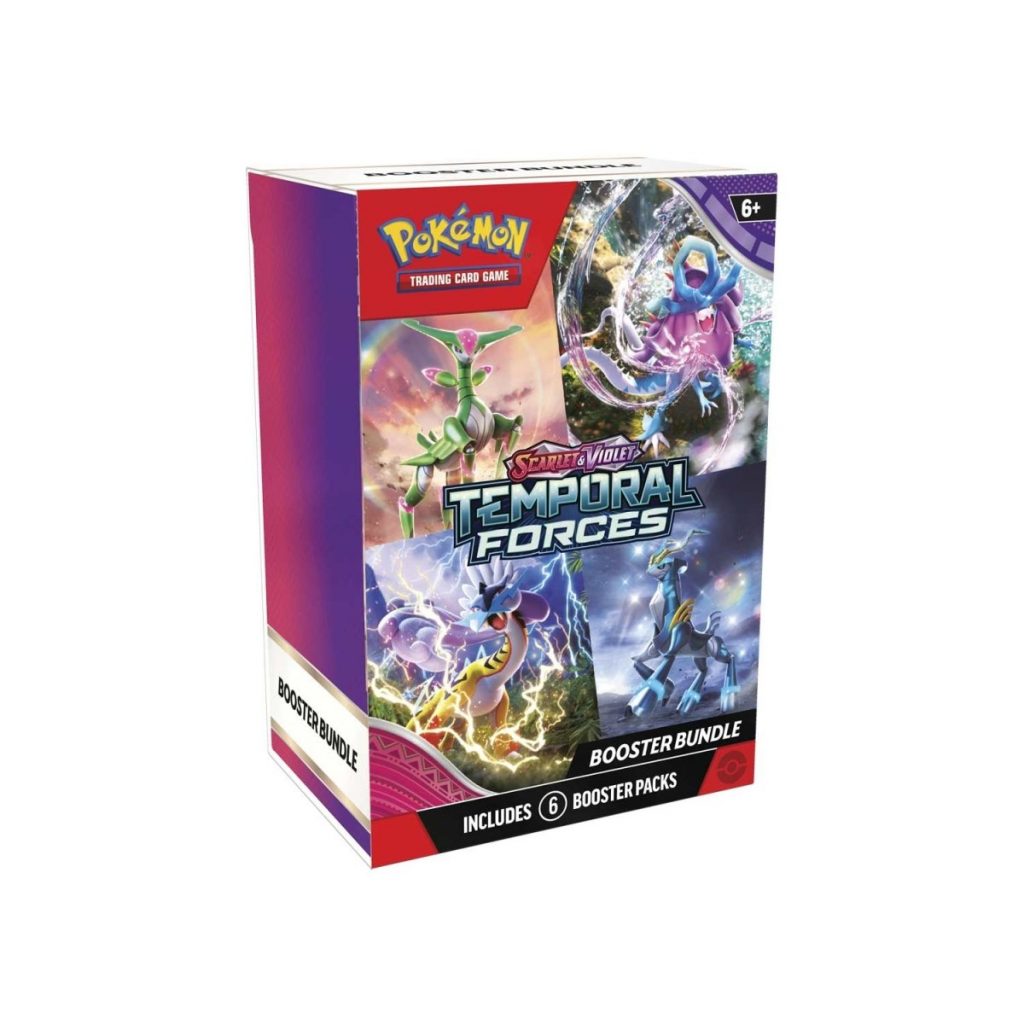
    6Temporal Forces$28–$30$45–$6060–120%Walking Wake SIR; Paradox sleeper.
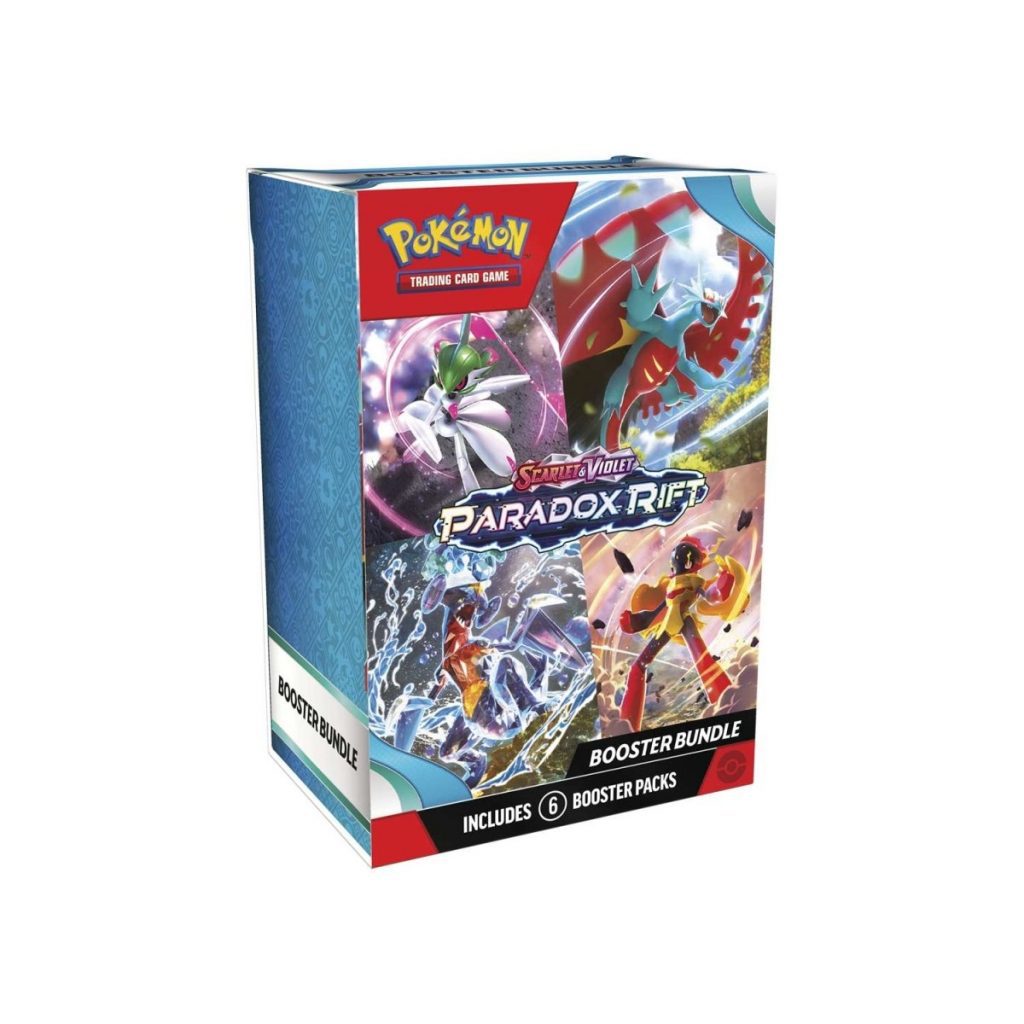
    7Paradox Rift$28–$30$40–$5550–110%Iron Valiant ex; low-pop gems.
    8Obsidian Flames$28–$30$40–$5550–110%Tera Charizard ex; fire meta hold.
    9Crown Zenith (SWSH)$28–$30$50–$7070–130%Shiny vault; SWSH swan song nostalgia.
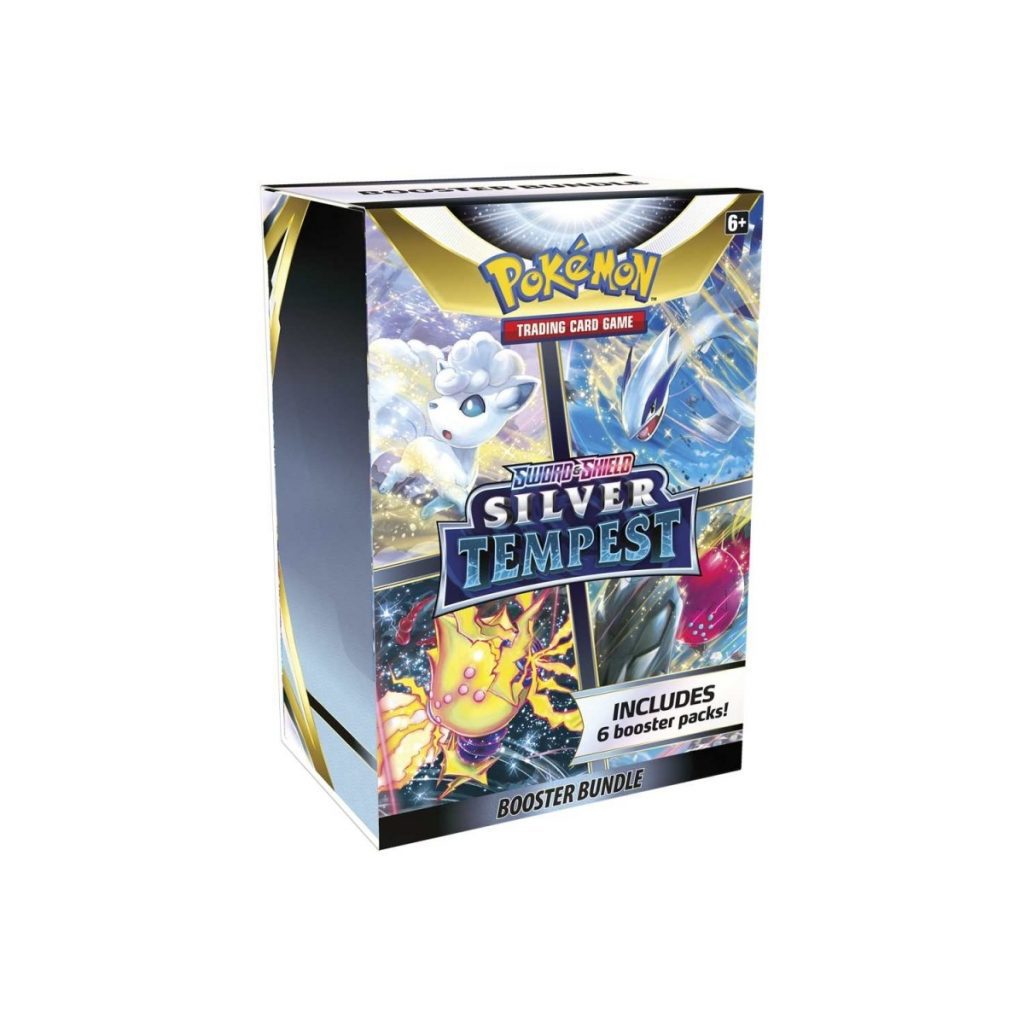
    10Silver Tempest (SWSH)$28–$30$45–$6060–120%Lugia VSTAR; rotation value.
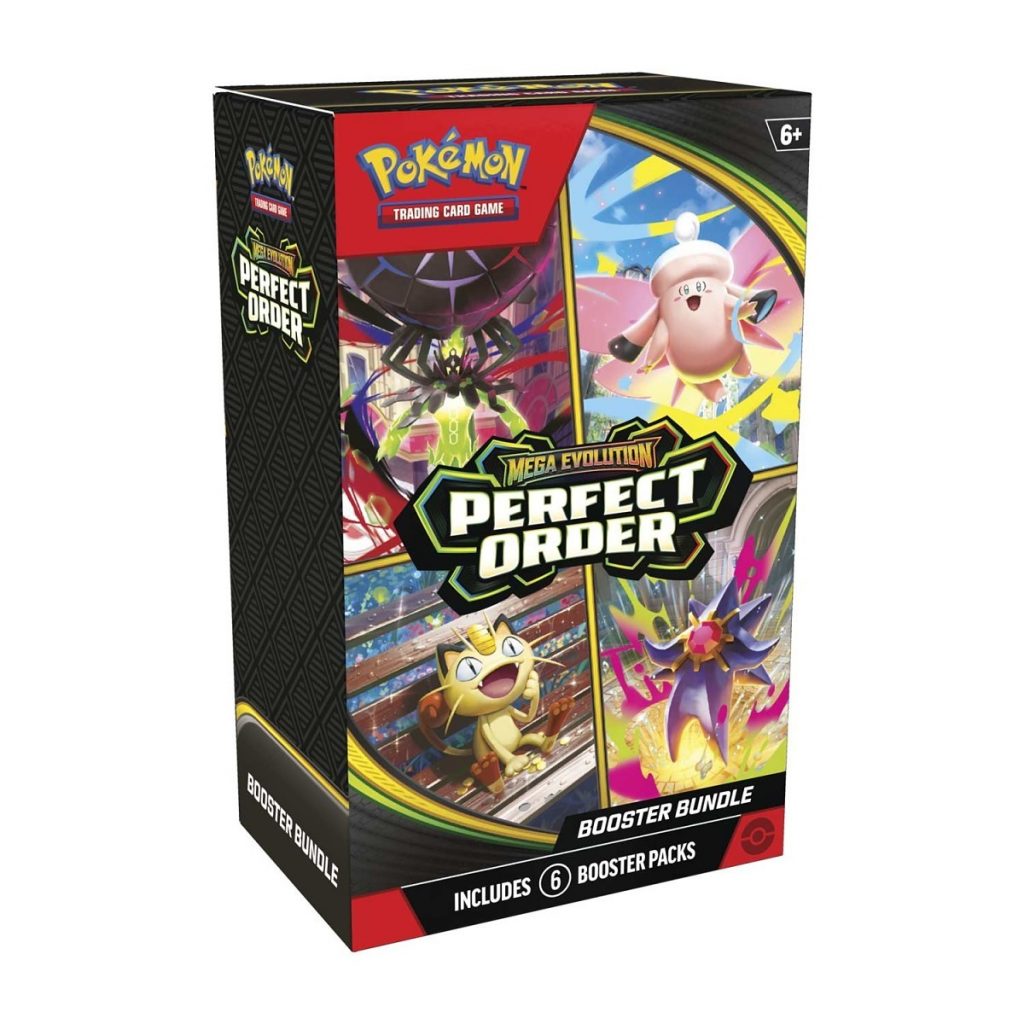
    11Perfect Order (Predicted)$28–$30$50–$70 (proj.)80–150%Mega Zygarde ex; March 27 launch hype.
    12Chaos Rising (Predicted)$28–$30$50–$70 (proj.)80–150%Greninja SIR; May 22 ninja frenzy.

    Investment Strategy: Prioritize Prismatic/Ascended/Destined (top ROI); stack 5–10 at MSRP ($140–$300 total). Hold sealed 12–24 months; flip 20% on spikes. Shortages boost gains—hunt Walmart/Amazon restocks.

    Booster Bundles (6 Packs) vs Booster Boxes (36 Packs): Price Per Pack Breakdown

    When deciding between Booster Bundles (6 packs + mini binder, $28–$30 MSRP) and Booster Boxes (36 packs, $144–$160 MSRP) for sets like Ascended Heroes or Perfect Order, the price per pack is a key metric—Bundles clock in at ~$4.67–$5 per pack, while Boxes are slightly cheaper at ~$4–$4.44 per pack. That $0.50–$1 savings per pack on Boxes adds up to $18–$36 over a full box equivalent, making volume rips more efficient for master sets or god pack hunting. However, Bundles win on accessibility—no $150 upfront commitment means beginners can stack 5 ($140 total) for the same pack volume as one Box, with the binder adding utility for organizing pulls.

    ProductMSRP TotalPacksPrice Per PackBest For
    Booster Bundle$28–$306$4.67–$5Beginners, flips, storage
    Booster Box$144–$16036$4–$4.44Volume rips, long holds

    Boxes edge ROI (80–150% sealed vs Bundles’ 60–120%) due to scarcity and display appeal, but Bundles flip faster (50–100% in weeks). Diversify: 1 Box + 2 Bundles for balanced entry.

    Booster Bundles: The Smart Second Choice When Booster Boxes Are Scarce or Not Yet Released

    Booster Bundles (6 packs + mini binder, $28–$30 MSRP) become the absolute best second choice whenever booster boxes (36 packs, $144–$160 MSRP) are either sold out, scalped at premiums, or simply not released yet in a staggered rollout like Ascended Heroes or the upcoming Perfect Order. In February 2026, Ascended Heroes booster boxes still aren’t widely available (no confirmed date beyond speculation), while Bundles are hitting shelves and restocking more reliably—making them the only realistic way to get meaningful pack volume at or near MSRP right now. This scarcity pattern repeats across hype sets: boxes vanish in minutes on preorder day, leaving collectors paying 50–100% markups on secondary markets, whereas Bundles are easier to grab in stores or online (Walmart, Target, Pokémon Center restocks) because they’re lower-profile and less scalper-targeted.

    The value proposition is unbeatable when boxes are out of reach. At ~$4.67–$5 per pack, Bundles deliver almost the same per-pack cost as boxes (~$4–$4.44) but with a fraction of the upfront commitment—buy 6 Bundles ($168–$180) for the same 36 packs as one box, plus a mini binder for sorting pulls. That binder alone adds utility: it holds 60–90 cards, perfect for organizing IRs, promos, or early master-set progress without needing a full binder setup. For beginners or budget collectors, this means you can start ripping and building immediately instead of waiting months for box availability or paying inflated prices. In practice, Ascended Heroes Bundles are already flipping for $50–$65 sealed (60–100% ROI), and Perfect Order Bundles (March 27) are expected to follow the same path—quick resale or long hold with minimal risk.

    Even when booster boxes do become available, Bundles remain a strong side play for diversification. They’re easier to store (smaller footprint), ship (lighter for trades), and flip (lower entry price attracts more buyers). The 6-pack format also reduces variance—if you open a cold box (no hits), it hurts less than a cold full box. In shortage-heavy markets like 2026, where ETBs and boxes are one-per-customer and sell out instantly, Bundles give you consistent access to packs at retail—letting you stack 10–20 without breaking the bank while boxes remain elusive. When the inevitable correction hits (prices drop 20–40% post-wave), Bundles appreciate faster because of lower entry cost and higher turnover.

    Bottom line: If booster boxes are unavailable due to shortage, delayed release, or scalping, Booster Bundles are not just a fallback—they’re often the superior choice for value, accessibility, and flexibility. Grab them at MSRP whenever you see them; they’re the quiet winners in a market where big boxes are always the first to disappear.

    Investing in Sealed Cases of Booster Bundles (10 Bundles Per Case)

    Sealed cases of Booster Bundles—typically 10 bundles per case (60 packs total, $280–$300 MSRP)—are a powerhouse investment play for serious collectors in 2026, offering bulk volume at a slight discount per bundle while amplifying scarcity and resale potential. These cases are rarely available at retail (Pokémon Center/GameStop limited drops), making them harder to find than single bundles but rewarding for those who secure them. With sets like Ascended Heroes and Perfect Order facing shortages, cases turn into quick flips (50–100% ROI in 3–6 months) or long holds (100–200% in 12–24 months) as print runs end.

    Pros:

    • Bulk Discount & Value: $28–$30 per bundle drops to $25–$28 effective MSRP in cases—save $20–$50 total vs singles, with 60 packs for ripping/master sets.
    • Higher ROI & Liquidity: Cases appreciate faster than singles (e.g., Prismatic cases up 120% sealed); easier to flip on TCGPlayer/eBay as “factory sealed case.”
    • Scarcity Premium: Limited production = moonshot potential; Ascended cases projected $500–$700 resale.
    • Storage Efficiency: Stackable box protects all 10; less space than 2 booster boxes.

    Cons:

    • High Upfront Cost: $280–$300 ties up capital—risky if set flops or reprints hit.
    • Availability Nightmare: Sell out in seconds; scalped 50–100% over MSRP.
    • Storage Bulk: Takes shelf space (like a small box); humidity control essential.
    • Variance Risk: No promos/extras; cold case hurts more than singles.

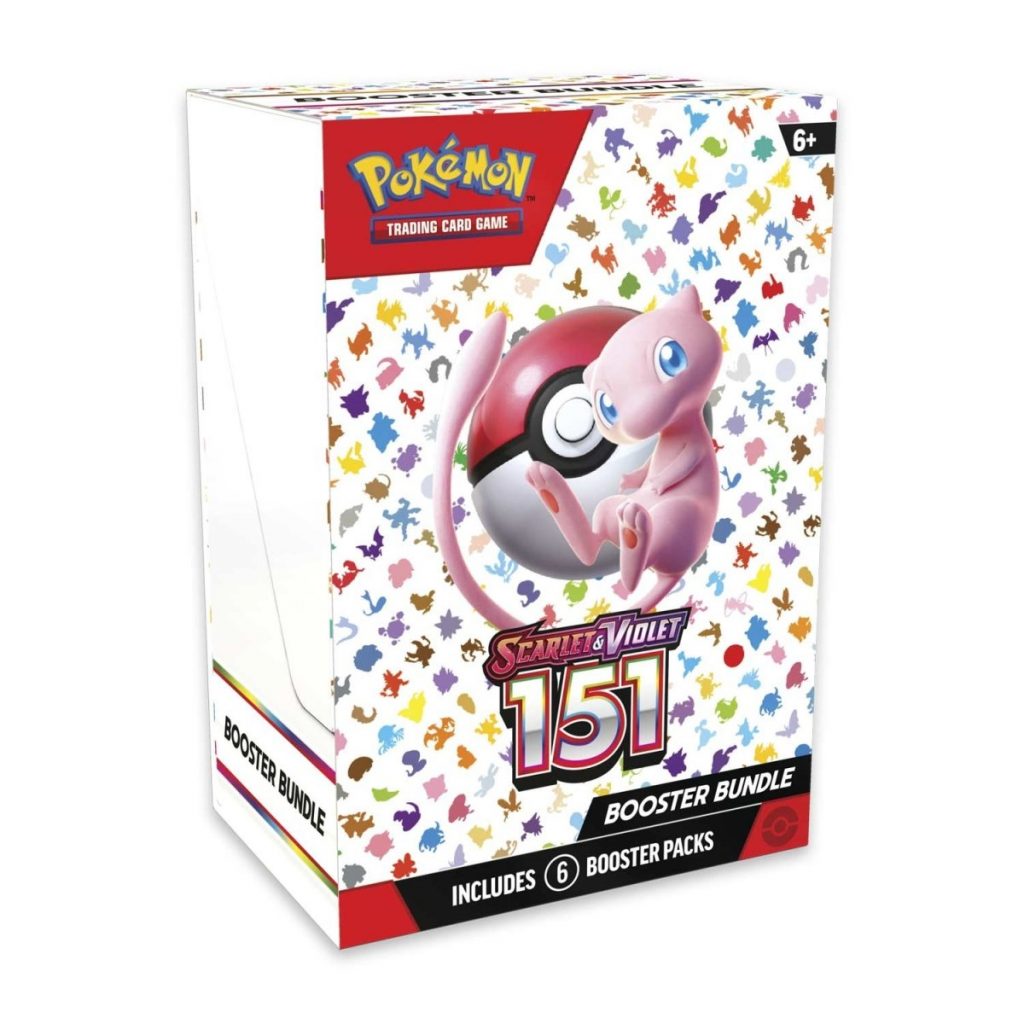
    The Best Cases to Invest In: Prismatic Evolutions & 151 Booster Bundles

    When it comes to sealed cases of Booster Bundles (10 bundles = 60 packs per case) in 2026, Prismatic Evolutions and 151 stand out as the two strongest long-term investment cases available right now. Both sets have already proven their staying power, benefit from Eevee and original 151 nostalgia, and continue to see steady sealed appreciation as supply dries up and the 30th anniversary keeps collector demand high.

    Prismatic Evolutions Booster Bundles Cases are currently the top pick for upside potential. These cases originally retailed around $280–$300 (10 × $28–$30 bundles) and are now reselling sealed for $580–$670 on TCGPlayer and eBay (roughly double original cost). The Eeveelution SIRs (Umbreon ex, Sylveon ex, Vaporeon ex) remain some of the most iconic modern chase cards, with PSA 10s holding strong even after the initial post-launch dip. Cases are particularly attractive because they’re harder to find than single bundles, and the 60-pack volume gives you excellent ripping odds for shiny vault hits or god packs while the sealed case itself appreciates faster than individual bundles due to rarity. With Prismatic now a year old and print runs long finished, these cases are positioned for another 80–150% leg up in the next 12–24 months as anniversary nostalgia and SV rotation push demand higher.

    151 Booster Bundles Cases are the safer, more proven hold and still offer excellent value. These originally cost $280–$300 for 10 bundles and now trade sealed for $500–$620 (70–100% gains already). The 151 set’s original 151 Pokémon focus, with its Master Ball reverse holos and ultra-premium chase cards (Charizard ex SAR, Mew ex SAR), gives it evergreen appeal—similar to how Hidden Fates shiny boxes continue climbing years later. Cases provide the same 60-pack ripping opportunity as Prismatic but with even lower risk: the set is fully out of print, nostalgia is timeless, and sealed 151 product is increasingly hard to source at reasonable prices. Expect 60–120% additional ROI over the next 1–2 years as collectors chase complete master sets and anniversary buyers seek “classic” SV product.

    Both cases are relatively easy to store (smaller footprint than full booster box cases), liquidate quickly on TCGPlayer/eBay, and offer built-in diversification (60 packs = multiple chances at hits). If you can secure either at or near original case pricing (rare but possible via restocks or private sales), they’re among the best sealed investments available right now—Prismatic for higher short-term upside, 151 for safer long-term stability.

    Which case are you leaning toward? Share your sealed plans in r/CardChill on Reddit!

    TCG Sets hub & investment guide. 🚀