CardChill – Pokémon Card News, Reviews & Collecting Insights

Author: Mike Pokemonski

  • Lorcana – What to Expect in 2025?

    Expanding The Lore: New Storylines And Characters In Lorcana 2025

    As we look ahead to 2025, the world of Lorcana is shaping up to be more vibrant and immersive than ever. With its unique blend of Disney magic and strategic gameplay, Lorcana has already captured the hearts of fans worldwide. But if the whispers and hints from Ravensburger are anything to go by, the next few years are going to take us even deeper into the lore, introducing new storylines and characters that will expand the game’s universe in exciting ways. So, what can we expect? Let’s dive into the possibilities.

    First off, it’s clear that Lorcana is more than just a trading card game—it’s a storytelling platform. The game’s foundation is built on the idea of Illumineers, magical beings who wield the power of ink to summon beloved Disney characters into the Great Illuminary. While the initial sets have focused on introducing us to this concept and showcasing familiar faces like Mickey Mouse, Elsa, and Stitch, 2025 seems poised to push the narrative further. Fans have been speculating about what lies beyond the Great Illuminary, and it wouldn’t be surprising if new expansions start to explore the origins of the Illumineers themselves. Who are they? Where did they come from? And what role do they play in the larger Disney multiverse? These are questions that could open up a treasure trove of storytelling opportunities.

    Adding to the excitement is the potential for new characters to make their debut in Lorcana. While the game has done a fantastic job of reimagining classic Disney icons in fresh and creative ways, there’s still so much untapped potential within Disney’s vast catalog. Imagine seeing characters from lesser-known films like *Atlantis: The Lost Empire* or *Treasure Planet* finally getting their moment in the spotlight. Or perhaps we’ll see the introduction of entirely original characters created specifically for Lorcana’s lore. This would be a bold move, but one that could help the game carve out its own identity while still staying true to its Disney roots. After all, the idea of blending nostalgia with innovation is what makes Lorcana so special in the first place.

    Of course, new storylines and characters also mean new gameplay mechanics. As the lore expands, it’s likely that we’ll see fresh ways to interact with the cards and the world they represent. Maybe we’ll get cards that allow players to explore different “realms” within the Great Illuminary, each with its own unique rules and challenges. Or perhaps new types of ink will be introduced, adding even more layers of strategy to the game. Whatever the case, it’s safe to say that Ravensburger will continue to find creative ways to tie the gameplay to the evolving narrative, ensuring that every new expansion feels like a meaningful addition to the Lorcana experience.

    And let’s not forget the community. One of the most exciting aspects of Lorcana’s growth is how it brings people together, whether through local tournaments, online discussions, or fan-created content. As the lore deepens and new characters are introduced, it’s easy to imagine fans coming up with their own theories, stories, and artwork to fill in the gaps. This kind of engagement not only keeps the game alive but also makes it feel like a shared journey—a journey that we’re all taking together, one inked card at a time.

    So, as we look toward 2025, there’s a lot to be excited about. With new storylines, characters, and gameplay possibilities on the horizon, Lorcana is set to become even more magical. Whether you’re a casual player or a die-hard fan, one thing is certain: the adventure is just getting started.

    Innovative Gameplay Mechanics: What Lorcana Fans Can Anticipate In 2025

    As Lorcana continues to capture the hearts of trading card game enthusiasts around the world, fans are already buzzing with excitement about what the future holds for this enchanting Disney-inspired game. With its unique blend of strategy, storytelling, and beloved characters, Lorcana has carved out a special place in the TCG landscape. Looking ahead to 2025, it’s hard not to wonder how the game will evolve, especially when it comes to innovative gameplay mechanics. While nothing is set in stone, there are plenty of reasons to believe that Lorcana will continue to surprise and delight its players with fresh ideas that keep the experience magical.

    One of the most exciting possibilities for Lorcana’s future is the introduction of new mechanics that deepen the strategic elements of the game. Since its launch, Lorcana has been praised for its accessibility, making it easy for newcomers to jump in while still offering enough complexity to keep seasoned players engaged. By 2025, we could see the game take this balance even further, perhaps by introducing mechanics that allow for more dynamic interactions between players. Imagine cards that let you temporarily “borrow” abilities from your opponent’s characters or new ways to manipulate the inkwell system to create unexpected twists during gameplay. These kinds of mechanics could add layers of strategy without overwhelming players, keeping the game fresh and exciting.

    Another area where Lorcana could innovate is in how it incorporates its rich Disney heritage into gameplay. The current card sets already do a fantastic job of bringing iconic characters and stories to life, but there’s so much more potential to explore. By 2025, we might see mechanics that tie directly into specific Disney themes or genres. For example, a set inspired by Disney villains could introduce mechanics that reward cunning and deception, while a set focused on Disney princesses might emphasize teamwork and resilience. These thematic mechanics could not only make the game more immersive but also give players new ways to connect with their favorite Disney stories.

    Of course, innovation doesn’t have to stop at the cards themselves. Lorcana could also experiment with new formats and modes of play that shake up the traditional TCG experience. By 2025, we might see cooperative gameplay options where players team up to take on challenging scenarios, perhaps inspired by classic Disney adventures. Alternatively, there could be rotating seasonal mechanics that change the way the game is played for a limited time, keeping things fresh and encouraging players to adapt their strategies. These kinds of innovations could make Lorcana feel like more than just a card game—it could become a living, evolving experience that players look forward to exploring year after year.

    Finally, it’s worth considering how technology might play a role in Lorcana’s evolution. While the game is firmly rooted in the tactile joy of physical cards, there’s no reason it couldn’t embrace digital tools to enhance the experience. By 2025, we might see companion apps that offer interactive tutorials, track collections, or even provide augmented reality features that bring cards to life in new and exciting ways. These kinds of digital enhancements could make the game more accessible to a wider audience while still preserving the charm of its physical format.

    As we look ahead to 2025, it’s clear that the possibilities for Lorcana are as vast as the Disney universe itself. Whether through new mechanics, thematic innovations, or entirely new ways to play, the game has endless potential to grow and evolve. For fans, the real magic lies in the anticipation—knowing that the best is yet to come and that Lorcana will continue to surprise us in ways we can’t yet imagine.

    Global Tournaments And Community Growth: Lorcana’s Competitive Scene In 2025

    As we look ahead to 2025, the competitive scene for Disney Lorcana is shaping up to be something truly magical. Since its debut, Lorcana has captured the hearts of players around the world with its enchanting blend of strategy, storytelling, and beloved Disney characters. By 2025, the game’s competitive landscape is expected to be thriving, with global tournaments and a vibrant community at its core. For fans and players alike, there’s a lot to be excited about as Lorcana continues to grow and evolve.

    One of the most anticipated developments is the expansion of Lorcana’s global tournament circuit. Over the past few years, the game has steadily built a reputation as a serious contender in the trading card game (TCG) world, and by 2025, it’s likely that we’ll see a well-established competitive structure in place. Regional qualifiers, national championships, and even a world championship could become staples of the Lorcana calendar, giving players of all skill levels a chance to test their decks and strategies on a grand stage. The idea of traveling to compete with other Illumineers from across the globe is thrilling, and it’s easy to imagine the excitement of seeing players from different countries come together, united by their love for the game.

    Of course, the competitive scene isn’t just about the tournaments themselves—it’s also about the community that forms around them. By 2025, Lorcana’s player base is expected to be larger and more diverse than ever, with local game stores and online platforms serving as hubs for players to connect, practice, and share their passion. Weekly events like casual meetups and store championships will likely continue to play a key role in fostering a sense of camaraderie among players. These smaller gatherings are often where friendships are formed, rivalries are sparked, and new strategies are born, making them an essential part of the Lorcana experience.

    Another exciting aspect of Lorcana’s competitive growth is the potential for innovative formats and gameplay options. While standard constructed play will likely remain the cornerstone of competitive events, there’s plenty of room for creativity. Draft and sealed formats could gain popularity, offering players a fresh way to engage with the game and test their skills. Additionally, we might see the introduction of unique event formats that tie into Disney’s rich storytelling tradition, such as themed tournaments based on specific movies or characters. These kinds of events could add an extra layer of fun and immersion, appealing to both competitive players and casual fans.

    As the competitive scene grows, so too will the opportunities for content creators and influencers to contribute to the community. By 2025, we can expect to see even more deck-building guides, gameplay tutorials, and tournament coverage available online, making it easier than ever for new players to dive in and learn the ropes. This kind of content not only helps players improve but also strengthens the sense of connection within the community, as fans come together to celebrate their shared love for Lorcana.

    Ultimately, the future of Lorcana’s competitive scene in 2025 looks incredibly bright. With global tournaments, a thriving community, and endless possibilities for innovation, the game is poised to continue enchanting players of all ages. Whether you’re a seasoned competitor or a casual fan, there’s no doubt that the next few years will be an exciting time to be part of the Lorcana world. So, grab your favorite deck, shuffle up, and get ready for the adventure ahead—because the magic of Lorcana is only just beginning.

    Discover the Future of Lorcana: What to Expect in 2025! Click here to learn more.

  • Pokemon Trading Cards – Top 10 Cards from sets in 2024

    Discover the Top 10 Pokémon Trading Cards from 2024 Sets! Don’t miss out on the hottest cards of the year. Check them out now!

    Top 10 Rare Cards From the 2024 Scarlet & Violet Expansion

    The Pokémon Trading Card Game continues to captivate fans worldwide, and 2024 has been no exception. With the release of the Scarlet & Violet expansions, collectors and players alike have been buzzing about the incredible cards introduced this year. From stunning artwork to powerful abilities, these cards have quickly become some of the most sought-after treasures in the Pokémon TCG. If you’re curious about which ones have risen to the top, we’ve got you covered. Let’s dive into the top 10 rare cards from the 2024 Scarlet & Violet expansions that everyone’s talking about.

    First up, we have the dazzling *Terastal Charizard EX (Crystal Blaze)*. Charizard cards are always a fan favorite, but this one takes it to another level with its unique Terastal form and breathtaking crystal-like artwork. Not only does it look amazing, but its ability to deal massive damage while reducing incoming attacks makes it a powerhouse in competitive play. It’s no wonder this card has become a must-have for collectors and battlers alike.

    Next on the list is *Miraidon EX (Shimmering Circuit)*, a card that perfectly captures the futuristic vibe of the Scarlet & Violet era. This card’s holofoil design is mesmerizing, and its ability to accelerate Lightning Energy to your Pokémon makes it a staple in many decks. Whether you’re building a competitive strategy or just want a card that stands out in your collection, Miraidon EX is a top contender.

    Another standout is *Glimmora EX (Luminous Bloom)*, which has quickly gained popularity for its unique ability to spread status conditions across your opponent’s team. The card’s vibrant artwork, featuring Glimmora surrounded by glowing flowers, is a visual treat. It’s both beautiful and strategic, making it a favorite among players who love to disrupt their opponents’ plans.

    Of course, we can’t forget *Armarouge EX (Infernal Guard)*. This card has been making waves thanks to its ability to redirect damage from your Benched Pokémon, offering a layer of protection that can turn the tide of a match. The fiery artwork, combined with its practical utility, has made Armarouge EX a standout card in the Scarlet & Violet expansions.

    For fans of Legendary Pokémon, *Terapagos EX (Prismatic Shell)* is a card that’s hard to ignore. Its ability to manipulate Energy types gives it incredible versatility, and its rainbow-like holofoil design is absolutely stunning. This card has quickly become a favorite for collectors who appreciate both its beauty and its strategic potential.

    Another card that’s been making headlines is *Iron Valiant EX (Blade of Eternity)*. This futuristic Paradox Pokémon boasts a sleek design and an ability that allows it to deal extra damage to Pokémon V and EX, making it a valuable asset in competitive play. Its sharp, metallic artwork perfectly complements its name and theme.

    On the more whimsical side, *Dudunsparce EX (Endless Tunnel)* has charmed fans with its playful design and surprisingly effective ability to shuffle itself back into the deck while healing damage. It’s a card that’s as fun to play as it is to look at, and it’s quickly become a fan favorite.

    For those who love a good underdog story, *Clodsire EX (Toxic Marsh)* has emerged as a sleeper hit. Its ability to poison opponents while tanking hits makes it a surprisingly effective card in certain strategies. Plus, its earthy, swamp-themed artwork is a refreshing change of pace.

    Rounding out the list are two incredible Trainer cards: *Professor Sada’s Discovery* and *Professor Turo’s Innovation*. These Full Art cards not only feature stunning illustrations of the professors but also offer game-changing effects that can swing matches in your favor. Whether you’re a fan of Scarlet or Violet, these cards are a must-have for any serious collector.

    With so many amazing cards in the 2024 Scarlet & Violet expansions, it’s no surprise that the Pokémon TCG continues to thrive. Whether you’re in it for the competitive edge or the sheer joy of collecting, these top 10 rare cards are sure to make your journey even more exciting. Happy hunting!

    Top 10 Most Valuable Cards From the 2024 Pokémon Anniversary Set

    The Pokémon Trading Card Game has been a beloved hobby for fans of all ages since its debut in the late 1990s, and 2024 has proven to be an especially exciting year for collectors. With the release of the Pokémon 2024 Anniversary Set, fans have been treated to a stunning collection of cards that celebrate the franchise’s rich history while introducing fresh designs and mechanics. Among the many treasures in this set, a handful of cards have quickly risen to the top in terms of value, rarity, and sheer desirability. Whether you’re a seasoned collector or just getting started, these top 10 most valuable cards from the 2024 Anniversary Set are worth keeping an eye on.

    Kicking off the list is the highly sought-after Pikachu 2024 Gold Edition card. As the mascot of the franchise, Pikachu has always been a fan favorite, and this card takes things to the next level with its shimmering gold foil design and intricate artwork. It’s no surprise that collectors are scrambling to add this card to their binders, as it perfectly captures the spirit of the anniversary celebration. Transitioning from Pikachu, another standout is the Charizard EX Full Art card, which features a dynamic pose and vibrant colors that make it a showstopper. Charizard cards have always been a hot commodity, and this one is no exception, with its powerful stats and stunning design making it a must-have for both players and collectors.

    Moving on, the Mewtwo VMAX Alternate Art card has also captured the hearts of fans. This card showcases Mewtwo in a breathtaking cosmic setting, surrounded by swirling galaxies and a sense of mystery that perfectly suits the legendary Pokémon. Its rarity and artistic appeal have made it one of the most valuable cards in the set. Speaking of legendary Pokémon, the Lugia Holofoil Anniversary Edition card is another gem. With its sleek, minimalist design and nostalgic nod to Lugia’s original appearance in the Neo Genesis set, this card is a beautiful blend of old and new.

    Transitioning to another fan favorite, the Eevee Evolutions Special Collection card is a unique addition to the set. This card features all eight of Eevee’s evolutions in a single, panoramic artwork that spans across the card’s surface. It’s a celebration of the diversity and charm of these beloved Pokémon, and its rarity has made it a prized possession for collectors. On a similar note, the Gengar VMAX Ghostly Glow card has been turning heads with its eerie yet captivating design. Gengar’s mischievous personality shines through in this card, which glows faintly under UV light—a clever touch that has collectors buzzing.

    As we continue, the Arceus Starburst Rare card deserves a mention. Representing the creator of the Pokémon universe, this card features a dazzling starburst pattern that makes it stand out in any collection. Its rarity and symbolic significance have made it a top-tier card in the set. Another card that has gained attention is the Celebi Time Travel Holo, which features a whimsical design that plays with the concept of time, a fitting tribute to Celebi’s lore.

    Rounding out the list are two final heavy hitters: the Rayquaza EX Dragon’s Ascent card and the Umbreon Dark Moon Secret Rare. Rayquaza’s card boasts a dynamic pose and a fiery background that captures its legendary status, while Umbreon’s card features a stunning nighttime scene with a crescent moon, making it a favorite among fans of dark-type Pokémon. Both cards are incredibly rare and have become instant classics in the 2024 Anniversary Set.

    With so many incredible cards to choose from, the 2024 Pokémon Anniversary Set has truly delivered something special for fans and collectors alike. Whether you’re hunting for these top-tier cards or simply enjoying the thrill of opening packs, this set is a celebration of everything that makes Pokémon so magical.

    Top 10 Competitive Cards From the 2024 Standard Format

    The Pokémon Trading Card Game continues to evolve with every new set, and 2024 has already delivered some incredible cards that are shaking up the competitive scene. Whether you’re a seasoned player or just getting into the game, it’s always exciting to see which cards rise to the top in the Standard format. This year, we’ve seen a mix of powerful attackers, versatile support Pokémon, and game-changing Trainer cards that have made their mark in tournaments. Let’s dive into the top 10 competitive cards from the 2024 Standard format and explore why they’re dominating the meta.

    First up, we have *Charizard ex* from the “Obsidian Flames” set, which has been a consistent powerhouse. Its “Infernal Blaze” attack dishes out massive damage, and with the right Energy acceleration, it can take down even the bulkiest Pokémon in one hit. Pair it with cards like Arceus VSTAR for Energy setup, and you’ve got a deck that’s both fast and devastating. Speaking of Arceus VSTAR, it remains a staple in many decks thanks to its “Starbirth” Ability, which lets you search for any two cards. This level of consistency is unmatched, making it a must-have for competitive players.

    Another standout is *Gardevoir ex* from “Scarlet & Violet.” This Psychic-type Pokémon has been a fan favorite since its release, and for good reason. Its “Psychic Embrace” Ability allows you to attach extra Energy from your discard pile to your Pokémon, enabling explosive turns. Combine this with Zacian V for a hard-hitting combo that can swing games in your favor. On the topic of Energy acceleration, *Miraidon ex* from “Violet ex” has also been a game-changer. Its “Tandem Unit” Ability lets you search your deck for two Basic Lightning Pokémon and put them onto your Bench, setting up your board in no time.

    Moving on to Trainer cards, *Professor’s Research* continues to be a staple in every deck. The ability to discard your hand and draw seven cards is invaluable for digging through your deck and finding the pieces you need. Another Trainer card making waves is *Iono*, which shuffles both players’ hands into their decks and lets them draw cards equal to their remaining Prize cards. This disruptive effect can completely turn the tide of a game, especially when your opponent is ahead.

    For those who love tanky Pokémon, *Chien-Pao ex* from “Paldea Evolved” has been a standout. Its “Hail Blade” attack can deal massive damage by discarding Water Energy, and with Baxcalibur’s “Super Cold” Ability, you can easily reload your Energy each turn. Similarly, *Ting-Lu ex* has carved out a niche with its Ability that shuts down the Abilities of damaged Pokémon on your opponent’s Bench, making it a great counter to Ability-heavy decks.

    Rounding out the list are *Lost Box* staples like *Comfey* and *Cramorant*, which continue to thrive in the 2024 meta. Comfey’s “Flower Selecting” Ability helps you dig through your deck while fueling the Lost Zone, and Cramorant’s free attack is perfect for early-game pressure. Finally, we can’t forget *Path to the Peak*, a Stadium card that shuts down Rule Box Pokémon’s Abilities. It’s a simple yet effective way to disrupt decks that rely on cards like Miraidon ex or Genesect V.

    With so many strong options in the 2024 Standard format, the competitive scene feels more dynamic than ever. Whether you’re building around Energy acceleration, disruptive strategies, or raw power, there’s something for everyone in this year’s meta. So grab your favorite cards, fine-tune your deck, and get ready to battle—it’s shaping up to be an exciting year for Pokémon TCG!

  • What is the strongest and the weakest Pokémon card?

    Discover the strongest and weakest Pokémon cards and elevate your collection today! Explore Card Chill Pokémon Cards.

    Analyzing The Strongest Pokémon Cards In TCG History

    When it comes to the Pokémon Trading Card Game (TCG), the debate over which card is the strongest has been a hot topic among fans for years. With so many cards released since the game’s debut in 1996, it’s no surprise that opinions vary depending on the era, format, and personal experiences of players. However, certain cards have undeniably left their mark on the game, earning a reputation for being incredibly powerful. To truly understand what makes a card “strong,” we need to consider not just its raw stats, but also its abilities, synergy with other cards, and the impact it had on the competitive scene.

    One of the most iconic contenders for the title of strongest Pokémon card is undoubtedly Base Set Charizard. This card is legendary not just for its nostalgic value but also for its sheer power during the early days of the TCG. With a massive 120 HP and the devastating “Fire Spin” attack, which dealt 100 damage, Charizard was a force to be reckoned with. However, its high energy cost and the need to discard two Fire Energy cards to use Fire Spin made it less efficient in competitive play. While it was a fan favorite, it wasn’t necessarily the most practical card in tournaments.

    Fast forward to more modern times, and cards like Mewtwo & Mew-GX have taken the spotlight. This Tag Team GX card is often considered one of the strongest due to its versatile “Perfection” ability, which allows it to use the attacks of any Pokémon-GX or EX on your bench or in your discard pile. This flexibility made it a staple in many competitive decks, as it could adapt to almost any situation. Combined with its high HP and powerful GX attack, Mewtwo & Mew-GX dominated the meta for quite some time, proving that strength isn’t just about raw damage but also about adaptability and strategy.

    On the other hand, some cards are considered strong not because of their individual power but because of the synergy they create within a deck. Take Shaymin-EX, for example. While its HP and attack stats were nothing extraordinary, its “Set Up” ability allowed players to draw cards until they had six in their hand whenever Shaymin-EX was played from the hand onto the bench. This ability made it an essential card in many competitive decks, as it provided incredible consistency and speed. It’s a perfect example of how strength in the Pokémon TCG isn’t always about brute force—it’s also about utility and how a card fits into the bigger picture.

    Of course, for every strong card, there are plenty of weak ones that never quite make an impact. Cards like Magikarp from various sets are often seen as the weakest due to their low HP and lackluster attacks. While Magikarp is a fan favorite for its eventual evolution into the mighty Gyarados, on its own, it’s more of a liability than an asset in most decks. Still, even the weakest cards have their charm, reminding us that not every Pokémon is meant to be a powerhouse.

    Ultimately, the strongest Pokémon card is subjective and depends on how you define “strength.” Is it raw damage, versatility, or the ability to shape the meta? The answer might vary, but one thing is certain: the Pokémon TCG continues to evolve, and with each new set, new contenders for the title of strongest card emerge. Whether you’re a casual collector or a competitive player, the thrill of discovering powerful cards and building strategies around them is what makes the game so exciting.

    Unveiling The Weakest Pokémon Cards And Their Role In The Game

    When it comes to the Pokémon Trading Card Game, most players are naturally drawn to the strongest cards—the ones with high HP, devastating attacks, and abilities that can turn the tide of a match in an instant. But what about the other end of the spectrum? The weakest Pokémon cards often get overlooked, dismissed as useless or unimportant. However, these seemingly underwhelming cards have their own unique role in the game, and understanding them can add a surprising layer of strategy to your deck-building and gameplay.

    Let’s start by defining what makes a Pokémon card “weak.” Typically, this label is given to cards with low HP, minimal attack damage, or abilities that don’t seem particularly impactful. A classic example is Magikarp, a card that has been the butt of many jokes over the years. With its meager HP and attacks that barely scratch the opponent, Magikarp is often seen as a placeholder rather than a powerhouse. Another contender for the title of weakest card is Caterpie, which, in its basic form, doesn’t offer much in terms of offense or defense. These cards are easy to knock out and don’t seem to contribute much to a winning strategy—at least on the surface.

    However, dismissing these cards outright would be a mistake. Weak Pokémon cards often serve as stepping stones to something greater. Take Magikarp, for instance. While it may be laughably weak on its own, it evolves into Gyarados, a card that can be a serious threat in battle. Similarly, Caterpie evolves into Butterfree, which often comes with useful abilities or attacks that can support your team. In this sense, these “weak” cards are essential for building up to stronger, more impactful Pokémon. They’re like the foundation of a house—unassuming, but absolutely necessary.

    Beyond their role in evolution, weak Pokémon cards can also be strategically valuable in other ways. For example, some players use them as “sacrificial” cards to buy time. If you’re in a tough spot and need to stall while setting up your bench or drawing the right cards, throwing out a low-HP Pokémon can give you the breathing room you need. Additionally, some weak cards come with surprisingly useful abilities that can disrupt your opponent’s strategy or provide support to your own team. For instance, Smeargle cards in certain sets have had abilities that allow you to manipulate energy cards, which can be a game-changer in the right situation.

    It’s also worth noting that the definition of “weak” can vary depending on the context of the game. A card that seems underpowered in one deck might shine in another, depending on how it’s used. This is part of what makes the Pokémon TCG so fascinating—every card has potential if you’re creative enough to find it. Even the weakest cards can have a role to play, whether it’s as a stepping stone, a strategic sacrifice, or a surprise disruptor.

    So, while it’s fun to chase after the strongest Pokémon cards, don’t underestimate the value of the weaker ones. They may not win battles on their own, but they’re often the unsung heroes that make victory possible. After all, every great Gyarados starts as a humble Magikarp.

    Strongest Vs. Weakest Pokémon Cards: A Comparative Breakdown

    When it comes to Pokémon cards, the debate over which is the strongest and which is the weakest has been a hot topic among fans for years. Whether you’re a seasoned collector, a competitive player, or just someone who enjoys the nostalgia of flipping through a binder of cards, it’s fascinating to explore the extremes of the Pokémon Trading Card Game. While the definition of “strongest” and “weakest” can vary depending on how you look at it—be it raw stats, abilities, or playability—there are a few standout examples that consistently come up in discussions.

    Let’s start with the strongest. One card that often takes the crown is the infamous Shadow Lugia from the Pokémon XD: Gale of Darkness promotional set. With a staggering 1,000 HP and an attack, Shadow Storm, that deals 1,000 damage, it’s a card that feels almost mythical in its power. However, there’s a catch—it’s not tournament legal. Shadow Lugia was designed more as a collector’s item than a playable card, so while it’s undeniably strong on paper, it doesn’t hold much weight in competitive play. If we’re talking about cards that are actually usable in tournaments, then Arceus VSTAR or Mewtwo & Mew-GX are often considered some of the strongest. These cards combine high HP, versatile attacks, and game-changing abilities that can turn the tide of a match. For example, Arceus VSTAR’s Starbirth ability allows you to search your deck for any two cards, giving you an incredible strategic advantage. Meanwhile, Mewtwo & Mew-GX can copy the attacks of any Pokémon-GX in your discard pile, making it a Swiss Army knife of destruction.

    On the flip side, the weakest Pokémon card is a bit trickier to pin down, but there are a few contenders that stand out for their sheer lack of utility. Take Magikarp, for instance. This floppy fish has been the butt of jokes for years, and its cards often reflect its reputation. Many Magikarp cards have laughably low HP—sometimes as little as 30—and attacks that are either useless or require an absurd amount of energy for minimal damage. For example, one version of Magikarp has an attack called “Flail” that only does damage equal to the number of damage counters on it. In other words, it’s only useful when Magikarp is already on the brink of being knocked out. Another contender for the weakest card is Unown from the Neo series. While its gimmick of spelling out words with different Unown cards is fun, its actual stats and attacks are underwhelming. Most Unown cards have low HP and abilities that are so situational they’re almost never useful in a real game.

    Of course, strength and weakness in Pokémon cards aren’t just about raw numbers. Context matters. A card that seems weak on its own might shine in a specific deck or strategy. For example, Magikarp might be laughable by itself, but when paired with Gyarados, it becomes a crucial stepping stone to unleashing a powerful evolution. Similarly, even the strongest cards can be countered with the right tactics or by exploiting their weaknesses. That’s part of what makes the Pokémon Trading Card Game so engaging—it’s not just about having the most powerful cards; it’s about how you use them.

    In the end, the strongest and weakest Pokémon cards highlight the incredible variety and creativity within the game. Whether you’re marveling at the overpowered stats of Shadow Lugia or chuckling at the futility of Magikarp’s splash attack, every card has its place in the Pokémon universe. And who knows? That “weak” card in your collection might just surprise you one day.

  • One Piece TCG – Amazing Artwork and Great Gameplay

    Exploring The Stunning Artwork Of One Piece TCG: A Visual Feast For Fans

    The One Piece Trading Card Game (TCG) has taken the world by storm, and it’s not hard to see why. While the gameplay itself is engaging and strategic, one of the standout features of this card game is its absolutely stunning artwork. For fans of the One Piece anime and manga, the cards are more than just tools for playing—they’re miniature works of art that bring the beloved characters and moments from the series to life in a whole new way. Whether you’re a seasoned TCG player or someone who just loves the world of One Piece, the visual appeal of these cards is impossible to ignore.

    What makes the artwork so special is the incredible attention to detail. Each card feels like it was crafted with care, capturing the essence of the characters and their personalities. From Luffy’s infectious grin to Zoro’s intense focus, the artists have done an amazing job of translating Eiichiro Oda’s iconic designs into a fresh, dynamic style. The vibrant colors, bold lines, and intricate backgrounds make every card feel like a snapshot of the One Piece universe. It’s not just about the main characters, either—side characters, villains, and even iconic ships like the Thousand Sunny get their moment to shine. For fans who’ve followed the series for years, it’s a nostalgic trip down memory lane, while newcomers can appreciate the sheer artistry on display.

    One of the coolest aspects of the One Piece TCG is how it incorporates different art styles. Some cards feature artwork that’s directly inspired by the manga, while others take a more experimental approach, offering unique interpretations of familiar characters. There are even alternate art cards, which are highly sought after by collectors. These variants often showcase characters in dramatic poses or with special effects that make them stand out even more. Pulling one of these rare cards feels like finding treasure—fitting for a game based on a series all about pirates and adventure.

    The artwork doesn’t just look good; it also enhances the gameplay experience. When you’re building your deck, it’s hard not to feel a sense of pride when you see how visually cohesive your cards look together. The designs make it easy to immerse yourself in the world of One Piece, as if you’re commanding your own pirate crew in search of the ultimate prize. Even during matches, the artwork adds an extra layer of excitement. Seeing your favorite characters come to life on the table makes every move feel more impactful, whether you’re launching an all-out attack or carefully planning your next strategy.

    For collectors, the One Piece TCG is a dream come true. Even if you’re not into the competitive side of the game, the cards are worth collecting just for their beauty. Displaying them in a binder or on a shelf feels like curating your own personal gallery of One Piece art. Plus, with new sets being released regularly, there’s always something fresh to look forward to. It’s clear that the creators of the game understand the passion of One Piece fans and have gone above and beyond to deliver a product that’s as visually stunning as it is fun to play.

    In the end, the artwork of the One Piece TCG is more than just a bonus—it’s a core part of what makes the game so special. It’s a celebration of everything fans love about the series, from its unforgettable characters to its epic storylines. Whether you’re playing, collecting, or just admiring the cards, there’s no denying that the One Piece TCG is a visual feast that’s as exciting as the Grand Line itself.

    Mastering The Gameplay Mechanics Of One Piece TCG: Tips And Strategies

    Mastering the gameplay mechanics of the One Piece TCG can feel like embarking on an epic adventure across the Grand Line. Much like the beloved anime and manga it’s based on, the game is full of twists, turns, and strategic depth that keeps players coming back for more. Whether you’re a seasoned card game enthusiast or a newcomer drawn in by the stunning artwork, there’s always something new to learn. With a little practice and a few helpful tips, you’ll be well on your way to becoming a true pirate king of the tabletop.

    First and foremost, understanding the core mechanics of the game is essential. The One Piece TCG revolves around resource management, deck synergy, and timing. The “Don!!” cards, which act as your energy source, are the backbone of your strategy. Knowing when to allocate them to your characters, leaders, or events can make or break your game. A common mistake for beginners is overcommitting Don!! cards too early, leaving them vulnerable in later turns. Instead, try to pace yourself and think a few moves ahead. Ask yourself: will this play leave me exposed, or does it set me up for a stronger position next turn? Developing this foresight is key to mastering the game.

    Another important aspect is building a deck that complements your playstyle. The One Piece TCG offers a variety of leaders, each with unique abilities that can shape your strategy. For example, Monkey D. Luffy’s aggressive playstyle might appeal to players who enjoy fast-paced, high-pressure tactics, while Trafalgar Law’s ability to swap characters on the field opens up opportunities for clever combos and adaptability. Take the time to experiment with different leaders and card combinations to find what works best for you. Don’t be afraid to tweak your deck as you learn more about the game; sometimes, a single card swap can make a world of difference.

    Of course, no strategy is complete without understanding your opponent. Pay close attention to their moves and try to anticipate their next steps. Are they stockpiling Don!! cards for a big play? Are they focusing on building a wide board of characters, or are they relying on a few heavy hitters? By reading their strategy, you can adjust your own approach to counter it. For instance, if your opponent is playing defensively, you might want to apply pressure early to disrupt their plans. On the other hand, if they’re going all-in on offense, holding back some resources for a strong counterattack could turn the tide in your favor.

    Lastly, don’t underestimate the importance of practice and patience. Like any card game, the One Piece TCG has a learning curve, and it’s normal to make mistakes as you’re starting out. Each game you play is an opportunity to refine your skills and discover new strategies. Take note of what worked and what didn’t, and don’t be afraid to ask for advice from more experienced players. The One Piece TCG community is incredibly welcoming, and many players are more than happy to share tips or even play a few practice matches with you.

    In the end, mastering the One Piece TCG is about finding the perfect balance between strategy, adaptability, and fun. The gameplay mechanics are deep enough to challenge even the most seasoned players, but they’re also accessible enough for newcomers to pick up quickly. So grab your deck, set sail, and remember: every game is a new adventure waiting to unfold. With time and dedication, you’ll be navigating the seas of this incredible card game like a true Straw Hat.

    How One Piece TCG Combines Amazing Artwork With Engaging Gameplay

    The One Piece Trading Card Game (TCG) has taken the world by storm, and it’s not hard to see why. Whether you’re a die-hard fan of the anime and manga or just someone who loves a good card game, this TCG offers something truly special. At its core, it’s a perfect blend of stunning artwork and engaging gameplay, making it a must-try for both collectors and competitive players alike. What sets it apart is how seamlessly it combines these two elements, creating an experience that’s as visually captivating as it is strategically rewarding.

    First, let’s talk about the artwork, because wow—these cards are absolutely gorgeous. Each card feels like a miniature piece of art, showcasing iconic characters, epic moments, and even some lesser-known gems from the One Piece universe. The attention to detail is incredible, with vibrant colors, dynamic poses, and intricate designs that bring the world of One Piece to life. Whether it’s Luffy’s determined grin, Zoro’s intense focus, or Nami’s confident smirk, the cards capture the essence of each character perfectly. Even if you’re not a player, it’s easy to see why collectors are drawn to this game. Some cards even feature alternate art versions, which are like rare treasures for fans. Pulling one of these special cards feels like finding a piece of the One Piece treasure itself.

    But the game isn’t just about looking good—it plays just as well as it looks. The gameplay is designed to be both accessible for newcomers and deep enough to keep seasoned players hooked. At its heart, the One Piece TCG is a game of strategy, where every move counts. Players build decks around their favorite characters and factions, each with unique abilities and playstyles. Whether you prefer the Straw Hat Pirates, the Marines, or even the fearsome Yonko, there’s a deck archetype that suits your style. The game’s mechanics encourage creativity and adaptability, rewarding players who can think a few steps ahead while also reacting to their opponent’s moves.

    What’s really cool is how the gameplay ties into the One Piece theme. For example, the resource system, called “Don!! cards,” is inspired by the energy and determination that drive the characters in the series. It’s a clever nod to the source material that makes the game feel even more immersive. Battles between characters feel dynamic and exciting, with plenty of opportunities for big, game-changing plays. And because the game is so well-balanced, every match feels like a fresh challenge, whether you’re playing casually with friends or competing in a tournament.

    The combination of amazing artwork and great gameplay is what makes the One Piece TCG so special. It’s not just a card game—it’s a celebration of everything fans love about One Piece. From the thrill of pulling a rare card to the satisfaction of outsmarting your opponent, every aspect of the game is designed to keep you coming back for more. Whether you’re here for the art, the strategy, or both, the One Piece TCG offers an experience that’s as unforgettable as the Grand Line itself.

    Discover the amazing artwork and great gameplay of the One Piece TCG! Start your adventure today!

  • What does ETB & UPC mean in Pokémon?

    Discover what ETB (Elite Trainer Box) and UPC (Ultra Premium Collection) mean in Pokémon! These are must-know terms for any collector or player. Shop Pokémon Cards at Card Chill now!

    Explanation Of ETB And Its Role In Pokémon TCG

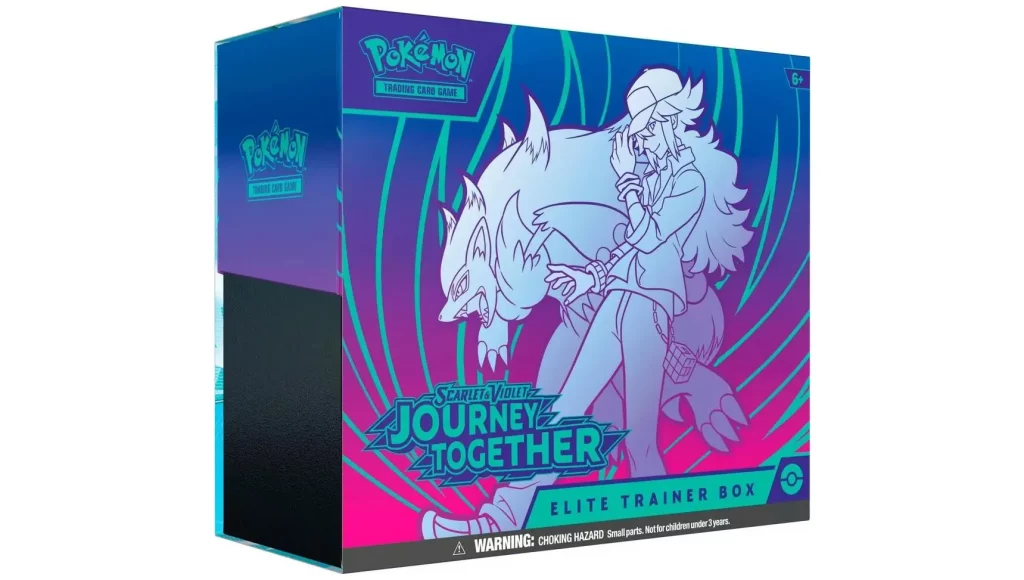
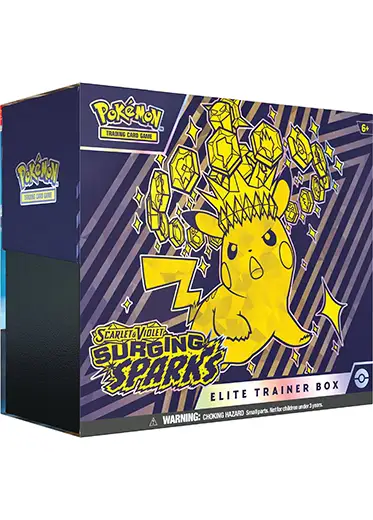
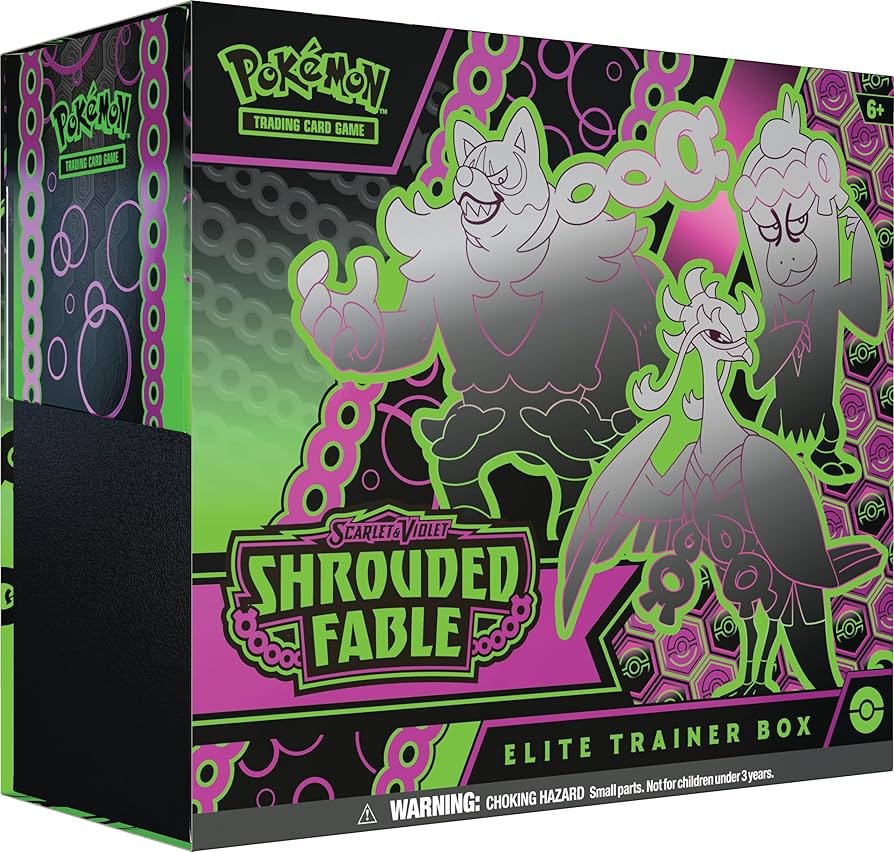
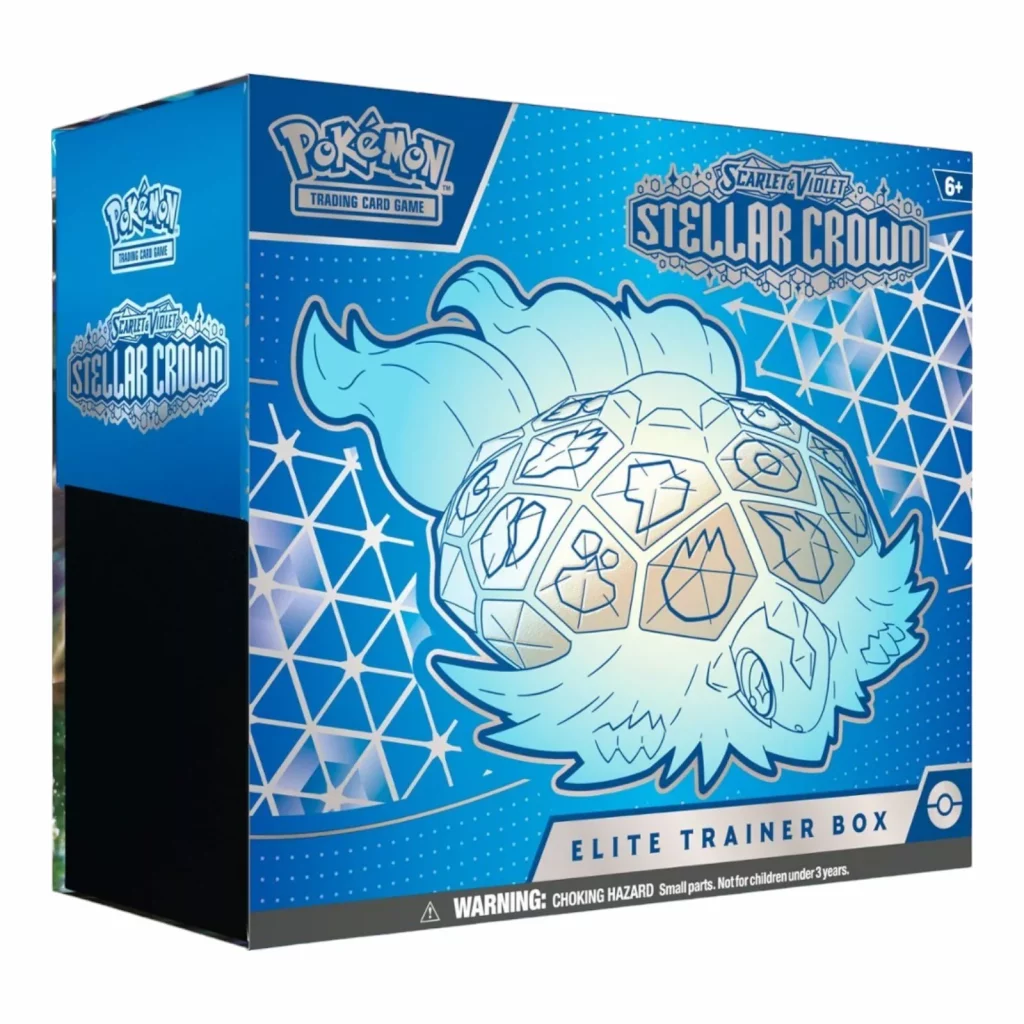
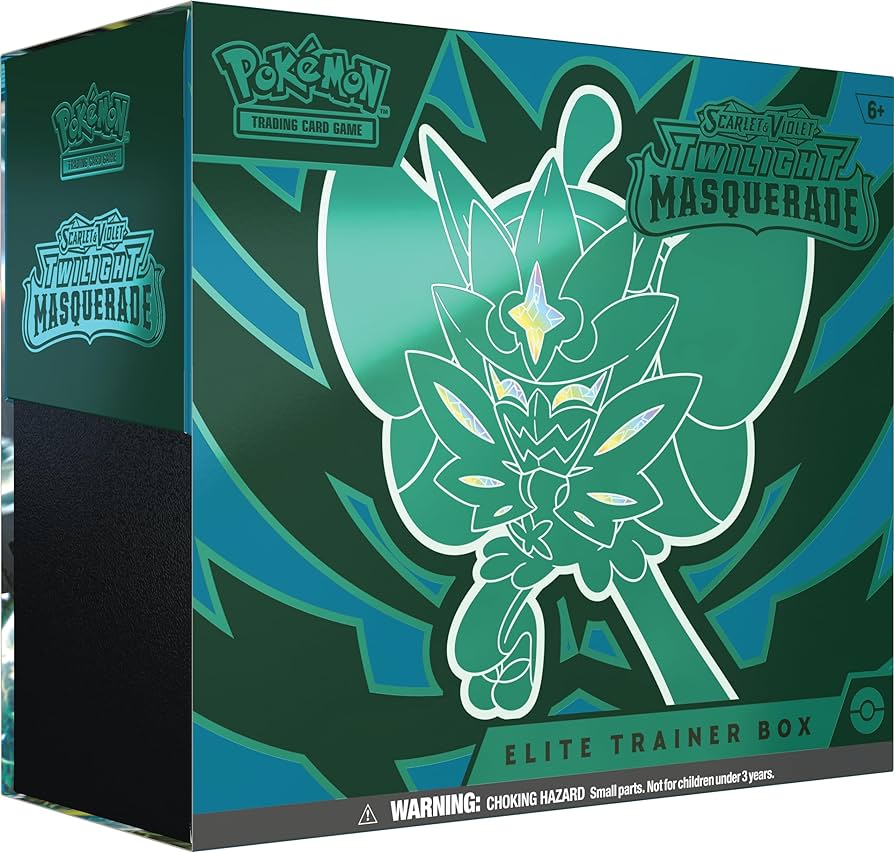
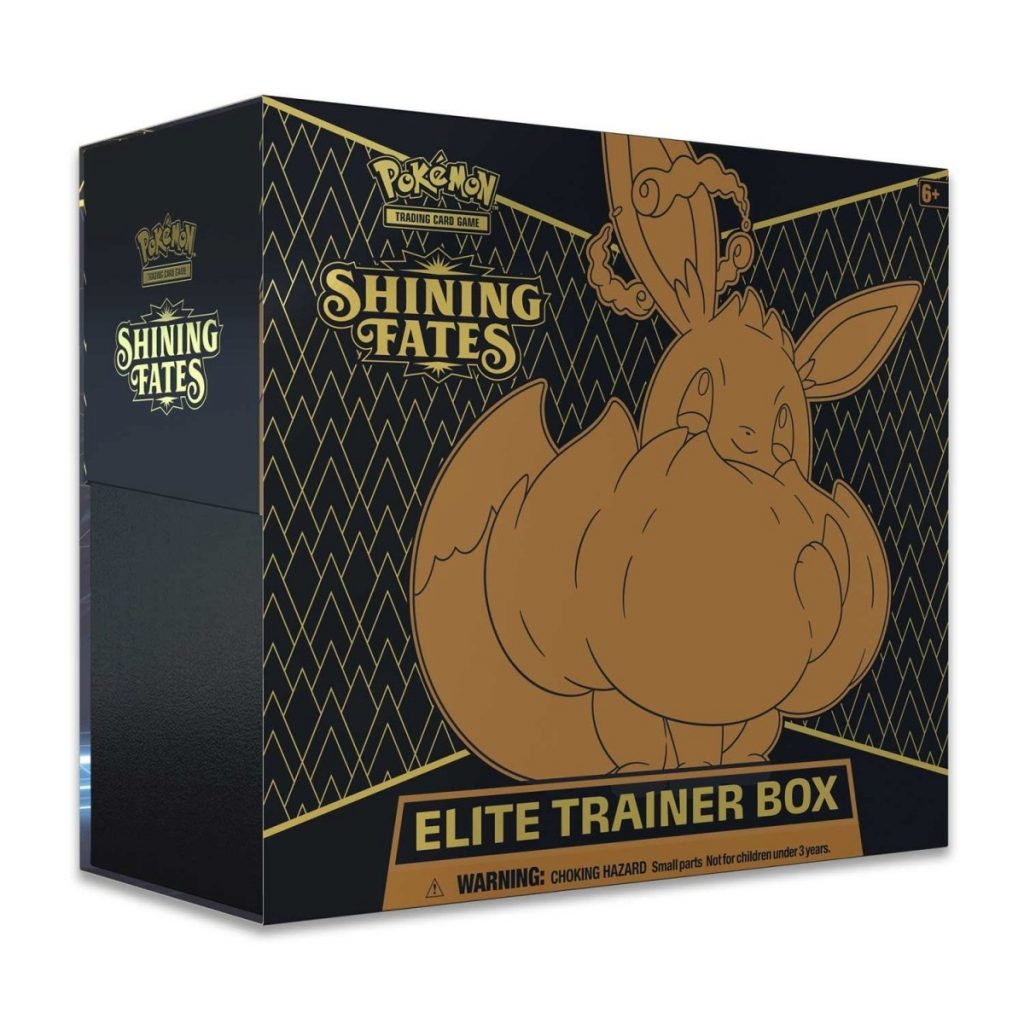
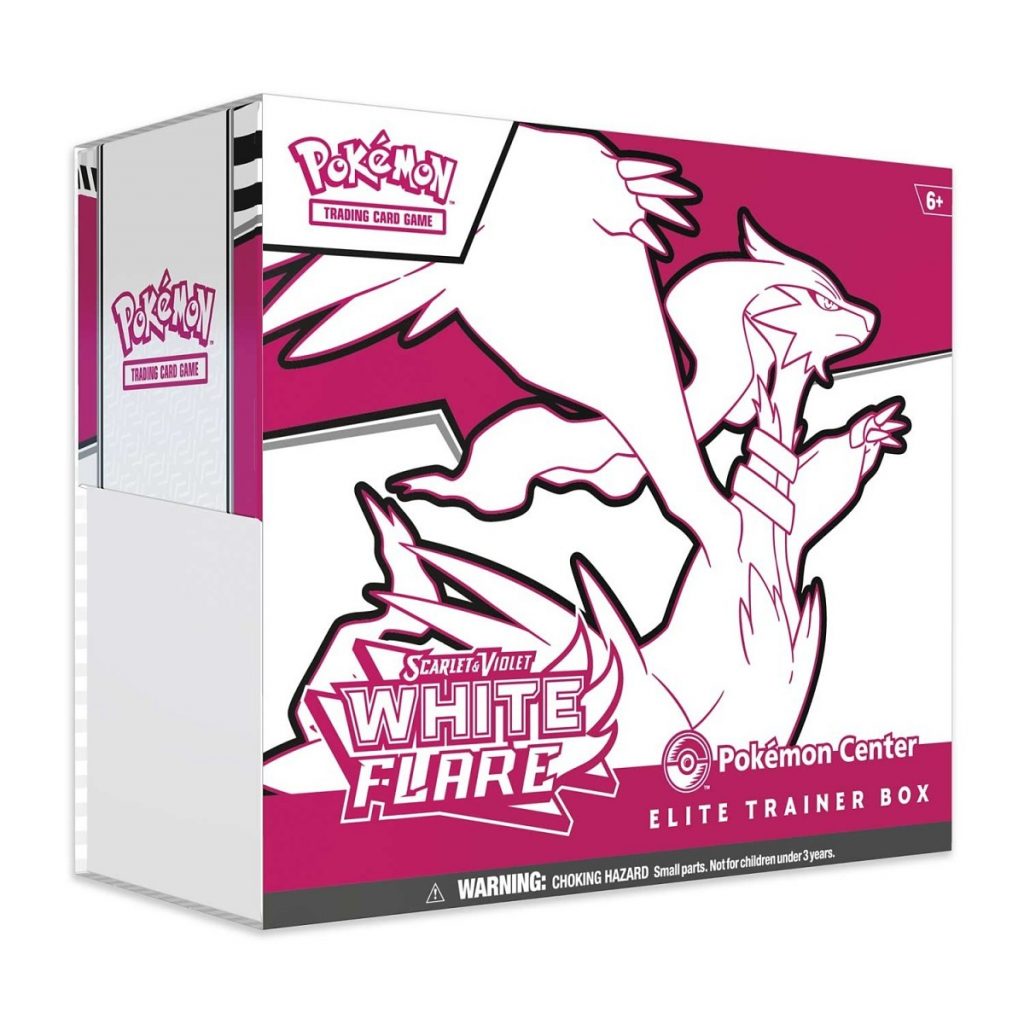
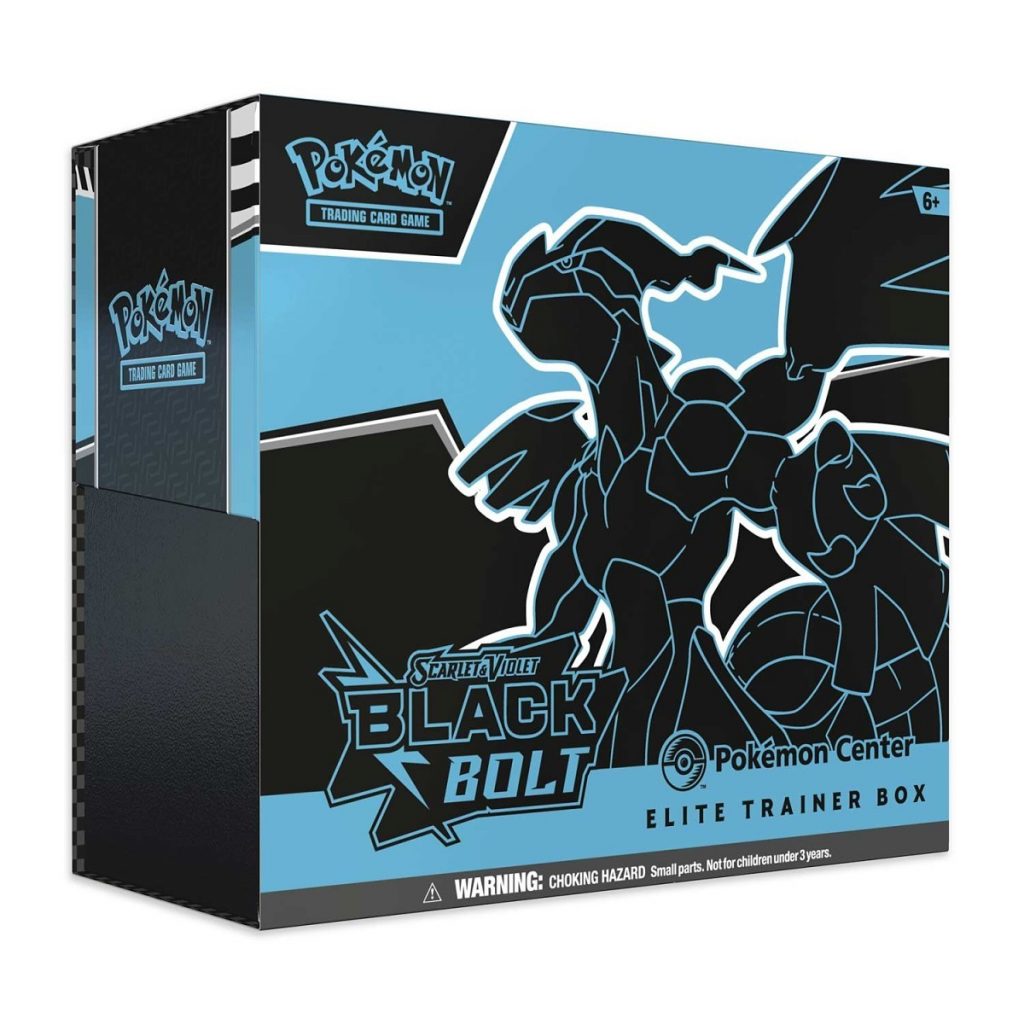
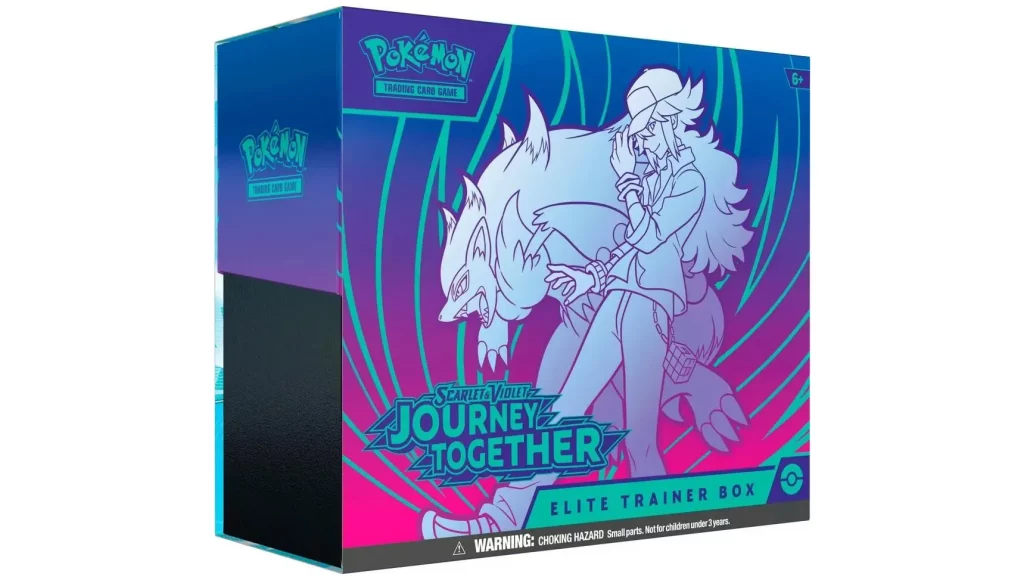
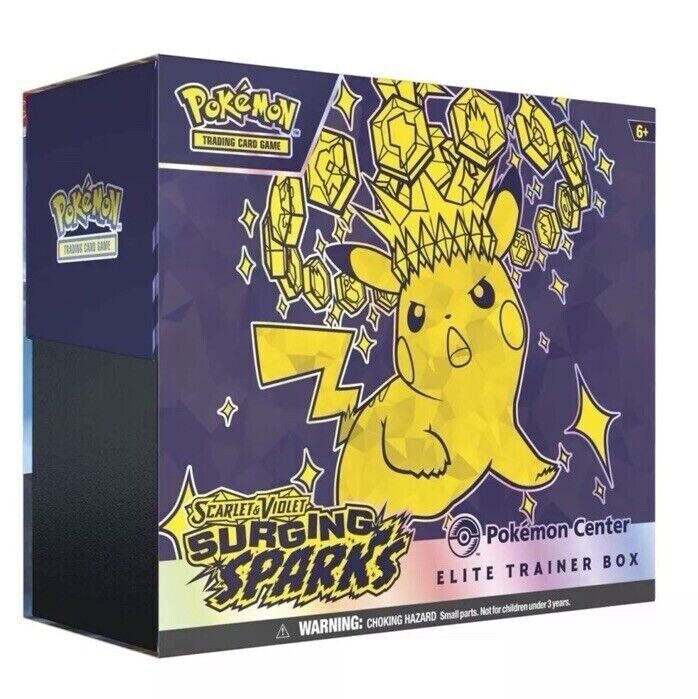
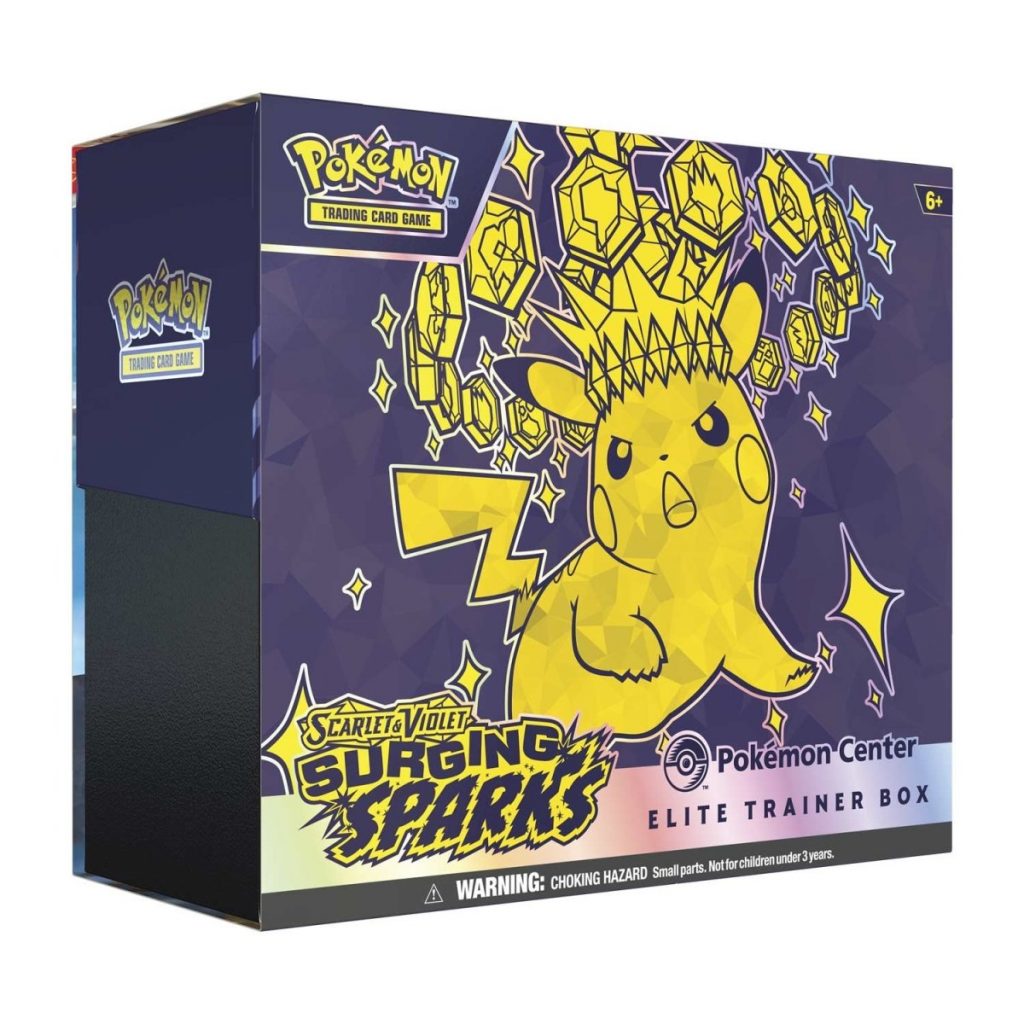
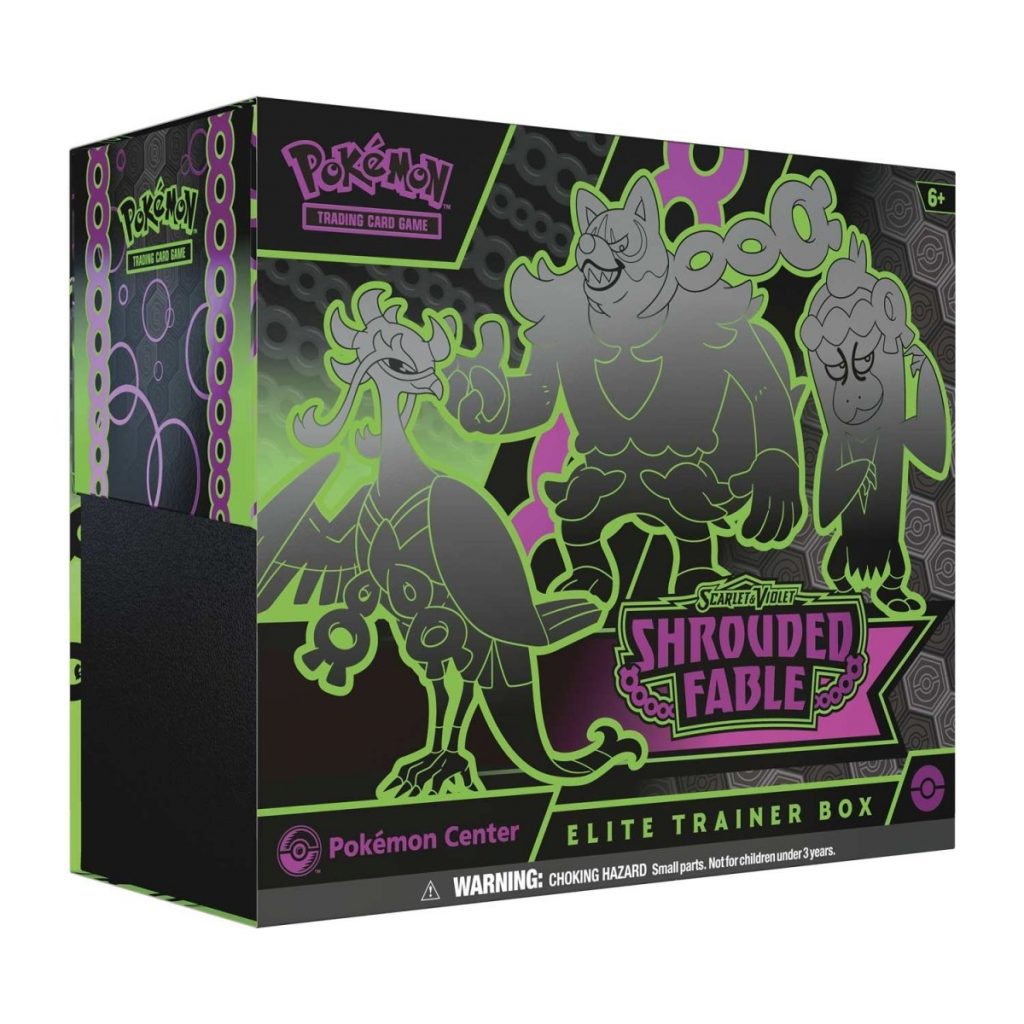
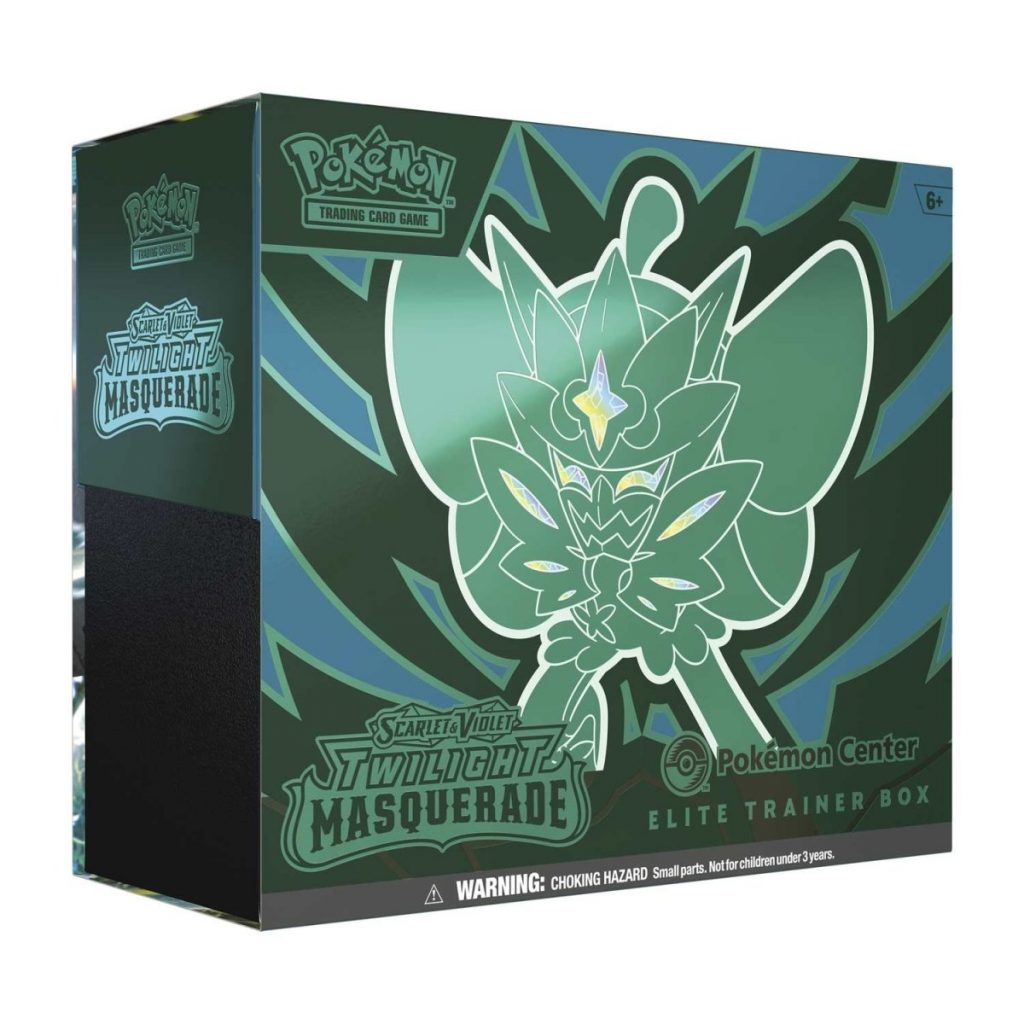
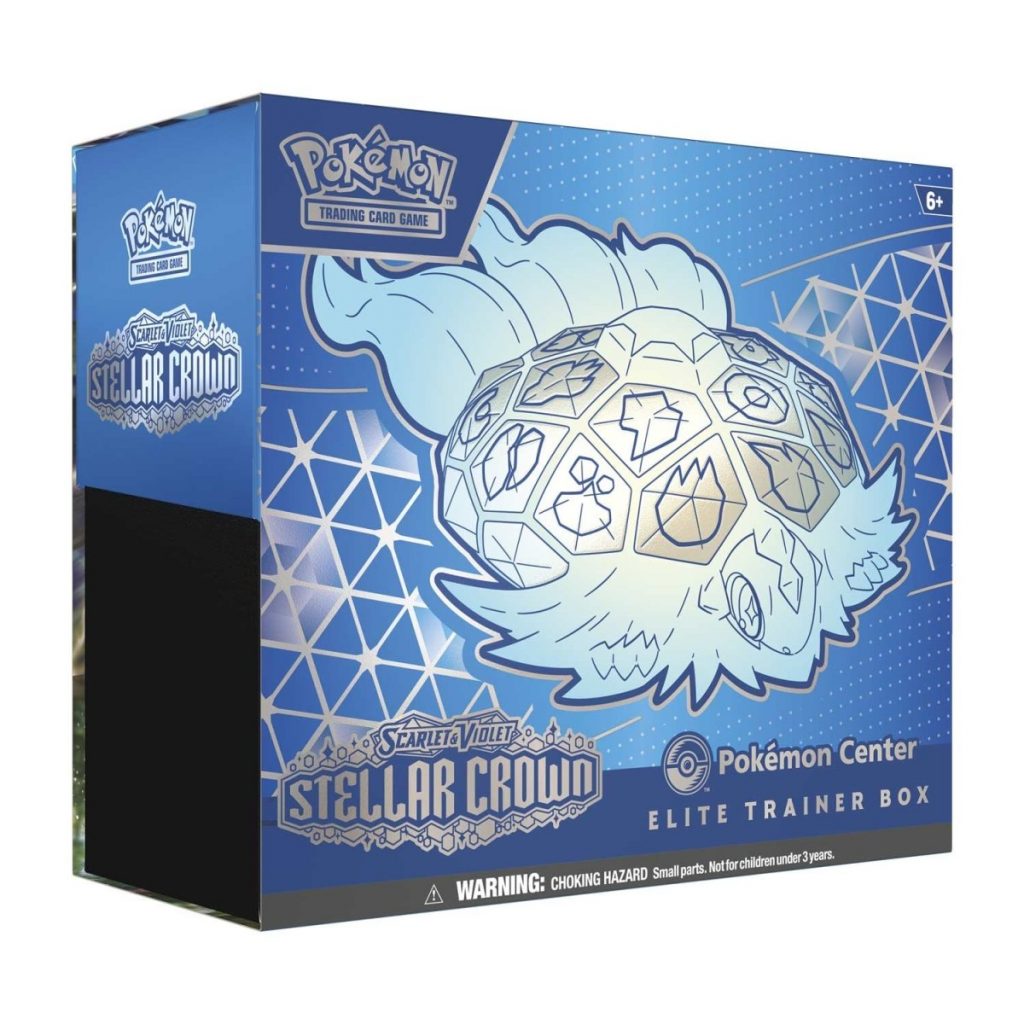
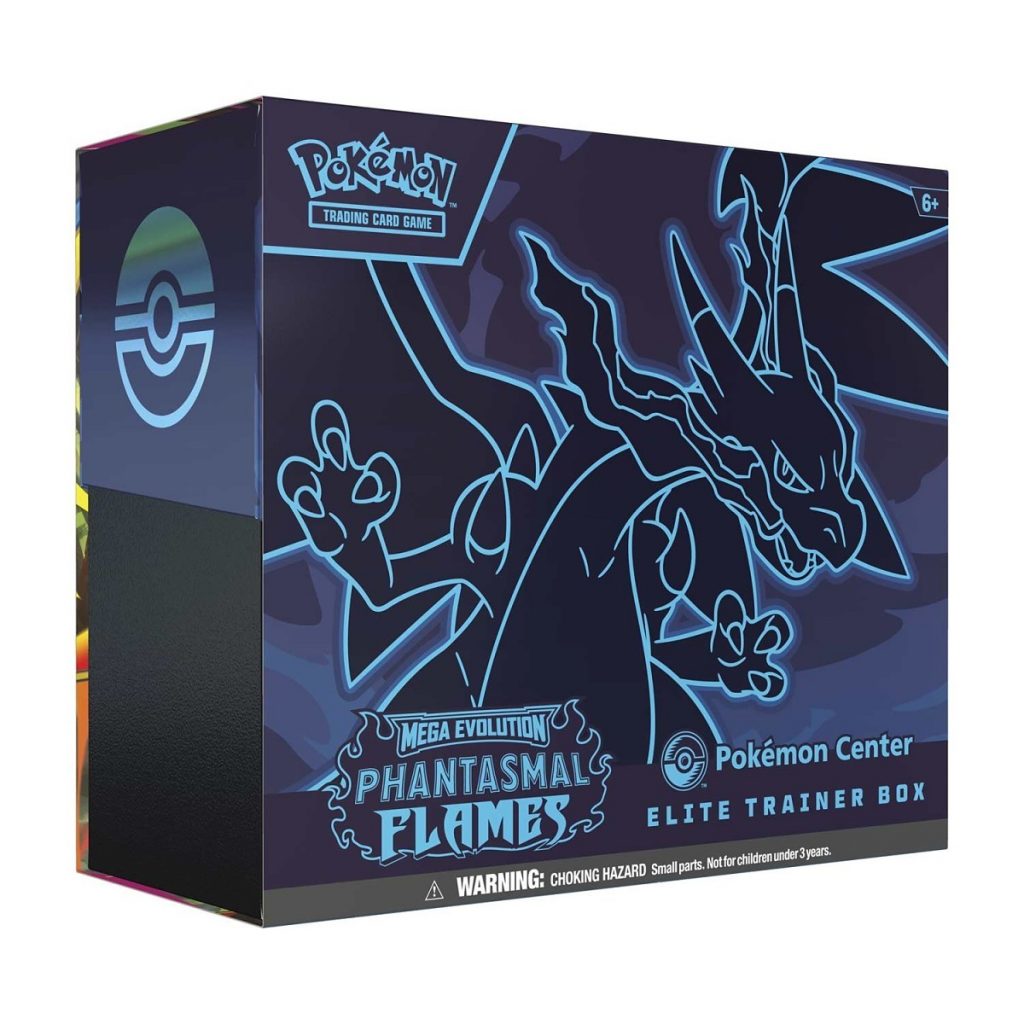
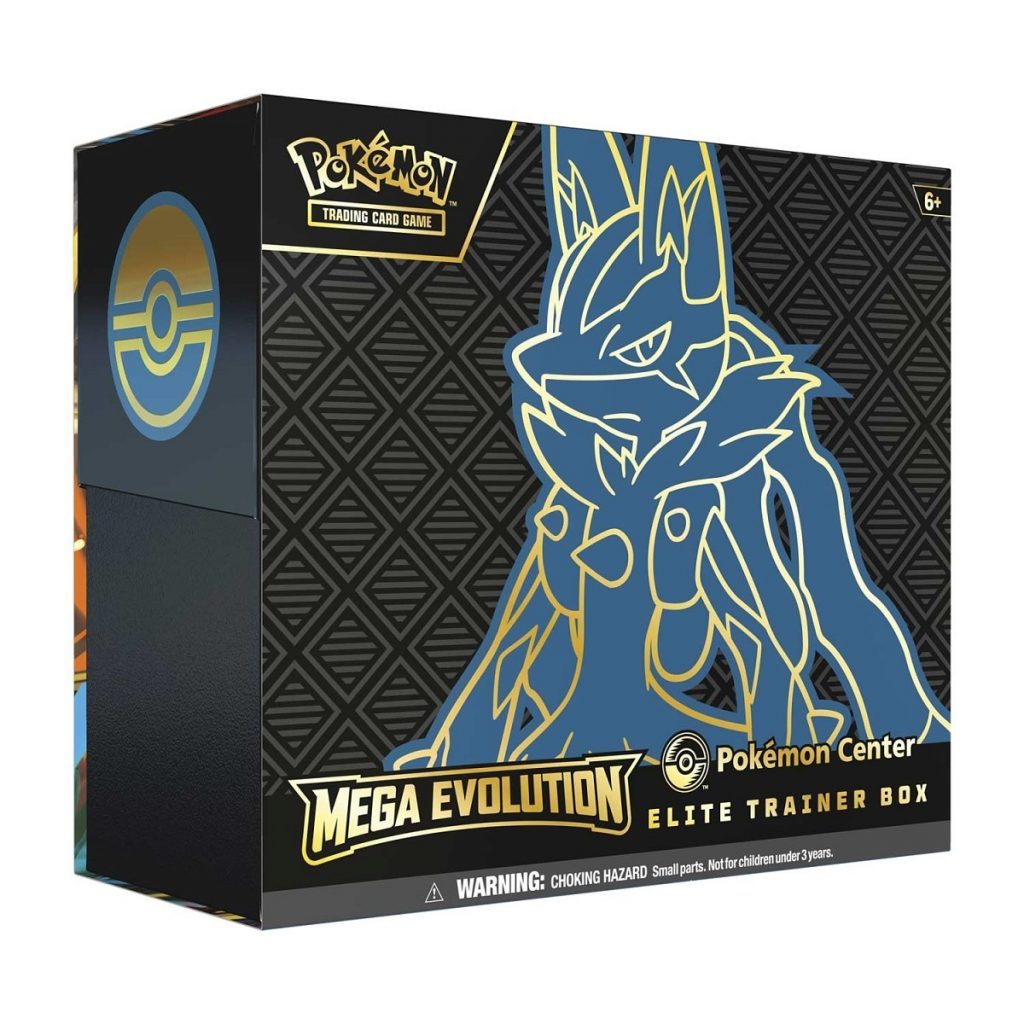
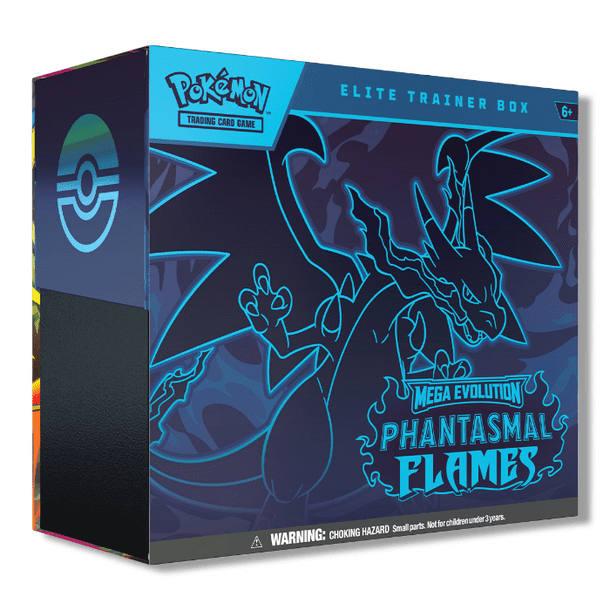
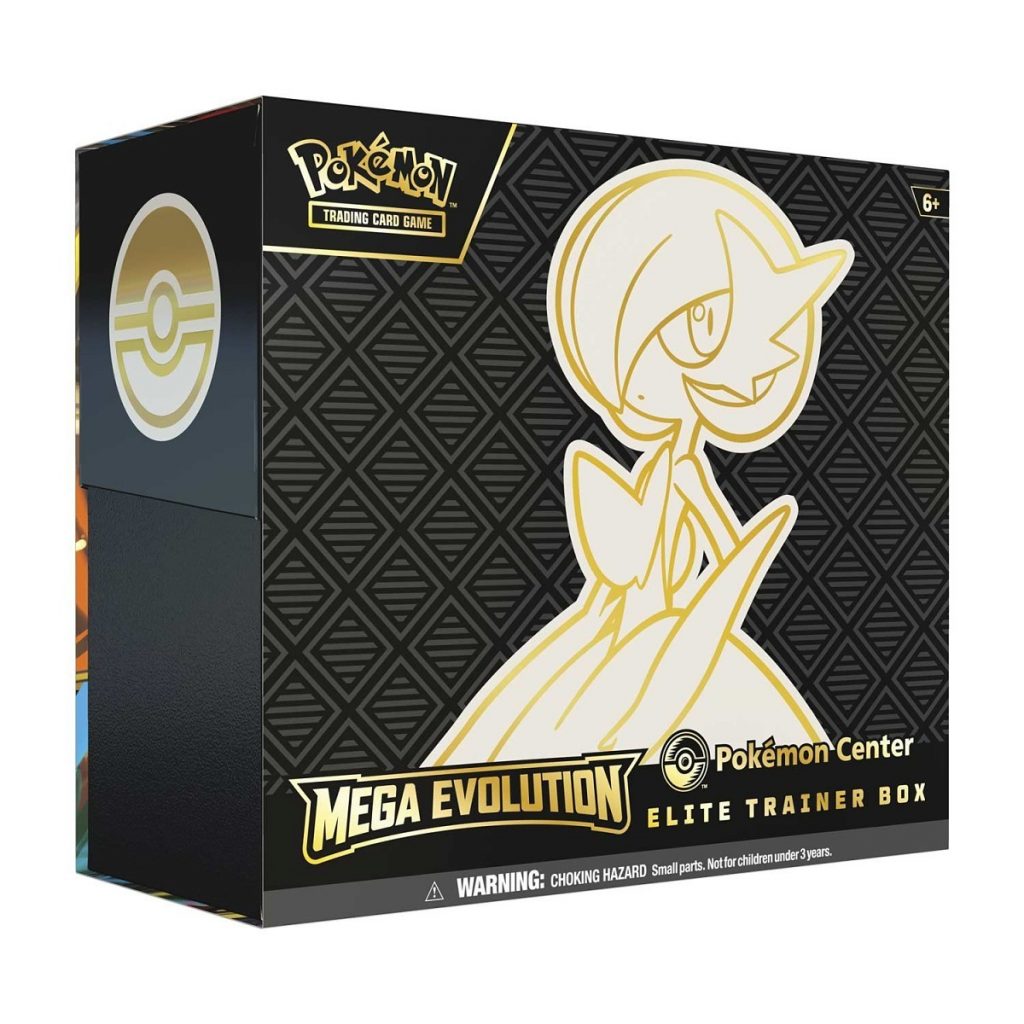
    If you’re diving into the world of Pokémon TCG (Trading Card Game), you’ve probably come across a ton of abbreviations and terms that might leave you scratching your head. Among them, ETB is one of the most common, and if you’re new to the game, you might be wondering what it means and why everyone seems so excited about it. Don’t worry—ETB isn’t some super-complicated concept. It stands for “Elite Trainer Box,” and it’s basically one of the coolest and most convenient ways to get started or expand your collection in the Pokémon TCG. Let’s break it down and see why ETBs are such a big deal.

    An Elite Trainer Box is essentially a bundle of goodies designed to give players and collectors a solid boost. Whether you’re just starting out or you’ve been playing for years, an ETB is a great way to get your hands on a variety of cards and essential accessories. Typically, an ETB includes several booster packs from a specific Pokémon TCG set, which means you’ll have plenty of opportunities to pull rare and powerful cards. On top of that, you’ll usually find a stack of energy cards, which are crucial for building decks and playing the game. If you’re planning to jump into competitive play or just want to experiment with different strategies, having a good supply of energy cards is a must.

    But that’s not all! ETBs also come with a bunch of extras that make them feel like a treasure chest for Pokémon fans. For example, you’ll often get card sleeves featuring artwork from the set, which are perfect for protecting your favorite cards while showing off your love for the game. There’s also a set of dice and condition markers, which are super handy for keeping track of damage and special effects during battles. And let’s not forget the storage box itself—it’s sturdy, stylish, and perfect for organizing your growing collection. Honestly, it’s hard to beat the value you get from an ETB, especially if you’re looking to dive deeper into the game.

    One of the coolest things about ETBs is that they’re tied to specific sets, so they often feature exclusive designs and themes. For example, if you’re a fan of a particular Pokémon or set, like “Crown Zenith” or “Evolving Skies,” the ETB for that set will usually have artwork and accessories that match the theme. This makes them not only practical but also highly collectible. Some ETBs even include promo cards that you can’t get anywhere else, which is a huge bonus for collectors. Plus, opening an ETB is just plain fun—it’s like unwrapping a mini treasure trove of Pokémon goodness.

    So, whether you’re looking to build your first deck, expand your collection, or just enjoy the thrill of opening booster packs, an ETB is a fantastic option. It’s no wonder they’re so popular among Pokémon TCG fans. They’re packed with value, loaded with surprises, and a great way to immerse yourself in the world of Pokémon.

    Understanding UPC And Its Significance In Pokémon Collecting

    Understanding the world of Pokémon collecting can feel a bit overwhelming at first, especially with all the acronyms and terms that get thrown around. If you’ve been exploring the hobby, you’ve probably come across the terms ETB and UPC. While they might sound like secret codes, they’re actually pretty straightforward once you break them down. Let’s dive into what UPC means and why it’s such a big deal in the Pokémon collecting community.

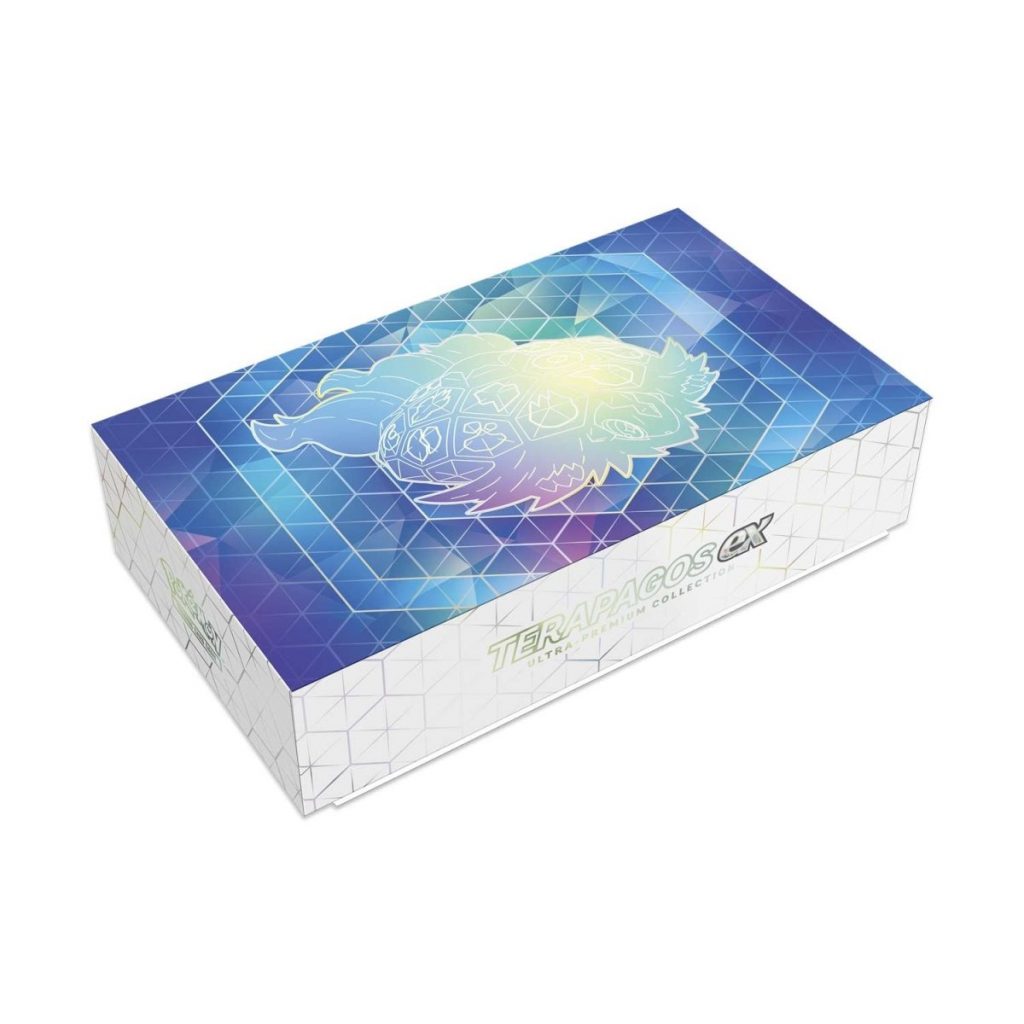
    UPC stands for Ultra-Premium Collection, and as the name suggests, it’s one of the most sought-after products in the Pokémon Trading Card Game (TCG) world. These boxes are designed to be the ultimate collector’s item, packed with exclusive goodies that make them stand out from your average Pokémon product. Think of them as the crème de la crème of Pokémon TCG releases. They’re not just about the cards—although the cards included are often stunning and highly collectible—but also about the overall experience and presentation. From the sleek packaging to the premium contents, UPCs are crafted to appeal to both hardcore collectors and casual fans who want something truly special.

    What makes a UPC so significant is the exclusivity and value it offers. These collections often include items you won’t find anywhere else, such as unique promo cards, metal cards, collectible coins, playmats, and other high-quality accessories. For example, the Celebrations Ultra-Premium Collection, released during Pokémon’s 25th anniversary, featured gold-plated cards of the iconic Pikachu and Charizard, which instantly became must-haves for collectors. Because of these exclusive items, UPCs tend to sell out quickly and often become highly sought-after on the secondary market. This scarcity only adds to their allure, making them a centerpiece in many collections.

    Another reason UPCs are so popular is that they often celebrate major milestones or iconic Pokémon. They’re not released frequently, which makes each one feel like a special event. Whether it’s commemorating an anniversary or spotlighting a fan-favorite Pokémon, these collections are designed to capture the essence of what makes Pokémon so beloved. For collectors, owning a UPC isn’t just about the individual items inside—it’s about being part of a moment in Pokémon history.

    If you’re new to collecting, you might wonder if a UPC is worth the investment. The answer depends on what you’re looking for. If you’re a fan of exclusive items and love the idea of owning something that feels truly premium, then a UPC is definitely worth considering. However, it’s important to keep in mind that these collections can be pricey, especially if you’re buying them after they’ve sold out at retail. For those who are more focused on building a deck for gameplay or just opening packs for fun, an ETB (Elite Trainer Box) might be a more practical choice. ETBs are more affordable and still offer a great mix of cards and accessories, but they don’t have the same level of exclusivity as a UPC.

    Ultimately, UPCs hold a special place in the Pokémon TCG world because they represent the pinnacle of collecting. They’re a celebration of everything fans love about Pokémon, wrapped up in a beautifully designed package. Whether you’re a seasoned collector or just starting out, understanding what makes a UPC so significant can help you appreciate the thought and care that goes into creating these incredible products.

    Comparing ETB And UPC: Key Differences And Uses

    When diving into the world of Pokémon trading cards, you’ll quickly come across a variety of products with different names and acronyms. Two of the most popular and sought-after items are ETBs and UPCs. If you’re new to the hobby or just curious about what these terms mean, don’t worry—it’s not as complicated as it might seem. ETB stands for Elite Trainer Box, while UPC refers to Ultra-Premium Collection. Both are exciting products for collectors and players alike, but they serve slightly different purposes and offer unique experiences. Let’s break it down and explore how they compare, so you can decide which one might be right for you.

    To start, Elite Trainer Boxes, or ETBs, are a staple in the Pokémon TCG world. They’re designed to be a versatile product that appeals to both collectors and players. Typically released alongside new card sets, ETBs are packed with goodies to help you dive into the latest expansion. Inside, you’ll usually find booster packs, which are the main draw for many fans, as they give you a chance to pull rare and exciting cards. But that’s not all—ETBs also include useful accessories like card sleeves, dice, condition markers, and a player’s guide that provides tips and a checklist for the set. This makes them a great choice for players who want to build or enhance their decks, as well as collectors who enjoy the thrill of opening packs and organizing their cards.

    On the other hand, Ultra-Premium Collections, or UPCs, are a more exclusive and high-end offering. These products are often released to celebrate special occasions, anniversaries, or iconic Pokémon. Unlike ETBs, which are more widely available, UPCs tend to be limited in quantity and come with a higher price tag. What makes them so special is the premium content they include. For example, UPCs often feature stunning promo cards, such as gold or metal versions of fan-favorite Pokémon, which are highly coveted by collectors. Additionally, they may include unique items like commemorative coins, playmats, or even display-worthy storage boxes. While UPCs do sometimes include booster packs, the focus is more on the exclusive collectibles and the overall presentation, making them a dream item for serious fans.

    When comparing the two, it’s clear that ETBs and UPCs cater to slightly different audiences and purposes. ETBs are more accessible and practical, offering a mix of fun and functionality for players and collectors alike. They’re a great way to get started with a new set or to enjoy the hobby without breaking the bank. UPCs, on the other hand, are all about celebrating the Pokémon TCG in style. They’re perfect for collectors who want something truly special to add to their collection or for fans who want to commemorate a milestone in the franchise’s history.

    Ultimately, whether you choose an ETB or a UPC depends on what you’re looking for. If you’re after a well-rounded product that gives you a little bit of everything, an ETB is a fantastic choice. But if you’re a collector who loves rare and exclusive items, a UPC might be worth the splurge. Either way, both products capture the magic of Pokémon and offer a unique way to enjoy the trading card game.

  • Is Pokemon TCG worth getting into?

    Ready to dive into the exciting world of Pokémon TCG? Start your journey today and explore the thrill of collecting, trading, and battling! Discover Pokémon Cards at Card Chill now!

    Investment Potential: Is Pokemon TCG a Profitable Hobby?

    When it comes to hobbies that blend nostalgia, strategy, and a touch of financial intrigue, the Pokémon Trading Card Game (TCG) has been making waves for decades. But in recent years, it’s not just the gameplay or the thrill of collecting that’s drawn people in—it’s the potential for profit. If you’ve been wondering whether diving into Pokémon TCG is worth it from an investment perspective, you’re not alone. The market has exploded, with rare cards fetching jaw-dropping prices at auctions and collectors scrambling to get their hands on the next big thing. But is it really a profitable hobby, or is it just hype? Let’s break it down.

    First, it’s important to acknowledge that Pokémon TCG has a unique advantage: nostalgia. For many, it’s not just a card game; it’s a connection to childhood memories of trading cards on the playground or battling friends after school. This emotional attachment has created a strong demand for older, vintage cards, especially those from the original Base Set released in the late 1990s. Cards like the holographic Charizard have become iconic, with some mint-condition versions selling for tens or even hundreds of thousands of dollars. This kind of demand isn’t going away anytime soon, as new generations of fans continue to discover the franchise while older fans remain loyal. That said, the vintage market is highly competitive, and getting your hands on these rare cards often requires a significant upfront investment.

    For those who don’t have the budget to chase after vintage cards, modern sets can also offer investment opportunities. Pokémon TCG regularly releases new expansions, and certain cards from these sets can quickly rise in value, especially if they’re tied to popular Pokémon or feature stunning artwork. Special editions, alternate art cards, and limited-run products like Elite Trainer Boxes or promotional sets often become highly sought after. However, predicting which modern cards will appreciate in value can be tricky. It’s not just about rarity; factors like competitive playability, fan demand, and even trends in the broader Pokémon community can all influence a card’s worth. This makes investing in modern cards a bit of a gamble, but for many, that’s part of the fun.

    Of course, no discussion about Pokémon TCG as an investment would be complete without mentioning the importance of condition. The value of a card can vary dramatically based on its condition, with mint or near-mint cards commanding the highest prices. Professional grading services like PSA or Beckett can authenticate and grade your cards, which can significantly boost their value if they receive a high grade. However, grading can be expensive and time-consuming, so it’s worth weighing the costs against the potential return.

    It’s also worth noting that the Pokémon TCG market, like any collectible market, is subject to fluctuations. While some cards have seen consistent growth in value, others have experienced dips as trends shift or new products are released. This means that while there’s potential for profit, there’s also risk involved. If you’re getting into Pokémon TCG purely for financial gain, it’s essential to do your research, stay informed about market trends, and approach it with a long-term mindset.

    Ultimately, whether Pokémon TCG is a profitable hobby depends on your goals and expectations. If you’re looking for a guaranteed way to make money, it might not be the safest bet. But if you’re passionate about Pokémon, enjoy the thrill of collecting, and are willing to put in the time to learn the market, it can be a rewarding and potentially lucrative endeavor. Plus, even if your cards don’t skyrocket in value, you’ll still have a collection that brings you joy—and that’s worth something too.

    Community and Gameplay: Why Pokemon TCG Appeals to Fans of All Ages

    The Pokémon Trading Card Game (TCG) has been captivating fans for decades, and it’s easy to see why it continues to thrive as a beloved hobby for people of all ages. At its core, the game offers a unique blend of strategy, creativity, and nostalgia, but what truly sets it apart is the vibrant community and the engaging gameplay that keeps players coming back for more. Whether you’re a seasoned card game enthusiast or someone who’s just curious about what all the hype is about, the Pokémon TCG has something special to offer.

    One of the biggest reasons the Pokémon TCG appeals to such a wide audience is its welcoming and inclusive community. No matter where you are in the world, you’re likely to find local leagues, tournaments, or even casual meetups where players of all skill levels can come together to share their love for the game. These gatherings aren’t just about competition—they’re about connection. It’s not uncommon to see kids trading cards with their friends, parents playing alongside their children, or adults reminiscing about the Pokémon they grew up with. The game has a way of bridging generational gaps, creating a shared experience that feels both nostalgic and fresh at the same time.

    For those who enjoy a bit of friendly competition, the gameplay itself is a huge draw. The Pokémon TCG is easy to learn but offers enough depth to keep even the most strategic minds engaged. At its heart, the game revolves around building a deck of Pokémon, trainers, and energy cards to battle against an opponent. While the rules are straightforward enough for beginners to pick up quickly, the endless combinations of cards and strategies mean that no two matches are ever the same. This balance between accessibility and complexity is one of the reasons the game has remained so popular over the years. Whether you’re crafting a deck around your favorite Pokémon or experimenting with the latest meta strategies, there’s always something new to explore.

    Another aspect that makes the Pokémon TCG so appealing is the thrill of collecting. Let’s be honest—there’s something undeniably exciting about opening a booster pack and discovering a rare or shiny card inside. For many players, the collecting aspect is just as enjoyable as the gameplay itself. Some people focus on completing sets, while others hunt for specific cards that hold sentimental value or feature stunning artwork. The beauty of the Pokémon TCG is that you can engage with it in whatever way feels most rewarding to you. Whether you’re a collector, a competitive player, or a mix of both, there’s no wrong way to enjoy the game.

    Of course, the Pokémon TCG wouldn’t be what it is today without the franchise’s iconic characters. From Pikachu to Charizard, the cards bring these beloved creatures to life in a way that feels tangible and personal. For longtime fans of the Pokémon series, the TCG offers a chance to interact with the world of Pokémon in a hands-on way. And for newcomers, it’s an invitation to dive into a universe that’s rich with adventure, creativity, and camaraderie.

    Ultimately, the Pokémon TCG’s enduring appeal lies in its ability to bring people together. Whether you’re battling at a tournament, trading cards with a friend, or simply admiring your collection, the game creates moments of joy and connection that are hard to find elsewhere. It’s more than just a card game—it’s a community, a creative outlet, and a way to celebrate the magic of Pokémon. So, is it worth getting into? Absolutely. With its welcoming community and endlessly engaging gameplay, the Pokémon TCG has something for everyone, no matter your age or experience level.

    Collecting vs. Playing: Exploring the Different Ways to Enjoy Pokemon TCG

    When it comes to the Pokémon Trading Card Game (TCG), one of the most exciting aspects is how versatile it is. Whether you’re drawn to the thrill of collecting rare cards or the strategic gameplay of battling opponents, there’s something for everyone. But if you’re new to the world of Pokémon TCG, you might be wondering which path is right for you—or if you can enjoy both. The good news is that there’s no wrong way to dive in, and the choice often comes down to what excites you most about the game.

    For many, the appeal of Pokémon TCG starts with collecting. There’s something undeniably nostalgic and satisfying about opening a fresh pack of cards, not knowing what treasures might be inside. From iconic Pokémon like Charizard and Pikachu to stunning full-art cards and secret rares, the hunt for those elusive pulls can be addictive in the best way. Collecting also taps into a sense of accomplishment, as you work to complete sets or track down specific cards that hold personal meaning. Plus, the artwork on Pokémon cards is genuinely beautiful, with some designs feeling like miniature works of art. Even if you’re not interested in playing the game itself, building a collection can be a rewarding hobby, especially if you enjoy organizing, displaying, or even trading cards with other fans.

    On the other hand, playing the game offers a completely different kind of experience. If you love strategy, competition, and the idea of building a deck that reflects your favorite Pokémon or playstyle, then the gameplay side of Pokémon TCG might be for you. The game is surprisingly deep, with mechanics that require careful planning and adaptability. Whether you’re playing casually with friends or competing in tournaments, there’s a sense of satisfaction that comes from pulling off a well-timed move or outsmarting your opponent. And while it might seem intimidating at first, the rules are fairly easy to learn, especially with resources like online tutorials and beginner-friendly decks available to help you get started.

    Of course, you don’t have to choose between collecting and playing—they often go hand in hand. Many players start out as collectors, drawn in by the excitement of the cards themselves, and then gradually become curious about how the game works. Similarly, some competitive players find themselves falling in love with the art and rarity of certain cards, leading them to start their own collections. The two sides of Pokémon TCG complement each other beautifully, and exploring both can give you a deeper appreciation for the game as a whole.

    Ultimately, whether you’re more interested in collecting or playing, Pokémon TCG is worth getting into if you’re looking for a hobby that’s fun, social, and endlessly engaging. It’s a game that brings people together, whether you’re swapping cards at a local shop, battling online, or simply geeking out over your latest pull with friends. And with new sets being released regularly, there’s always something fresh to look forward to. So, whether you’re here for the strategy, the art, or just the nostalgia, Pokémon TCG has a little something for everyone—and that’s what makes it so special.

  • Are old Pokémon cards worth keeping?

    Discover the hidden value of your old Pokémon cards! Find out if they’re worth keeping or selling. Explore Card Chill Pokémon Cards now!

    Evaluating The Value Of Vintage Pokémon Cards: What Collectors Look For

    When it comes to evaluating the value of vintage Pokémon cards, it’s not just about nostalgia or the thrill of rediscovering a childhood collection tucked away in a dusty shoebox. For collectors, the worth of these cards is determined by a mix of factors that go beyond simply having a rare card in your possession. If you’ve ever wondered whether those old Pokémon cards are worth keeping, the answer depends on a few key details that collectors are always on the lookout for.

    First and foremost, rarity plays a huge role in determining a card’s value. Some cards were printed in limited quantities or were only available through special promotions, making them highly sought after. For example, first-edition cards from the original Base Set are considered some of the most valuable, especially if they feature iconic Pokémon like Charizard, Blastoise, or Venusaur. If you happen to have one of these cards, you might already be sitting on a small treasure. However, rarity alone isn’t enough to guarantee a high price tag. Condition is just as important, if not more so.

    Collectors are meticulous when it comes to the condition of a card. Terms like “mint,” “near-mint,” and “lightly played” are used to describe the state of a card, and these distinctions can make or break its value. A card in mint condition, free of scratches, creases, or edge wear, is far more desirable than one that’s been through countless battles on the playground. Some collectors even send their cards to professional grading services, like PSA or Beckett, to have them officially evaluated and assigned a grade. A high-grade card can fetch significantly more money than an ungraded one, even if they’re technically the same card.

    Beyond rarity and condition, collectors also consider the card’s popularity and historical significance. Cards featuring fan-favorite Pokémon, like Pikachu or Charizard, tend to hold their value better over time simply because they resonate with so many people. Additionally, cards that represent milestones in the Pokémon franchise, such as the original holographic cards or special promotional releases, often carry a sense of history that adds to their appeal. Even if a card isn’t particularly rare, its connection to a beloved moment in Pokémon history can make it a prized addition to someone’s collection.

    Another factor to consider is the current market demand. The value of Pokémon cards has fluctuated over the years, with certain periods seeing massive spikes in interest. For instance, during the pandemic, the Pokémon card market experienced a boom as people turned to hobbies and collectibles for comfort and entertainment. While the market has since stabilized, there’s still a strong demand for vintage cards, especially among millennials who grew up with the franchise and are now in a position to invest in their childhood memories.

    So, are old Pokémon cards worth keeping? If you have cards that are rare, in good condition, or hold sentimental value, the answer is likely yes. Even if they don’t fetch a fortune, they can still be a meaningful piece of your personal history—or a fun way to connect with other fans. And who knows? With the Pokémon franchise continuing to thrive, the value of these cards could grow even more in the years to come. Whether you’re looking to sell, trade, or simply hold onto them for the memories, those old cards might be worth more than you think.

    Preserving Your Pokémon Card Collection: Tips For Long-Term Value

    If you’ve ever stumbled across a dusty box of old Pokémon cards in your attic or closet, you might have wondered if they’re worth keeping. Maybe they remind you of trading with friends during recess or the thrill of pulling a holographic Charizard from a booster pack. But beyond the nostalgia, there’s a growing interest in Pokémon cards as collectibles, and preserving them properly could make a big difference in their long-term value. Whether you’re holding onto them for sentimental reasons or hoping they might be worth something down the road, taking care of your collection is key.

    First off, let’s talk about why condition matters so much. In the world of collectibles, the condition of an item can make or break its value, and Pokémon cards are no exception. A card that’s been bent, scratched, or has frayed edges is going to be worth significantly less than one that looks like it just came out of the pack. Even if you’re not planning to sell your cards anytime soon, keeping them in good shape ensures that they’ll retain their value, whether for you or for someone else in the future. So, if your cards are currently sitting loose in a shoebox, it might be time to rethink your storage strategy.

    One of the easiest ways to protect your cards is by using card sleeves. These thin, plastic covers are inexpensive and do a great job of shielding your cards from dirt, moisture, and accidental damage. For cards that are particularly rare or valuable, you might want to go a step further and invest in hard plastic cases, often called top loaders. These provide an extra layer of protection and are especially useful if you plan to display your cards or transport them. And if you’re storing a larger collection, consider using a binder with individual card pockets. Not only does this keep your cards organized, but it also makes it easy to flip through and admire your collection without handling the cards directly.

    Another important factor to consider is where you’re storing your cards. Extreme temperatures, humidity, and direct sunlight can all cause damage over time. For example, heat can warp the cards, while moisture can lead to mold or discoloration. To avoid these issues, store your collection in a cool, dry place, away from windows or damp areas like basements. If you’re really serious about preserving your cards, you might even look into silica gel packets to help control humidity levels in your storage space.

    It’s also worth mentioning that keeping your collection organized can add to its long-term value. Grouping cards by set, type, or rarity not only makes it easier to find specific cards but also shows potential buyers or appraisers that you’ve taken good care of your collection. Plus, it’s just more fun to flip through a well-organized binder than to dig through a chaotic pile of cards.

    Ultimately, whether your old Pokémon cards are worth keeping depends on what they mean to you. If they bring back happy memories or spark joy when you look at them, that alone might be reason enough to hold onto them. But if you’re also thinking about their potential monetary value, taking steps to preserve them now could pay off in the future. After all, you never know when that holographic card you pulled as a kid might turn out to be a hidden gem.

    The Rising Market For Old Pokémon Cards: Trends And Insights

    The world of Pokémon has always been a source of nostalgia and excitement for fans, but in recent years, something unexpected has happened—old Pokémon cards have become a hot commodity. What was once just a fun childhood hobby has transformed into a booming market, with collectors and investors alike scrambling to get their hands on rare and vintage cards. If you’ve ever wondered whether those dusty binders of Pokémon cards sitting in your attic are worth keeping, the answer might surprise you. The rising market for old Pokémon cards is more than just a passing trend; it’s a fascinating mix of nostalgia, rarity, and the thrill of the hunt.

    One of the biggest reasons for the surge in interest is the emotional connection people have to Pokémon. For many, these cards represent a simpler time, a piece of their childhood that they can now revisit as adults. This wave of nostalgia has been amplified by social media, where influencers and content creators have been unboxing old packs, sharing their collections, and even hosting live auctions. Watching someone pull a holographic Charizard from a 1999 base set can instantly transport you back to the playground, trading cards with friends and hoping to score something special. It’s no wonder that so many people are diving back into the hobby, either to relive those memories or to finally complete the collections they started years ago.

    But it’s not just about nostalgia—there’s also real money to be made. The value of old Pokémon cards has skyrocketed, with some rare cards selling for thousands, even hundreds of thousands, of dollars. For example, a first-edition holographic Charizard in mint condition has become one of the most sought-after cards in the world, fetching jaw-dropping prices at auctions. Other cards, like Pikachu Illustrator or Shadowless cards from the early sets, are equally coveted. The key factors that determine a card’s value are its rarity, condition, and demand. If you’ve kept your cards in good shape over the years, you might be sitting on a small fortune without even realizing it.

    Of course, not every card is worth a lot of money, and that’s where things can get a bit tricky. While some cards are incredibly valuable, others are more common and might only be worth a few dollars. That’s why it’s important to do your research before selling or trading your collection. Online marketplaces like eBay can give you a sense of what similar cards are selling for, and professional grading services can help you determine the condition of your cards, which plays a huge role in their value. Even if your cards aren’t worth much now, the market is constantly evolving, and what’s considered common today could become rare tomorrow.

    For those who aren’t interested in selling, keeping your old Pokémon cards can still be rewarding. They’re a piece of history, a tangible reminder of a cultural phenomenon that continues to bring joy to millions of people around the world. Whether you’re holding onto them for sentimental reasons or as a potential investment, there’s no denying that these little pieces of cardboard have a big impact. So, the next time you come across your old Pokémon cards, think twice before tossing them aside. You never know—they might just be worth keeping after all.

  • Why are 1999 Pokemon cards so expensive?

    Discover why 1999 Pokémon cards are so valuable and sought after by collectors! Their rarity, nostalgia, and historical significance make them a prized possession. Don’t miss your chance to explore these iconic cards— shop now at Card Chill Pokémon Cards.

    Historical Significance And Nostalgia Of 1999 Pokemon Cards

    The allure of 1999 Pokémon cards is undeniable, and their skyrocketing prices in recent years have left many people wondering what makes these little pieces of cardboard so valuable. To understand their worth, you have to take a step back in time and appreciate the historical significance and deep sense of nostalgia tied to these cards. For many, they’re not just collectibles—they’re a portal to childhood memories, a symbol of a cultural phenomenon, and a piece of history that continues to resonate with fans around the world.

    Back in 1999, Pokémon was more than just a game or a TV show; it was a full-blown craze. Kids traded cards on the playground, battled with their friends, and spent hours trying to complete their collections. The Pokémon Trading Card Game had just launched in the United States, and the Base Set cards were the first to hit the shelves. These were the cards that started it all, introducing iconic characters like Charizard, Blastoise, and Pikachu to a generation of fans. For many collectors today, owning a piece of that original set feels like owning a piece of history. It’s a tangible reminder of the excitement and wonder that Pokémon brought into their lives.

    Of course, nostalgia plays a huge role in the value of these cards. For those who grew up in the late ’90s and early 2000s, Pokémon wasn’t just a hobby—it was a lifestyle. The cards were more than just a game; they were a way to connect with friends, show off your favorite Pokémon, and feel like you were part of something bigger. Fast forward to today, and many of those same kids are now adults with disposable income, eager to recapture a piece of their childhood. Owning a 1999 Pokémon card isn’t just about the card itself; it’s about the memories it represents. It’s about remembering the thrill of opening a booster pack, the joy of finding a rare card, and the countless hours spent immersed in the world of Pokémon.

    But nostalgia alone doesn’t explain the high prices. The rarity of these cards is another key factor. Over the years, many of the original 1999 cards have been lost, damaged, or simply thrown away. Finding cards in mint condition is increasingly difficult, and the demand far outweighs the supply. Certain cards, like the holographic Charizard from the Base Set, have become legendary among collectors. Their scarcity, combined with their iconic status, has driven prices through the roof. Add in the fact that some of these cards have been professionally graded by companies like PSA, which certifies their condition, and you’ve got a recipe for sky-high values.

    The cultural significance of Pokémon also can’t be ignored. What started as a niche Japanese franchise has grown into a global phenomenon, with fans of all ages. The 1999 cards represent the beginning of that journey, making them a cornerstone of Pokémon history. They’re not just collectibles; they’re artifacts from a time when Pokémon was taking its first steps toward becoming the juggernaut it is today. For collectors, owning these cards is like owning a piece of that legacy.

    Ultimately, the high prices of 1999 Pokémon cards come down to a mix of history, nostalgia, rarity, and cultural impact. They’re more than just cards—they’re a connection to the past, a celebration of a beloved franchise, and a testament to the enduring power of Pokémon. Whether you’re a lifelong fan or a newcomer to the world of collecting, it’s easy to see why these cards hold such a special place in so many hearts—and why they’re worth every penny to those who cherish them.

    Rarity And Limited Availability Of First-Edition Pokemon Cards

    When it comes to collectibles, few things spark as much excitement and nostalgia as Pokémon cards, especially the ones from 1999. If you’ve ever wondered why these cards, particularly the first-edition ones, are so expensive, the answer lies in their rarity and limited availability. It’s not just about the cards themselves but also the story behind them, the memories they evoke, and the sheer demand from fans and collectors alike. Let’s dive into why these little pieces of cardboard are worth so much.

    First of all, 1999 was the year Pokémon cards truly took off in the United States. The Pokémon craze was in full swing, fueled by the success of the video games, the animated series, and the adorable Pikachu that seemed to be everywhere. When the trading card game was introduced, it became an instant hit. Kids were trading cards on playgrounds, battling with friends, and obsessing over completing their collections. But here’s the thing: no one back then thought these cards would become valuable. They were just toys, something fun to play with. As a result, many of the original cards were heavily used, bent, or even lost over time. Finding a first-edition card from 1999 in pristine condition today is like finding a needle in a haystack.

    The first-edition cards, in particular, are the holy grail for collectors. These were part of the very first print run of Pokémon cards, marked with a small “1st Edition” stamp on the left side of the card. Because they were only printed for a limited time, there aren’t that many of them out there. Once the first-edition run was over, the cards were reprinted without the stamp, making the originals even more special. Think of it like a limited-edition sneaker drop—once they’re gone, they’re gone, and everyone who missed out is left scrambling to get their hands on them.

    Adding to their rarity is the fact that Pokémon was still relatively new in 1999. No one could have predicted how massive the franchise would become. This means that the production numbers for those early cards were much smaller compared to later sets. Combine that with the fact that many of these cards were damaged or discarded over the years, and you’ve got a recipe for scarcity. And as any collector will tell you, scarcity drives value. The fewer there are of something, the more people are willing to pay to own it.

    Of course, it’s not just about how rare the cards are—it’s also about the emotional connection people have to them. For many, these cards represent a piece of their childhood. Owning a first-edition Charizard or Pikachu isn’t just about having a valuable item; it’s about holding onto a tangible piece of nostalgia. As adults, many of us now have the disposable income to buy back those pieces of our past, and we’re willing to pay a premium to do so.

    Finally, the rise of grading services like PSA has added another layer to the value of these cards. A card graded as a perfect 10 is incredibly rare and can fetch astronomical prices at auction. Collectors are willing to pay top dollar for cards in mint condition, and the first-edition stamp only amplifies their worth. It’s a perfect storm of rarity, nostalgia, and demand that has turned these 1999 Pokémon cards into some of the most sought-after collectibles in the world. So, if you’ve got one tucked away in a shoebox somewhere, it might just be worth digging out—you could be sitting on a small fortune!

    Increasing Demand Among Collectors And Investors

    The world of Pokémon has always been a fascinating one, filled with nostalgia, excitement, and a sense of adventure. For many of us, the late 1990s were a magical time when trading Pokémon cards with friends at recess was the highlight of the day. Fast forward to today, and those same cards we once carried around in our backpacks are now worth a small fortune. Specifically, Pokémon cards from 1999 have skyrocketed in value, and a big reason for this is the increasing demand among collectors and investors. But why exactly are these cards so sought after, and what’s driving this surge in interest? Let’s dive in.

    First and foremost, nostalgia plays a huge role. For many millennials, Pokémon was a defining part of their childhood. The original 1999 cards, especially those from the Base Set, represent a simpler time when the biggest worry was whether you’d finally pull a holographic Charizard from a booster pack. As these kids grew up, they began to look back fondly on those memories, and for some, collecting these cards became a way to reconnect with their past. This emotional connection has created a strong demand for the original cards, especially those in good condition. After all, who wouldn’t want to own a piece of their childhood?

    At the same time, the Pokémon franchise has only grown in popularity over the years. With new games, TV shows, and merchandise constantly being released, the brand has managed to stay relevant across generations. This means that not only are millennials interested in the cards, but younger fans are also discovering the appeal of the original sets. The combination of nostalgia and a growing fan base has created a perfect storm for demand, and as we all know, when demand goes up, so do prices.

    Adding to this is the fact that 1999 Pokémon cards are becoming increasingly rare. Back then, most kids didn’t think about preserving their cards in pristine condition. They were meant to be played with, traded, and sometimes even bent or scribbled on. As a result, finding cards from that era in mint condition is no easy task. This scarcity has made them even more desirable to collectors, who are willing to pay top dollar for cards that have stood the test of time. And when you throw in the fact that some cards, like the first-edition holographic Charizard, were already rare to begin with, it’s no wonder they’re fetching such high prices.

    But it’s not just collectors driving up the demand—investors have also entered the scene. Over the past few years, Pokémon cards have been increasingly viewed as an alternative investment, much like fine art or rare coins. High-profile sales, such as Logan Paul’s purchase of a first-edition Charizard for hundreds of thousands of dollars, have only fueled this trend. Investors see these cards as not just nostalgic treasures but also as assets that could appreciate in value over time. This has led to a surge in people buying up 1999 Pokémon cards, not to play with or display, but to hold onto as a financial investment.

    Ultimately, the rising demand for 1999 Pokémon cards is a mix of emotional attachment, cultural relevance, and financial opportunity. Whether you’re a lifelong fan looking to relive your childhood or an investor hoping to cash in on the craze, it’s clear that these cards hold a special place in the hearts—and wallets—of many. And as long as the Pokémon phenomenon continues to thrive, it’s safe to say that the value of these iconic cards will only keep climbing.

  • Which Pokemon TCG series is the best?

    Discover the Best Pokémon TCG Series and Elevate Your Collection! Shop Now at Card Chill Pokémon Cards.

    Top Reasons Why The Base Set Series Remains Iconic In Pokemon TCG

    When it comes to the Pokémon Trading Card Game (TCG), few series hold the same level of nostalgia and reverence as the Base Set. For many fans, this is where it all began—the series that introduced us to the world of Pokémon in card form and set the foundation for what would become a global phenomenon. While countless expansions have been released since then, each bringing new mechanics, artwork, and strategies to the table, the Base Set remains iconic for a variety of reasons. It’s not just about the cards themselves but the memories, the cultural impact, and the timeless appeal that make this series stand out even decades later.

    One of the biggest reasons the Base Set is so beloved is its simplicity. Back in 1999, when the series first launched, the game was easy to pick up and play. There weren’t any overly complex mechanics or overwhelming card effects to keep track of—just straightforward gameplay that allowed players to focus on the fun of battling and collecting. For many, this simplicity was a gateway into the world of trading card games, making it accessible to kids and adults alike. Even today, seasoned players often look back fondly on the Base Set as a time when the game felt pure and uncomplicated.

    Of course, we can’t talk about the Base Set without mentioning the artwork. The original card designs are nothing short of iconic, with illustrations that have become etched into the memories of fans worldwide. Who could forget the fiery majesty of Charizard, the stoic power of Blastoise, or the gentle charm of Venusaur? These cards weren’t just game pieces—they were works of art that captured the essence of the Pokémon they represented. The hand-drawn style of the original illustrations has a timeless quality that still resonates with collectors today, even as newer sets have adopted more modern and dynamic designs.

    Another reason the Base Set holds such a special place in the hearts of fans is its role in kickstarting the Pokémon TCG craze. When these cards first hit store shelves, they were an instant hit, sparking trading frenzies on playgrounds and creating a sense of community among fans. Everyone wanted to pull a holographic Charizard or complete their collection of the original 151 Pokémon. The excitement of opening a booster pack and discovering what was inside was unmatched, and for many, it’s a feeling that’s hard to replicate with newer sets. The Base Set wasn’t just a collection of cards—it was a cultural moment that brought people together and introduced them to the joy of collecting.

    Even from a collector’s perspective, the Base Set remains unparalleled. These cards have become highly sought after, with some of them fetching astronomical prices in today’s market. But beyond their monetary value, they carry an emotional weight that newer cards often can’t match. Holding a Base Set card in your hands feels like holding a piece of history—a tangible reminder of where it all began. Whether you’re a longtime fan or someone who’s just getting into the Pokémon TCG, there’s something undeniably special about these original cards.

    Ultimately, while newer series have brought incredible innovations and fresh experiences to the Pokémon TCG, the Base Set remains iconic for a reason. It’s a perfect blend of nostalgia, simplicity, and cultural significance that continues to captivate fans to this day. Whether you’re reminiscing about the good old days or discovering these cards for the first time, the Base Set is a reminder of why we fell in love with Pokémon in the first place.

    Evolving Skies Vs. Crown Zenith: Which Modern Pokemon TCG Series Reigns Supreme?

    When it comes to the modern era of the Pokémon Trading Card Game (TCG), few series have captured the hearts of collectors and players quite like *Evolving Skies* and *Crown Zenith*. Both sets have made waves in the Pokémon community for their stunning artwork, exciting pulls, and overall impact on the game. But which one truly stands out as the best? While the answer might depend on personal preferences, there’s no denying that each series brings something unique to the table, making this a tough but fun debate.

    Let’s start with *Evolving Skies*, a set that has become almost legendary since its release. This series is part of the Sword & Shield era and is widely celebrated for its incredible lineup of Eeveelution cards. Whether you’re a fan of Umbreon, Sylveon, or any of the other beloved Eevee evolutions, *Evolving Skies* delivers some of the most breathtaking alternate art cards ever seen in the Pokémon TCG. The Umbreon VMAX, often referred to as the “Moonbreon,” has become an iconic chase card, with its stunning artwork and rarity making it a grail for collectors. Beyond the Eeveelutions, the set also features powerful Dragon-type Pokémon like Rayquaza, which adds another layer of excitement for fans of these legendary creatures. The combination of nostalgic favorites and jaw-dropping card designs has cemented *Evolving Skies* as a fan-favorite, and its popularity has only grown over time.

    On the other hand, *Crown Zenith* brings its own flair to the table as the final set of the Sword & Shield era. What makes this series stand out is its focus on the Galarian Gallery, a subset of cards that showcases some of the most creative and visually stunning artwork in the game. From the serene beauty of Mew to the dynamic energy of Zeraora, the Galarian Gallery cards feel like mini works of art, each telling its own story. *Crown Zenith* also introduces a variety of special cards that highlight Pokémon in unique environments, giving collectors a fresh perspective on their favorite creatures. Additionally, the set is packed with hits, making it a joy to open for both casual fans and hardcore collectors. The pull rates are generally more generous compared to *Evolving Skies*, which means you’re more likely to walk away with something exciting in each pack.

    When comparing the two, it’s clear that both sets excel in different areas. *Evolving Skies* has the edge when it comes to nostalgia and the sheer star power of its chase cards. The allure of pulling an alternate art Umbreon or Rayquaza is hard to beat, and the set’s focus on Eeveelutions taps into a deep well of fan love. However, *Crown Zenith* shines in its accessibility and artistic creativity. The Galarian Gallery feels like a celebration of the Pokémon TCG as a whole, and the higher pull rates make it a more rewarding experience for those who enjoy opening packs.

    Ultimately, the “best” series might come down to what you value most in a Pokémon TCG set. If you’re chasing iconic cards and love the thrill of the hunt, *Evolving Skies* might be your top pick. But if you’re looking for a set that’s packed with beautiful artwork and consistent excitement, *Crown Zenith* could easily take the crown. Either way, both sets have earned their place as modern classics, and there’s no wrong choice when it comes to enjoying the magic of Pokémon TCG.

    The Impact Of The EX Series On Competitive Pokemon TCG Play

    When it comes to the Pokémon Trading Card Game (TCG), few series have left as lasting an impression on competitive play as the EX Series. Spanning from 2003 to 2007, this era introduced a wealth of innovations that not only shook up the game but also set the stage for many of the mechanics and strategies we see today. For many players, both casual and competitive, the EX Series represents a golden age of the Pokémon TCG, and it’s easy to see why. With its unique card designs, powerful Pokémon-ex cards, and a focus on strategic depth, this series brought a fresh energy to the game that still resonates with fans.

    One of the most significant contributions of the EX Series was the introduction of Pokémon-ex cards. These cards were a game-changer, offering incredibly powerful Pokémon with high HP and devastating attacks. However, they came with a catch: if your opponent knocked out a Pokémon-ex, they could take two Prize cards instead of one. This risk-reward dynamic added a layer of strategy that hadn’t been seen before. Players had to carefully consider whether the raw power of a Pokémon-ex was worth the potential downside, leading to more thoughtful deck-building and gameplay. It wasn’t just about throwing your strongest cards onto the field anymore; it was about timing, synergy, and knowing when to take calculated risks.

    The EX Series also introduced a variety of Trainer cards that encouraged more complex strategies. Cards like Rare Candy, which allowed players to evolve their Pokémon faster, and Double Rainbow Energy, which provided versatile energy options at a slight cost, gave players more tools to craft creative and competitive decks. These cards rewarded players who took the time to think critically about their deck composition and how to counter their opponents’ strategies. It was a shift away from the more straightforward gameplay of earlier sets, and it helped elevate the Pokémon TCG into a more skill-based game.

    Another standout feature of the EX Series was its focus on diversity. Each set within the series brought something new to the table, whether it was the introduction of dual-type Pokémon in EX Team Magma vs Team Aqua or the Delta Species Pokémon in EX Delta Species, which reimagined familiar Pokémon with unexpected types. This constant innovation kept the game fresh and exciting, giving players plenty of reasons to stay engaged. It also meant that no single strategy or deck archetype dominated for too long, as new cards and mechanics continually shifted the metagame.

    What really made the EX Series special, though, was the sense of balance it struck. While the Pokémon-ex cards were undeniably powerful, they weren’t so overwhelming that they overshadowed other strategies. Non-ex Pokémon still had a place in competitive play, and many decks found success by focusing on synergy and efficiency rather than brute strength. This balance ensured that the game remained accessible to players of all skill levels, from newcomers to seasoned veterans.

    Looking back, it’s clear that the EX Series had a profound impact on competitive Pokémon TCG play. It introduced mechanics and ideas that pushed the game forward while maintaining a sense of fun and creativity. For many fans, it wasn’t just about winning matches—it was about exploring new strategies, experimenting with different cards, and finding joy in the game’s endless possibilities. Even years later, the legacy of the EX Series continues to influence the Pokémon TCG, and it’s no wonder that so many players consider it one of the best eras in the game’s history.

  • Are Japanese Pokémon cards worth more?

    Discover if Japanese Pokémon cards are worth more and explore their unique value! Shop Japanese Pokémon Cards at Card Chill.

    Factors That Influence The Value Of Japanese Pokémon Cards

    When it comes to the world of Pokémon card collecting, one of the most common questions enthusiasts ask is whether Japanese Pokémon cards are worth more than their international counterparts. The answer, as with most things in the collecting world, isn’t a simple yes or no. Instead, the value of Japanese Pokémon cards depends on a variety of factors that can make them highly sought after—or, in some cases, less desirable—depending on the collector’s preferences and the specific card in question.

    One of the biggest factors influencing the value of Japanese Pokémon cards is their exclusivity. Japan is the birthplace of Pokémon, and as such, many cards are released there first—or sometimes only in Japan. These exclusive cards often feature unique artwork, special holographic patterns, or promotional designs that never make it to international markets. For collectors who value rarity and uniqueness, these Japan-only cards can fetch a premium price. For example, cards from Japanese-exclusive sets or limited-edition promotional events, such as those distributed at Pokémon Centers or during special collaborations, are often highly coveted. The scarcity of these cards outside of Japan naturally drives up their value, especially among international collectors who may have to go to great lengths to acquire them.

    Another factor to consider is the quality of Japanese Pokémon cards. Many collectors argue that Japanese cards are printed with higher-quality materials and sharper, more vibrant artwork compared to their English counterparts. The card stock tends to feel sturdier, and the holographic effects are often more intricate and eye-catching. This superior craftsmanship can make Japanese cards more appealing to collectors who prioritize aesthetics and condition. Additionally, because Japanese cards are often better preserved due to cultural attitudes toward collectibles, it’s not uncommon to find older Japanese cards in near-mint or mint condition, which can significantly increase their value.

    However, it’s not just about rarity and quality—popularity plays a huge role as well. Some cards, regardless of where they’re from, gain value simply because they feature fan-favorite Pokémon or iconic artwork. For instance, a Japanese Charizard card is likely to be worth more than a less popular Pokémon, even if both cards are equally rare. The nostalgia factor also comes into play, as collectors often seek out cards that remind them of their childhood or hold sentimental value. Japanese cards that feature original artwork from the early days of Pokémon can be especially valuable to long-time fans.

    That said, not all Japanese Pokémon cards are worth more. For example, cards from more recent sets that are widely available in Japan may not hold the same appeal as older, rarer cards. Additionally, language can be a barrier for some collectors. While many appreciate the authenticity and cultural significance of Japanese cards, others prefer English cards because they can read the text and understand the moves and abilities without needing a translation. This can limit the market for Japanese cards, especially among casual collectors who are more interested in playing the game than building a high-end collection.

    Ultimately, the value of Japanese Pokémon cards is influenced by a combination of rarity, quality, popularity, and personal preference. For some collectors, the allure of owning a piece of Pokémon’s origins makes Japanese cards worth every penny. For others, the language barrier or availability of similar cards in English might make them less appealing. Whether you’re a seasoned collector or just starting out, understanding these factors can help you decide whether Japanese Pokémon cards are worth the investment for your collection.

    Comparing Japanese And English Pokémon Card Market Prices

    When it comes to collecting Pokémon cards, one of the most common questions among fans and collectors is whether Japanese Pokémon cards are worth more than their English counterparts. It’s a fair question, especially since the Pokémon Trading Card Game originated in Japan, and many collectors are drawn to the unique designs, exclusive releases, and cultural significance of Japanese cards. However, the answer isn’t as straightforward as a simple yes or no. The value of Japanese Pokémon cards compared to English ones depends on several factors, including rarity, condition, demand, and the specific card in question.

    One of the biggest differences between Japanese and English Pokémon cards is their print quality. Japanese cards are often praised for their superior craftsmanship, with sharper colors, better card stock, and a more polished finish. This attention to detail can make Japanese cards more desirable to collectors who appreciate aesthetics, which in turn can drive up their value. For example, Japanese holographic cards often have a more vibrant and intricate foil pattern compared to their English versions, making them stand out in a collection. That said, not every collector prioritizes print quality, so this factor alone doesn’t guarantee higher prices.

    Another key aspect to consider is exclusivity. Japan frequently releases cards and sets that are never made available in English, or at least not in the same form. Promotional cards, tournament prizes, and special collaborations are often exclusive to Japan, and these can fetch high prices on the secondary market. For instance, cards like the Illustrator Pikachu or certain Japanese trophy cards are considered holy grails in the Pokémon card world, with some selling for hundreds of thousands of dollars. These cards are so rare and iconic that their value far exceeds most English cards. However, it’s important to note that these are extreme examples, and not all Japanese-exclusive cards are worth a fortune.

    On the flip side, English Pokémon cards have their own appeal, especially for collectors in Western countries. Nostalgia plays a huge role here. Many fans grew up with the English versions of the cards, so they’re more emotionally attached to them. This emotional connection can sometimes lead to higher demand for English cards, particularly for iconic ones like the Base Set Charizard. In fact, a first-edition holographic Charizard in English is one of the most sought-after cards in the hobby, often selling for more than its Japanese counterpart. This demonstrates that while Japanese cards may have certain advantages, English cards can hold their own in terms of value.

    It’s also worth mentioning that the Pokémon card market is highly dynamic, with prices fluctuating based on trends, grading, and even social media hype. A card that’s worth more in Japanese today might be eclipsed by its English version tomorrow, depending on what’s driving demand at the time. Grading services like PSA and Beckett also play a role in determining value, as a high-grade card in either language can command a premium price.

    Ultimately, whether Japanese Pokémon cards are worth more than English ones depends on what you’re looking for as a collector. If you’re drawn to exclusivity, print quality, and unique designs, Japanese cards might feel more valuable to you. On the other hand, if nostalgia and familiarity are your priorities, English cards could hold more worth in your eyes. At the end of the day, the value of a Pokémon card—whether Japanese or English—is as much about personal preference as it is about market trends.

    Rarity And Exclusivity: Why Japanese Pokémon Cards May Be Worth More

    When it comes to Pokémon cards, collectors and fans alike are always on the hunt for the rarest and most valuable pieces to add to their collections. Over the years, Japanese Pokémon cards have gained a reputation for being particularly sought after, often fetching higher prices than their international counterparts. But what is it about these cards that makes them so special? It all comes down to a mix of rarity, exclusivity, and a little bit of nostalgia.

    First off, Japanese Pokémon cards often have a level of exclusivity that sets them apart. Many cards are released exclusively in Japan, whether as part of special promotions, limited-edition sets, or collaborations that never make their way to the rest of the world. For example, some cards are only available at Pokémon Centers in Japan or as prizes in tournaments held there. This means that collectors outside of Japan have to go the extra mile to get their hands on these cards, which naturally drives up their value. The harder something is to find, the more people are willing to pay for it, and Japanese Pokémon cards are no exception.

    Another factor that adds to their appeal is the unique artwork and design. Japanese cards often feature stunning illustrations and holographic effects that differ from the versions released in other countries. In some cases, the Japanese cards are the original versions, with international releases being slightly altered or simplified. For collectors who appreciate the artistry of Pokémon cards, the Japanese versions can feel like the “purest” form of the card, making them even more desirable. Plus, there’s something undeniably cool about the Japanese text on the cards—it adds an air of authenticity and cultural connection that many fans find irresistible.

    Rarity also plays a huge role in determining the value of Japanese Pokémon cards. Some cards are printed in extremely limited quantities, making them incredibly hard to come by. For instance, promotional cards given out at specific events or as part of special campaigns are often produced in small numbers, and once they’re gone, they’re gone. Over time, these cards become even rarer as they’re tucked away in private collections or lost to the passage of time. This scarcity can send their prices skyrocketing, especially if the card features a popular Pokémon or has historical significance within the Pokémon trading card game.

    It’s also worth noting that Japanese Pokémon cards have a certain nostalgic charm for longtime fans of the franchise. After all, Pokémon originated in Japan, and for many collectors, owning Japanese cards feels like owning a piece of the franchise’s roots. This emotional connection can add to their perceived value, making them more than just pieces of cardboard—they’re pieces of history.

    Of course, not every Japanese Pokémon card is worth a fortune. Like any collectible, their value depends on factors like condition, demand, and the specific card in question. However, when you combine their exclusivity, unique designs, and rarity, it’s easy to see why Japanese Pokémon cards often hold a special place in the hearts of collectors. Whether you’re a seasoned collector or just starting out, keeping an eye on these cards might just lead you to your next treasure.